Black Smoke From the Exhaust: Air-Fuel Causes and Diagnostic Checks
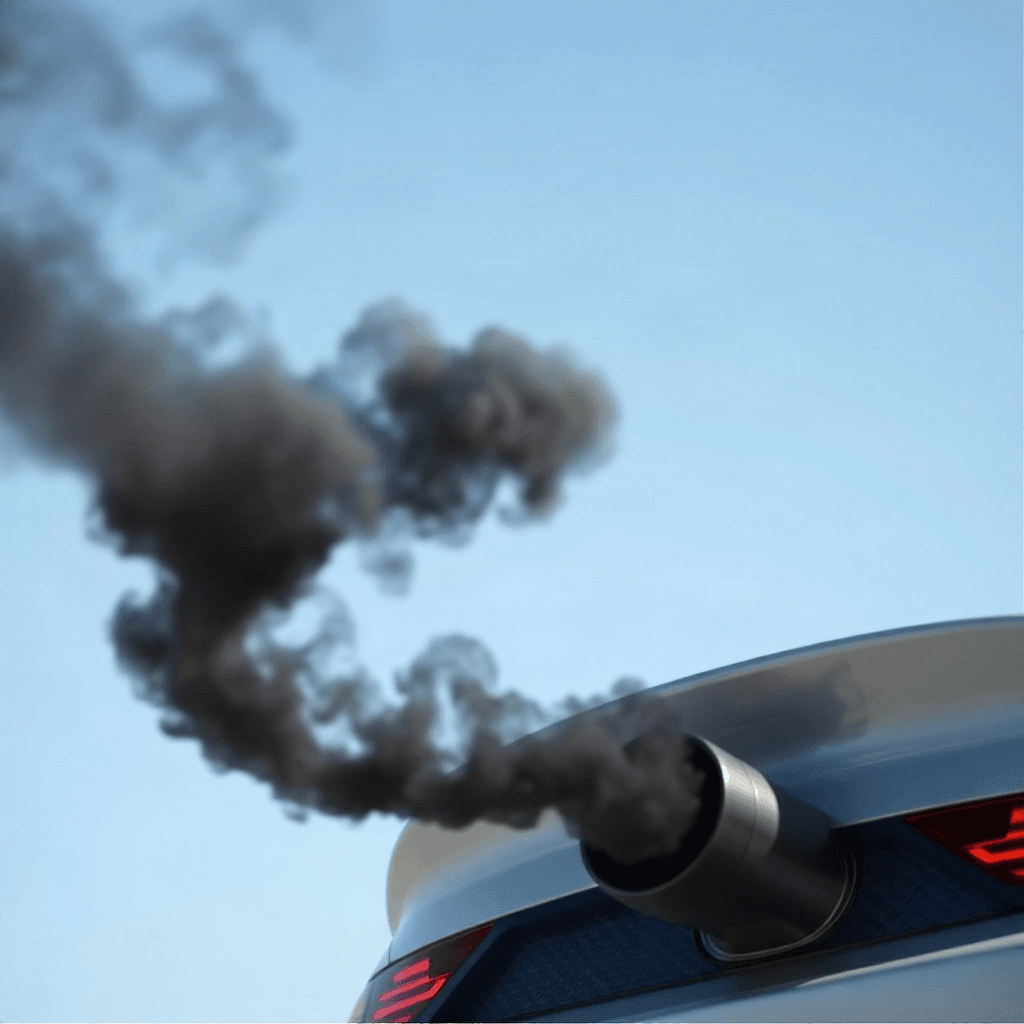
The presence of black smoke emanating from a vehicle’s exhaust is a definitive indicator that something is amiss within the engine’s air-fuel mixture. In the realm of automotive engineering, the balance between air and fuel is critically important for ensuring optimal engine performance and minimizing emissions. When this delicate equilibrium is disrupted, it often results in black smoke, a problem that not only signals inefficiency but also potential damage to engine components. Understanding the causes behind this phenomenon and knowing how to diagnose it are essential skills for any automotive professional. This article delves into the intricacies of black smoke emissions, exploring the underlying causes, diagnostic techniques, and potential remedial actions.
Understanding the Air-Fuel Mixture
The air-fuel mixture is the cornerstone of any internal combustion engine, determining not just its efficiency but also its emission profile. In a perfectly balanced scenario, the air-fuel ratio is maintained at a stoichiometric level, which for gasoline engines is approximately 14.7:1. This means 14.7 parts of air mix with one part of fuel to enable complete combustion. Deviations from this ideal ratio lead to either a rich or lean mixture, both of which can adversely affect engine performance and emissions. A rich air-fuel mixture, characterized by an excess of fuel compared to air, is the primary culprit behind black smoke emissions. This occurs when the fuel does not completely combust, resulting in the expulsion of unburnt carbon particles through the exhaust system.
Common Causes of Rich Mixtures
Various factors can lead to a rich air-fuel mixture, each with its own implications for engine health. A malfunctioning fuel injector is a prevalent cause, as it may deliver more fuel than necessary, disrupting the balance. Similarly, a faulty oxygen sensor can provide erroneous data to the engine’s control unit, leading to an incorrect air-fuel ratio. Another potential issue is a clogged air filter, which restricts airflow into the engine, causing the system to inject more fuel to compensate for the reduced air supply. Additionally, issues such as a broken fuel pressure regulator or a defective mass airflow sensor can also contribute to a rich mixture. Identifying and addressing these components is crucial for restoring the proper air-fuel balance.
Diagnostic Techniques for Black Smoke
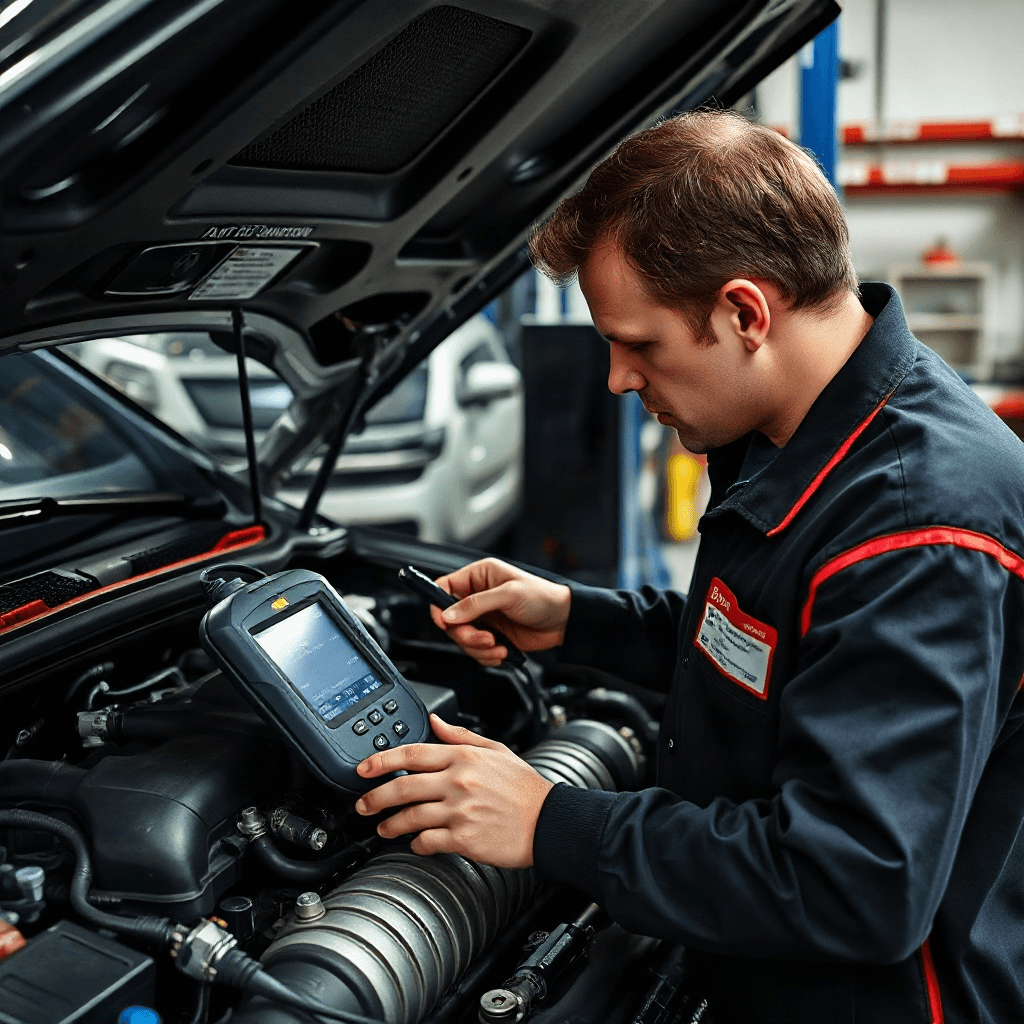
Diagnosing the exact cause of black smoke emissions requires a systematic approach and the right diagnostic tools. A good starting point is an on-board diagnostics (OBD) scanner, which can read error codes from the vehicle’s engine control unit (ECU). These codes often point towards specific components that may be malfunctioning. Conducting a visual inspection of the air intake system and fuel injectors can also provide valuable clues. Checking the condition of the spark plugs is another effective method, as they can reveal whether the engine is running rich or lean. Furthermore, using a smoke machine to detect vacuum leaks in the intake system can identify issues that might affect the air-fuel mixture.
Impact of Black Smoke on Engine Components
Continuous emission of black smoke is not merely an environmental concern but also a sign of potential damage to engine components. Excessive fuel can lead to the accumulation of carbon deposits within the combustion chamber, adversely affecting the engine’s efficiency and longevity. The catalytic converter, responsible for reducing harmful emissions, can also suffer damage due to the increased load from unburnt fuel. Prolonged exposure to such conditions may result in a clogged converter, reducing its effectiveness and potentially leading to costly repairs. Therefore, addressing black smoke emissions promptly is vital for maintaining engine health and avoiding expensive damage.
Preventive Measures and Solutions
Preventing the occurrence of black smoke involves regular maintenance and timely intervention when problems arise. Routine checks of the air filter, fuel injectors, and oxygen sensors are essential to ensure they are functioning correctly. Regularly replacing these components as per the manufacturer’s recommendations can prevent the development of a rich air-fuel mixture. Additionally, using high-quality fuel and adhering to recommended engine oil specifications can help maintain optimal combustion efficiency. In cases where black smoke is already present, a professional diagnostic evaluation is advised to accurately identify and rectify the underlying issue.
The Role of Modern Technology in Emission Control
Modern automotive technology offers advanced solutions for monitoring and controlling emissions, significantly reducing the likelihood of black smoke. The integration of sophisticated engine management systems allows for real-time adjustments to the air-fuel ratio, optimizing combustion and minimizing emissions. Additionally, innovations in sensor technology provide more accurate data to the ECU, enabling it to make precise adjustments. The development of cleaner-burning fuels and more efficient catalytic converters also contributes to lower emissions. By leveraging these technological advancements, the automotive industry can achieve significant reductions in black smoke emissions, promoting both environmental sustainability and engine performance.