B1550 Code: Courtesy Lamp Control Failure
In the world of automotive diagnostics, understanding error codes is crucial for maintaining vehicle performance and safety. One such code that professionals may encounter is the B1550 code, which signals a failure in the courtesy lamp control system. This guide aims to provide an in-depth exploration of the B1550 code, detailing its causes, diagnostic steps, and potential solutions. By the end of this article, readers should have a comprehensive understanding of how to address this issue effectively.
Understanding the B1550 Code
The B1550 code, often related to the courtesy lamp control failure, is a diagnostic trouble code (DTC) found in some vehicles. This code indicates a malfunction in the system responsible for controlling the courtesy lamps, which are typically activated when a vehicle’s door is opened. These lamps provide convenience and safety by illuminating the vehicle’s interior. When a B1550 code is triggered, it usually means there is a disruption in the electrical circuit or a failure of the control module that manages these lamps. Understanding the significance of this code is the first step towards effective troubleshooting.
Common Causes of Courtesy Lamp Control Failure
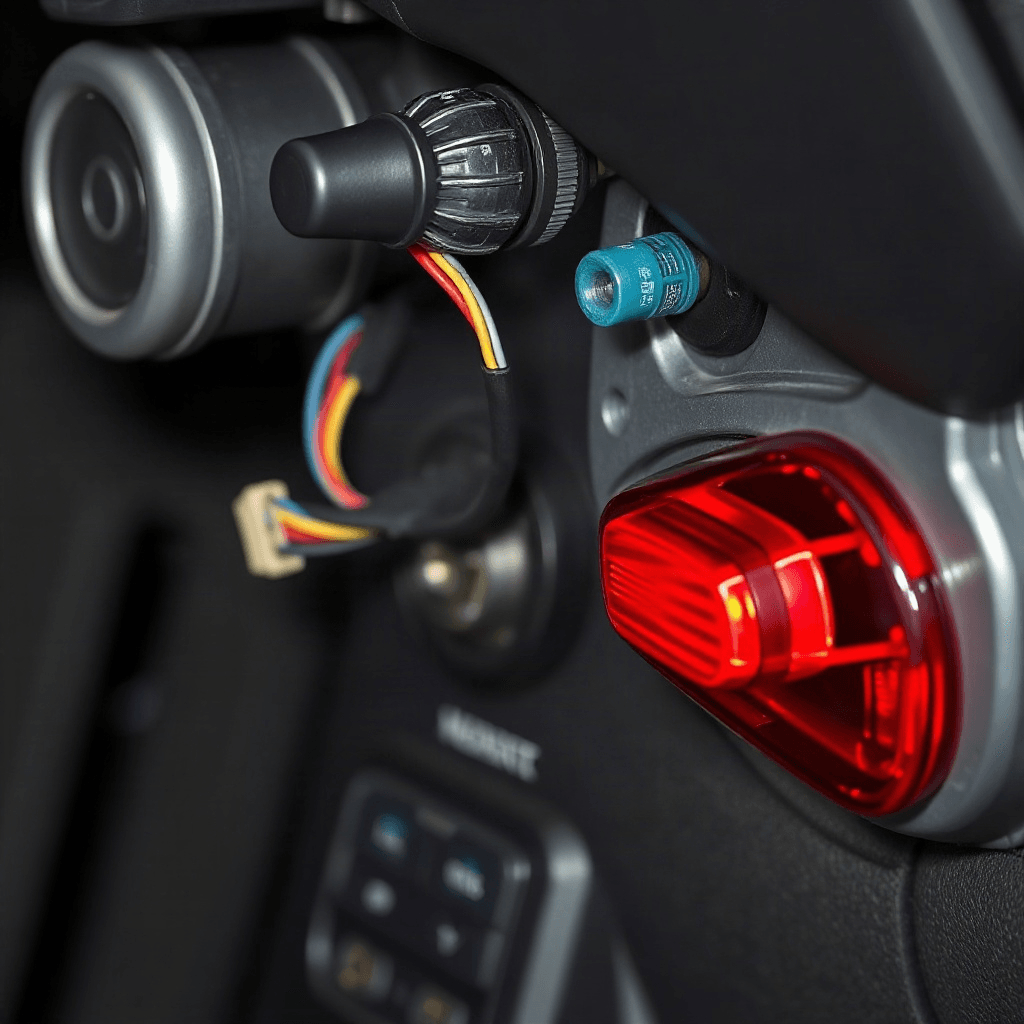
There are several potential causes for a B1550 code, and identifying the right one is crucial for resolving the issue. Common causes include faulty wiring or connectors, which can interrupt the electrical flow to the courtesy lamps. Another possibility is a malfunctioning courtesy lamp control module, which could result from internal component failures or software glitches. Additionally, blown fuses or circuit breakers can also be the culprits, as they disrupt the power supply necessary for the lamps to function. Environmental factors, such as moisture or corrosion, may also play a role in degrading the components over time. Each of these causes requires a specific approach to diagnosis and repair.
Diagnostic Procedures for the B1550 Code
Diagnosing the B1550 code involves a systematic approach to ensure the underlying issue is accurately identified. Technicians typically begin with a visual inspection of the vehicle’s wiring and connectors for signs of damage or corrosion. Using a multimeter, they can test the electrical continuity to confirm whether the wiring is functioning correctly. If the wiring appears intact, attention then shifts to the courtesy lamp control module. This involves checking for software updates or reprogramming needs that may rectify any existing glitches. In addition, testing the fuses and circuit breakers is essential to rule out power supply issues. This diagnostic process requires meticulous attention to detail and a comprehensive understanding of the vehicle’s electrical systems.
Solutions and Repairs for Courtesy Lamp Issues
Once the diagnostic procedures have pinpointed the cause of the B1550 code, the next step is implementing the appropriate solutions. If faulty wiring or connectors are identified, they will need to be repaired or replaced to restore proper electrical flow. For issues with the control module, reprogramming or replacing the module may be necessary, particularly if hardware faults are detected. Blown fuses or circuit breakers must be replaced with new components of the same specification to ensure compatibility and safety. It is crucial that any repairs adhere to the manufacturer’s guidelines to maintain the integrity of the vehicle’s electrical system. In some cases, professional assistance may be required to ensure the repairs are executed correctly.
Preventive Measures and Maintenance Tips
Preventing future occurrences of the B1550 code involves regular maintenance and inspection of the vehicle’s electrical systems. Ensuring that wiring and connectors are free from damage or corrosion can help prevent disruptions in the electrical flow. Regularly checking the courtesy lamp control module for software updates can also avert potential glitches that may trigger error codes. Maintaining a dry and clean environment inside the vehicle can minimize the risk of moisture-induced damage. Additionally, replacing fuses and circuit breakers at the first sign of wear can prevent power supply issues from developing. By adopting these preventive measures, vehicle owners can minimize the likelihood of encountering the B1550 code in the future.
When to Seek Professional Help
While some vehicle owners may feel confident in addressing the B1550 code themselves, there are situations where professional intervention is advisable. If diagnostic procedures do not conclusively identify the cause, or if the repairs require specialized tools and expertise, consulting an automotive professional is recommended. Professionals have access to advanced diagnostic equipment and the technical knowledge necessary to address complex electrical issues. Moreover, they can ensure that all repairs comply with safety standards and manufacturer specifications. Seeking professional help can save time and prevent further complications, ensuring that the courtesy lamp system functions reliably.