Electronic Parking Brake Won’t Release: Safe Manual Release and Diagnosis
The rise of technology in automotive systems has revolutionized how we interact with vehicles, with electronic parking brakes being a prime example. These systems offer convenience and enhanced safety features, but they also present unique challenges when they malfunction. When an electronic parking brake won’t release, it can leave drivers stranded or frustrated. Understanding how to safely perform a manual release and diagnose the problem is crucial for both vehicle owners and automotive professionals. This article delves into the intricacies of electronic parking brake systems and provides a comprehensive guide for addressing common issues.
Understanding Electronic Parking Brakes
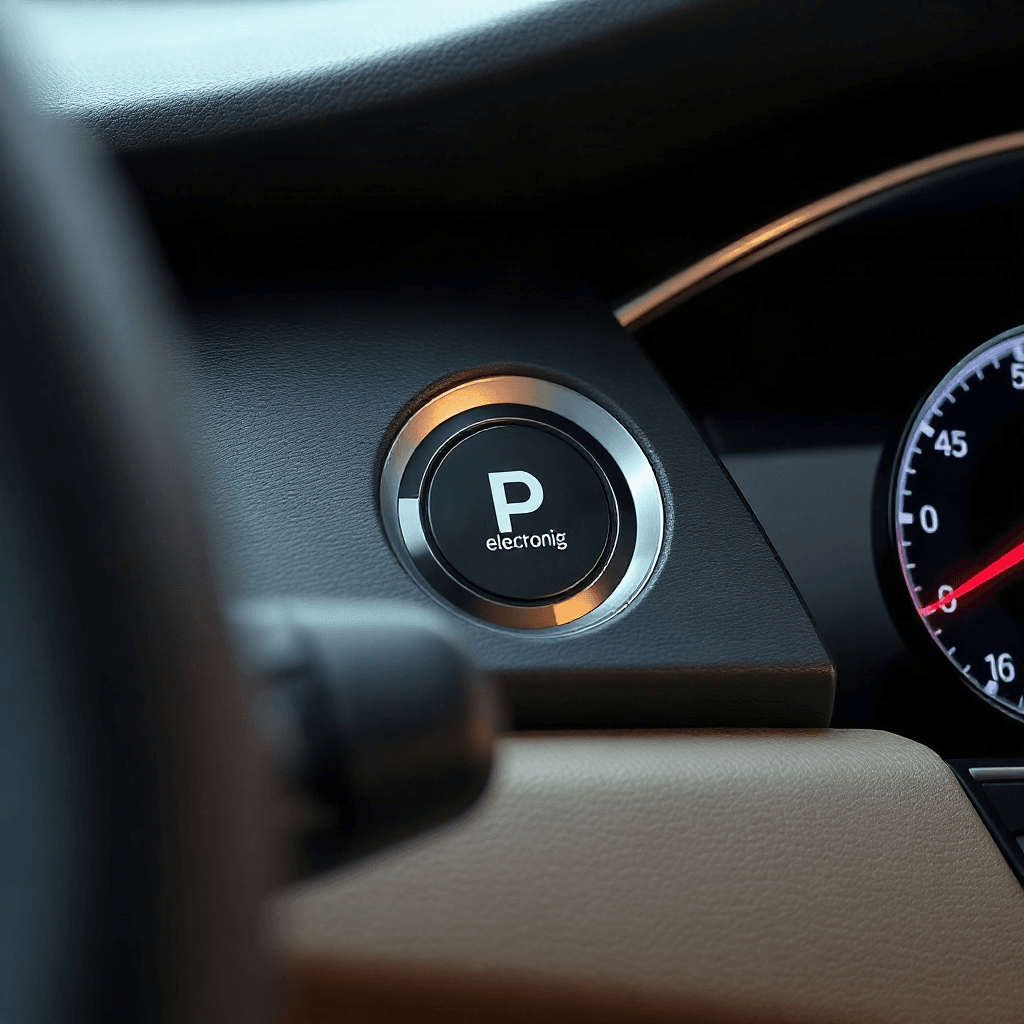
Electronic parking brakes have become increasingly popular in modern vehicles, replacing traditional mechanical handbrakes. The primary advantage of these systems is their ability to engage and disengage the parking brake with the push of a button, often accompanied by advanced safety features such as automatic engagement when the engine is turned off. However, the reliance on electronic components and sensors makes these systems more susceptible to faults. Common issues include failure to release due to a dead battery, damaged wiring, or faulty sensors. Understanding the basic operation of electronic parking brakes can aid in diagnosing problems and implementing effective solutions.
Safe Manual Release Procedures
When an electronic parking brake fails to release, knowing how to perform a safe manual release is essential. Unlike mechanical handbrakes, electronic systems often require a specific procedure to disengage manually. This usually involves accessing the emergency release mechanism, which may be located in the vehicle’s cabin or trunk. It is crucial to consult the vehicle’s owner manual or service guide to locate and operate the manual release correctly. Vehicle owners should be cautious during this process to avoid damage to the braking system or other components. Properly executed, a manual release can allow the vehicle to be moved or taken to a repair facility for further diagnosis.
Common Causes of Electronic Parking Brake Failure
Several factors can lead to the failure of an electronic parking brake to release. One common issue is a depleted battery, which can prevent the electronic components from functioning. Additionally, faulty wiring or connections can disrupt the communication between the brake control module and the brake actuators. Sensor failures, often due to dirt or damage, can also result in the system not recognizing the release command. Understanding these common causes can help vehicle owners and technicians pinpoint the root of the problem, enabling timely and effective repairs. Regular maintenance and inspections can also prevent these issues from arising in the first place.
Diagnosing Electronic Parking Brake Issues
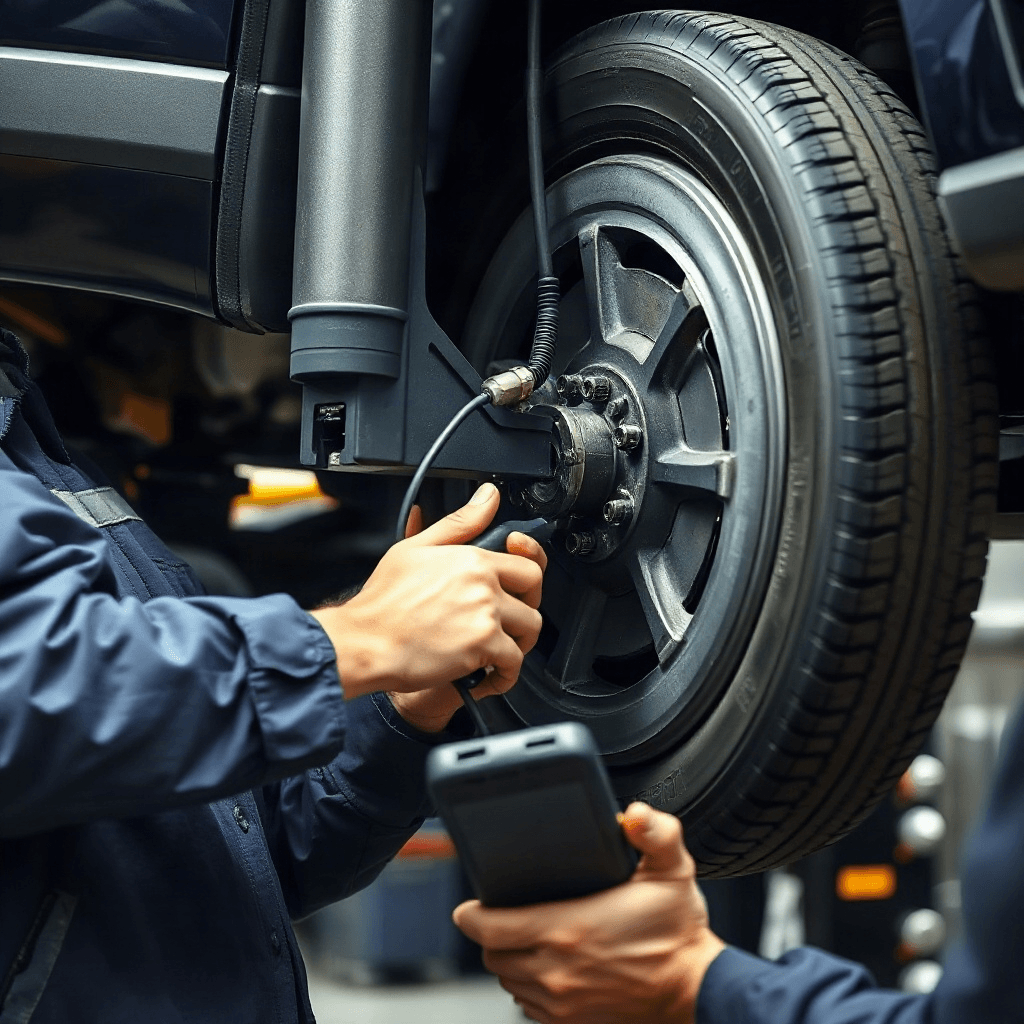
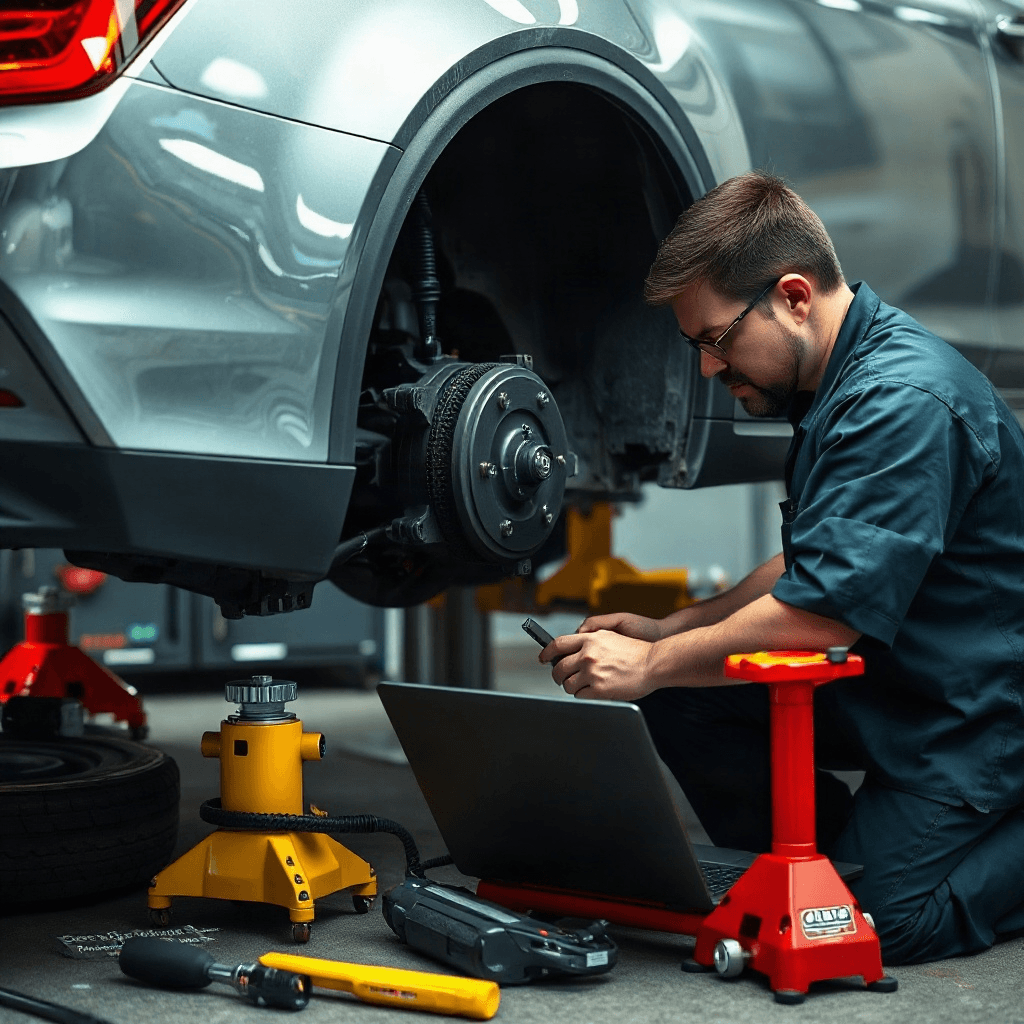
Diagnosing issues with an electronic parking brake requires a systematic approach. The first step is to perform a visual inspection of the system, checking for obvious signs of damage or wear. Using diagnostic tools can help identify error codes stored in the vehicle’s onboard computer, which can provide insights into the specific nature of the problem. Professional mechanics may employ advanced diagnostic equipment to test the functionality of sensors and actuators. Accurate diagnosis is vital for implementing the correct repair strategy and ensuring the long-term reliability of the parking brake system.
Repair and Maintenance Strategies
Once the problem with the electronic parking brake has been identified, appropriate repair and maintenance strategies must be implemented. For minor issues, such as a dead battery or loose connections, simple fixes can restore the system’s functionality. More complex problems, like actuator or sensor failures, may require replacement parts and professional intervention. Regular maintenance, including software updates and inspections of the brake system components, can prevent future malfunctions. Vehicle owners should consider scheduled maintenance as an investment in their vehicle’s safety and performance, reducing the likelihood of unexpected breakdowns.
Future Trends in Parking Brake Technology
As automotive technology continues to evolve, the future of parking brake systems looks promising. Innovations such as regenerative braking and autonomous driving functions are expected to further enhance the capabilities of electronic parking brakes. These advancements could lead to more efficient energy use and improved safety features. However, with increased complexity comes the need for more sophisticated diagnostics and repair skills. Staying informed about future trends in parking brake technology will be essential for professionals in the automotive industry and vehicle owners alike, ensuring they are prepared to handle the next generation of vehicle systems effectively.