How to Fix P0118 Coolant Temperature Sensor Circuit High with Wiring Tests
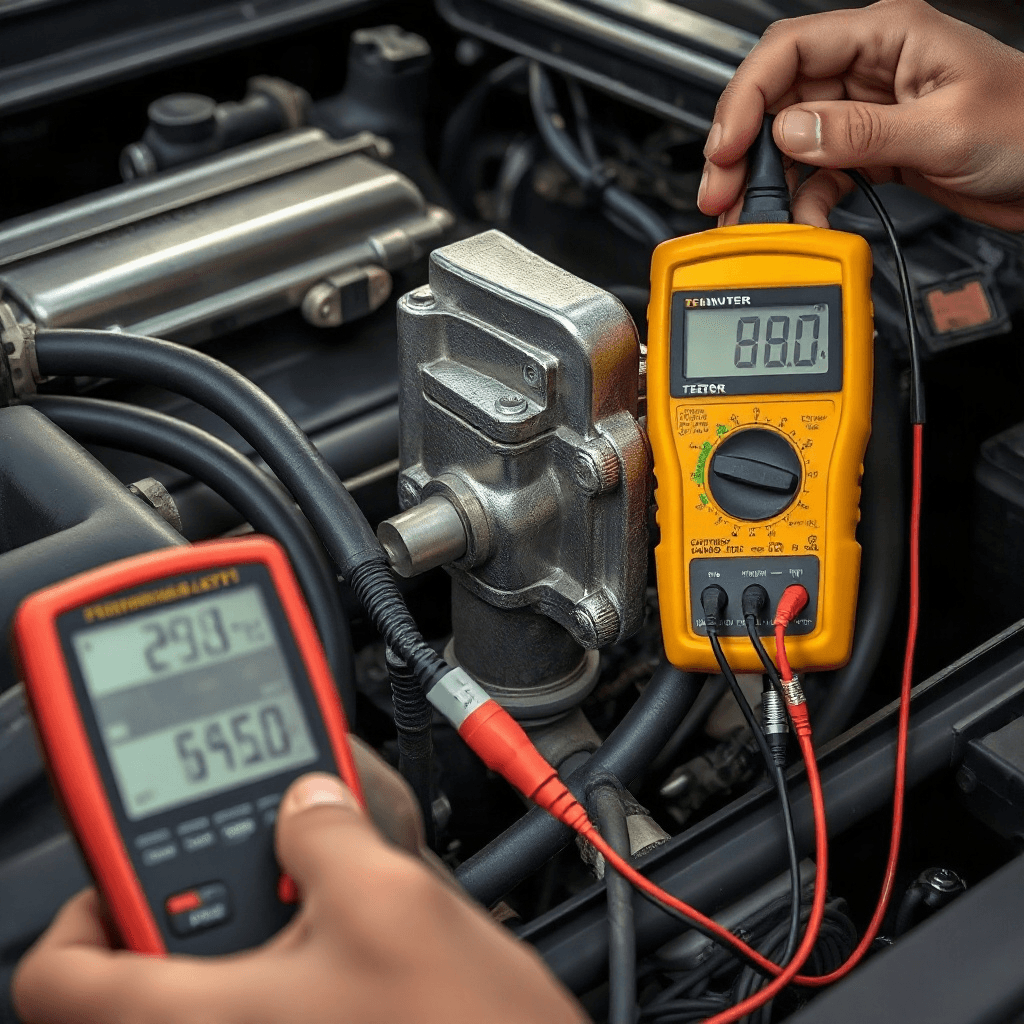
If you’ve ever been confronted with a P0118 code on your vehicle’s diagnostic system, you know it signals an issue with the Coolant Temperature Sensor circuit. This problem can lead to inaccurate temperature readings, causing your engine to run inefficiently or even overheat. In this article, we’ll guide you through the steps to address this issue, focusing on performing wiring tests to identify and fix the problem. Whether you’re a seasoned mechanic or a car enthusiast, understanding how this sensor works and how to troubleshoot it can save you time and money.
Understanding the Coolant Temperature Sensor
The Coolant Temperature Sensor is crucial for optimal engine performance. It monitors the temperature of the engine’s coolant and sends this information to the vehicle’s Engine Control Unit (ECU). The ECU uses this data to adjust the air-fuel mixture and ignition timing, ensuring the engine operates smoothly. When the sensor fails, or the circuit is disrupted, the ECU may receive incorrect data, leading to poor engine performance and increased emissions. Recognizing the symptoms of a faulty sensor, such as engine overheating, poor fuel economy, or the P0118 code, is essential for timely intervention.
Importance of Diagnostic Tools
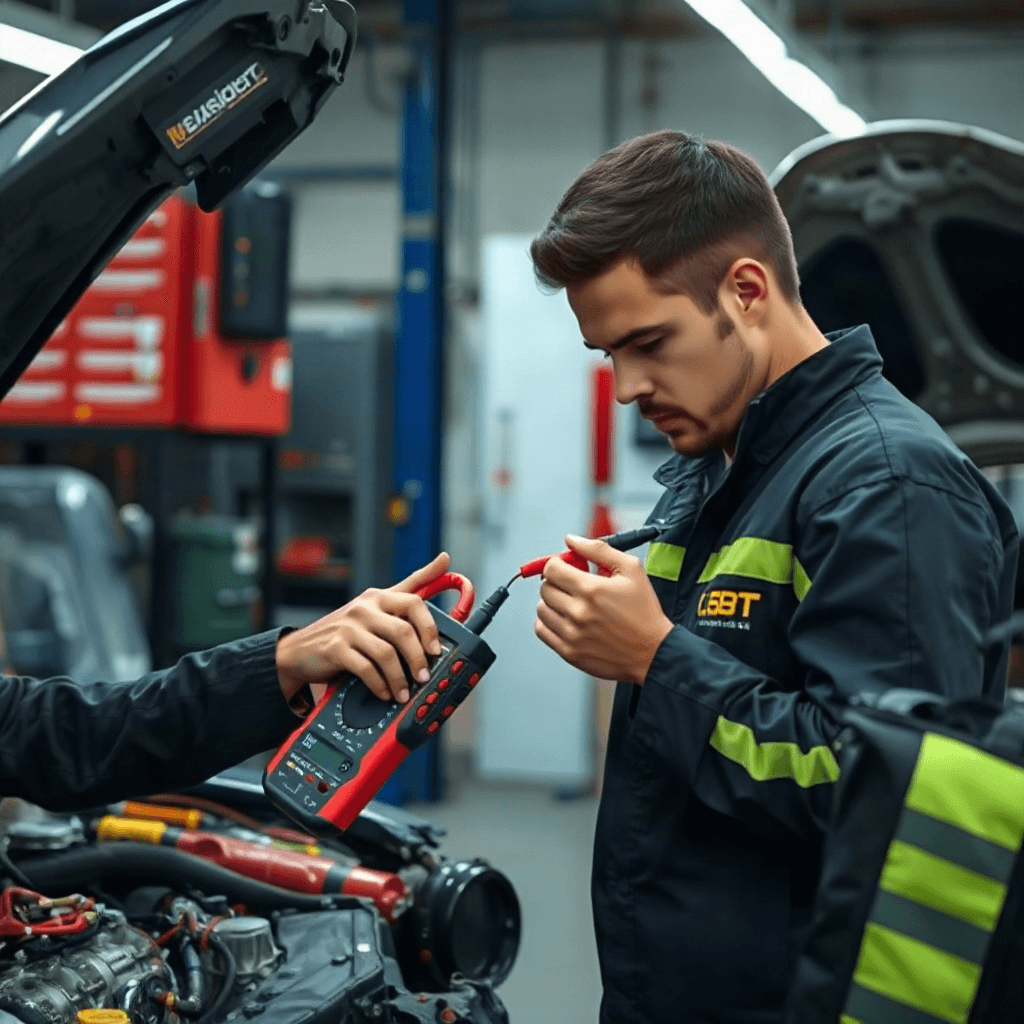
Before diving into wiring tests, it’s crucial to have the right diagnostic tools. An OBD-II scanner is vital for reading and clearing codes from your vehicle’s computer system. This tool allows you to confirm the presence of the P0118 code and check for any additional codes that might indicate related issues. Additionally, a multimeter is essential for testing the sensor’s resistance and voltage levels, helping you identify any electrical faults in the circuit. Having these tools on hand ensures that you can effectively diagnose and resolve the problem without resorting to guesswork.
Conducting a Visual Inspection
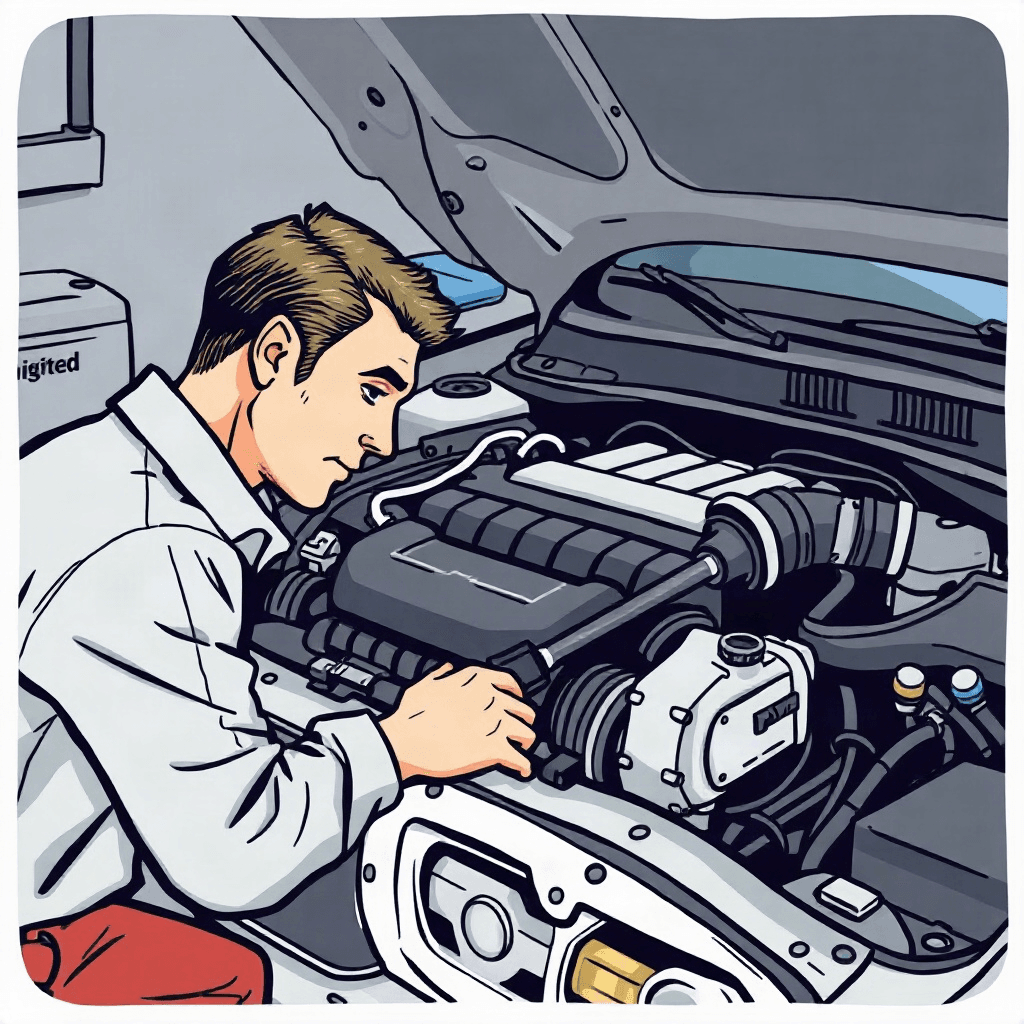
Before performing any electrical tests, start with a thorough visual inspection of the sensor and its wiring. Look for obvious signs of damage, such as frayed wires, disconnected connectors, or corrosion. These issues can lead to poor connectivity, causing the P0118 code. Ensuring the sensor is securely attached and the wiring is intact can often resolve the problem without further intervention. If the visual inspection reveals no issues, proceed to more in-depth electrical testing to pinpoint the fault.
Performing Wiring Tests
To accurately diagnose the issue, you’ll need to perform wiring tests using your multimeter. First, check the sensor’s resistance when the engine is cold and again when it’s hot. Compare these readings to the manufacturer’s specifications. Next, test the voltage at the sensor’s connector with the ignition on. A significant deviation from the expected voltage range could indicate a wiring issue or a faulty sensor. By systematically testing each component of the circuit, you can identify whether the problem lies in the sensor, the wiring, or the ECU.
Replacing or Repairing the Sensor
Once you’ve identified the source of the problem, you’ll need to decide whether to replace or repair the sensor or its wiring. If the sensor is faulty, replacing it is usually straightforward and cost-effective. However, if the issue lies with the wiring, you may need to repair or replace damaged wires or connectors. Ensure that any repairs are done to a high standard, as poor-quality repairs can lead to recurring issues. Always use components that meet or exceed the manufacturer’s specifications to ensure reliability and safety.
Preventive Measures and Maintenance
After resolving the P0118 code, it’s important to implement preventive measures to avoid future issues. Regularly inspecting and maintaining your vehicle’s sensors and wiring can prevent problems from arising. Keeping your engine’s cooling system in good condition helps reduce stress on the Coolant Temperature Sensor, prolonging its lifespan. Additionally, periodically scanning your vehicle for fault codes can help catch minor issues before they escalate into significant problems. By taking these steps, you can ensure that your vehicle remains in peak condition, providing reliable performance for years to come.