Engine Hesitates When Accelerating: How to Find the Cause
Experiencing hesitation when accelerating can be both frustrating and potentially dangerous for drivers. Understanding the underlying causes of this issue is essential for maintaining vehicle performance and safety. This article aims to explore the possible reasons for engine hesitation and provide guidance on diagnosing and addressing this common automotive issue. By delving into the mechanics of acceleration and the factors that can disrupt this process, car owners can take informed steps towards resolving engine hesitation and ensuring a smoother driving experience.
Understanding Engine Hesitation
Engine hesitation occurs when there is a noticeable delay or lack of response when the accelerator pedal is pressed. This can happen due to a variety of reasons, ranging from minor issues to more serious mechanical problems. At its core, engine hesitation is often a result of an imbalance in the air-fuel mixture or an interruption in the ignition process. When the engine does not receive the right mixture of air and fuel, or if the spark is not delivered at the right time, it can lead to a sluggish response. Diagnosing the root cause requires a methodical approach, considering various potential factors that could be disrupting the engine’s normal functioning.
Common Causes of Hesitation
There are several common causes of engine hesitation that drivers should be aware of. A clogged air filter, for example, can restrict airflow to the engine, resulting in a rich or lean air-fuel mixture that causes hesitation. Similarly, a malfunctioning fuel pump may fail to deliver the necessary amount of fuel, leading to performance issues. Faulty spark plugs or ignition coils can also disrupt the ignition process, preventing the engine from firing properly. Additionally, a dirty throttle body or a failing oxygen sensor can interfere with engine performance by providing incorrect data to the engine control unit (ECU). Understanding these potential causes is the first step towards effective troubleshooting and repair.
Diagnosing the Issue
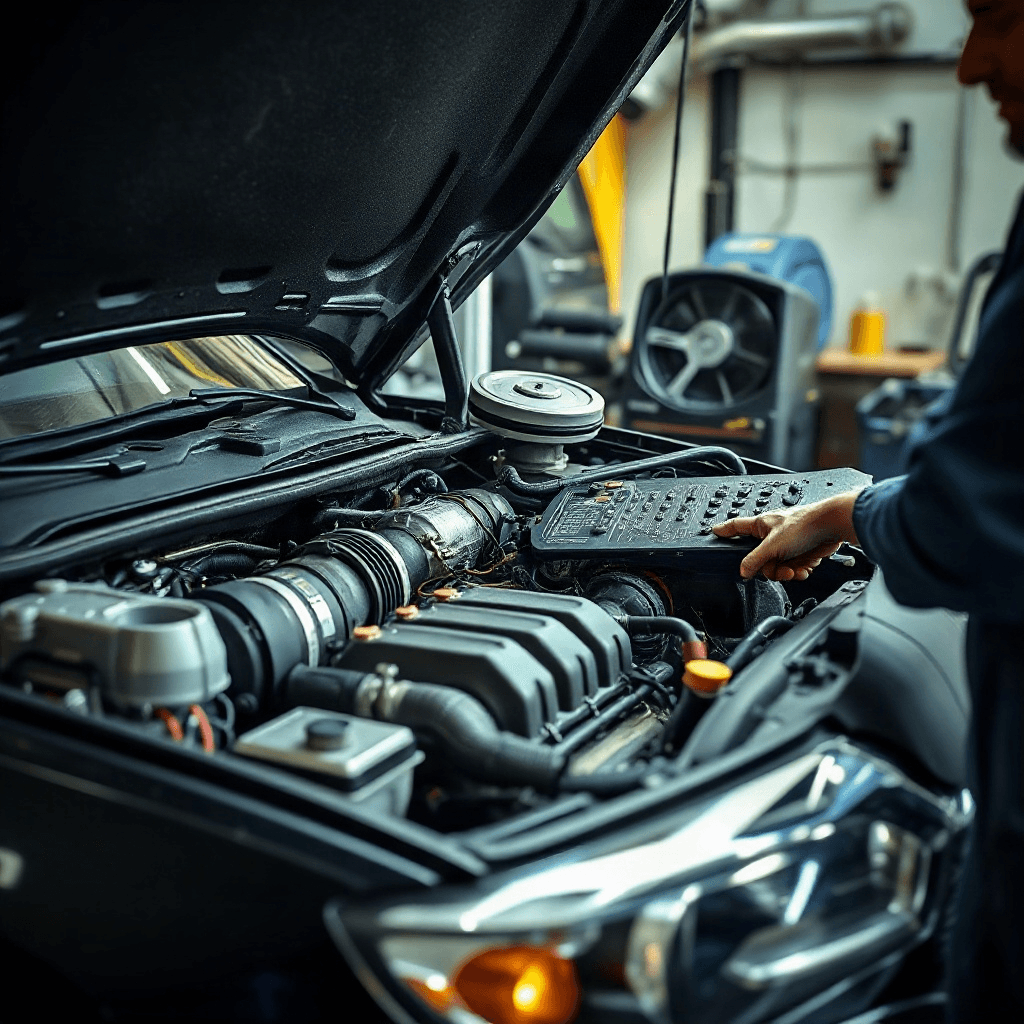
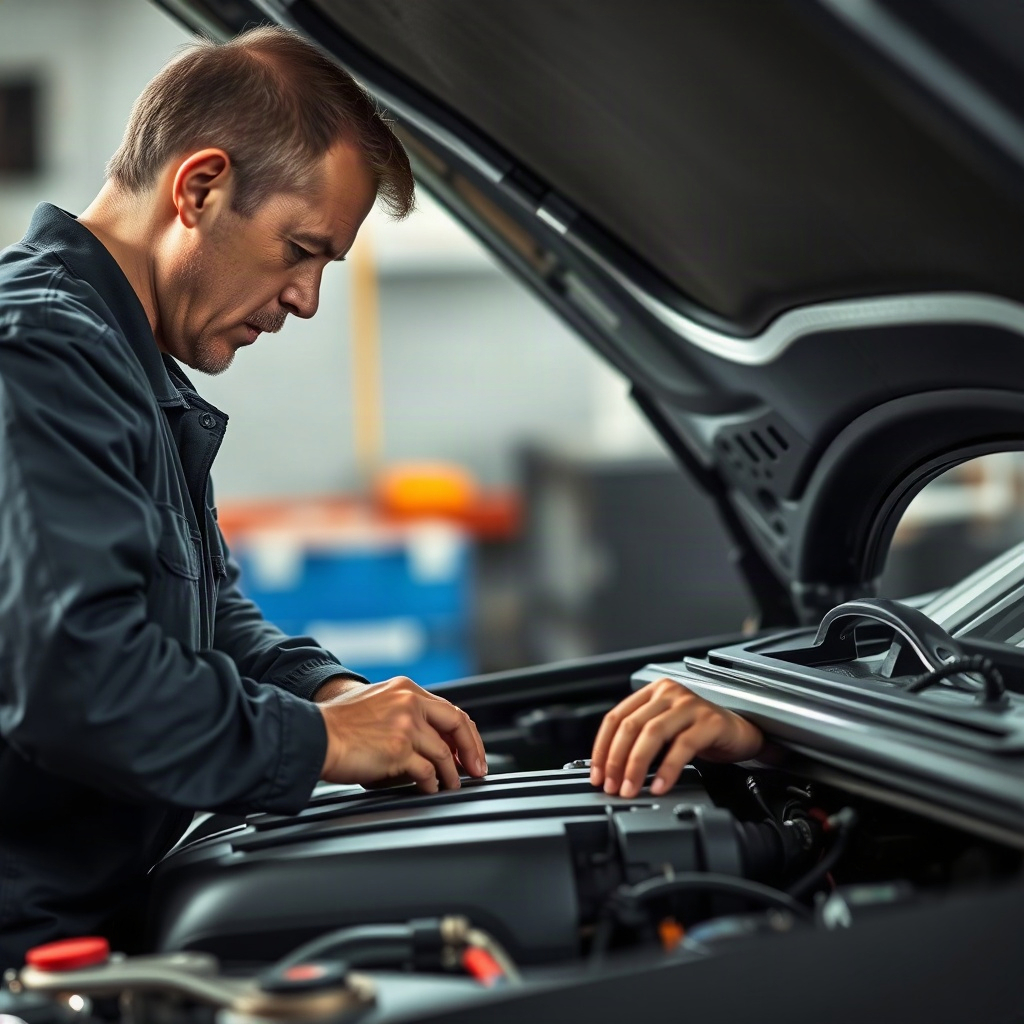
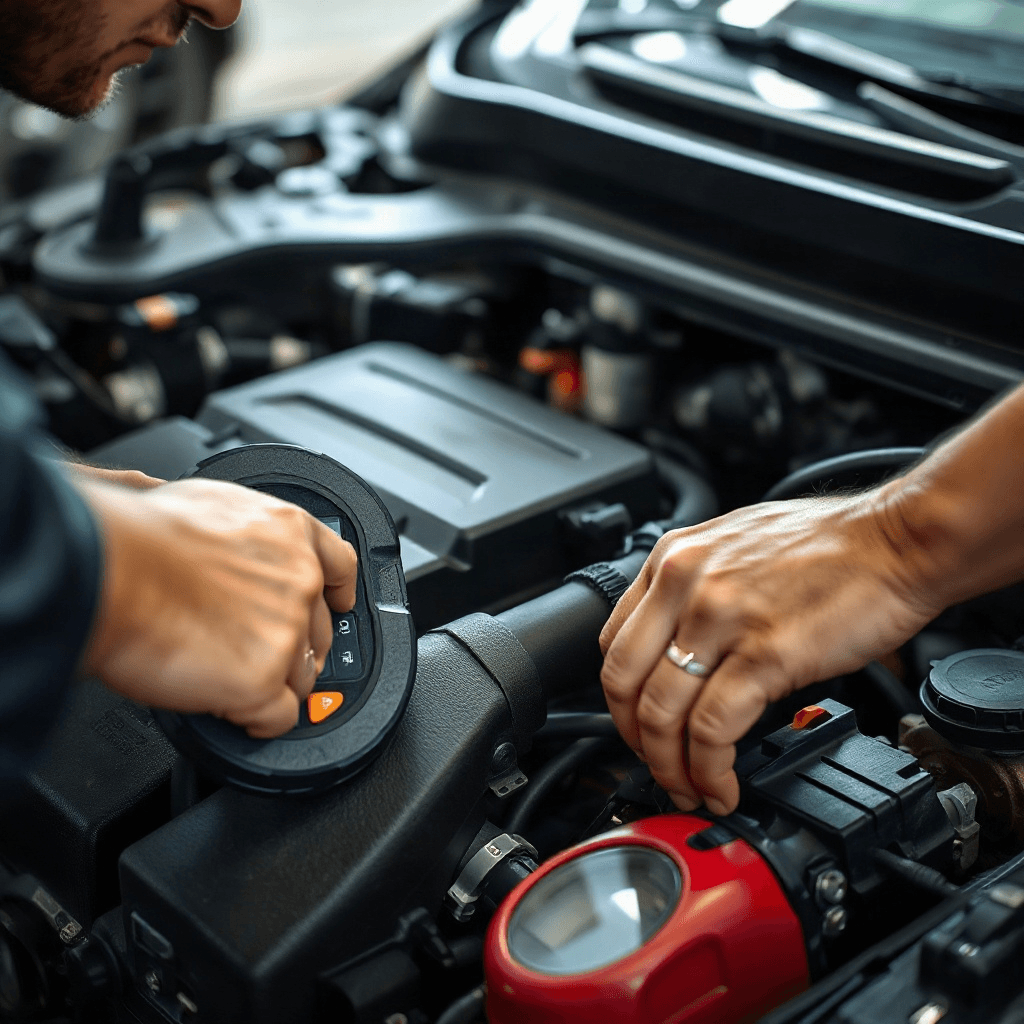
Diagnosing engine hesitation requires a systematic approach, starting with the simplest and most common issues. Begin by inspecting the air filter and replacing it if necessary. Check the condition of the spark plugs and ignition coils, as these are often the culprits behind ignition-related problems. Use an OBD-II scanner to check for any error codes that may point to malfunctioning sensors, such as the mass airflow sensor or oxygen sensor. If the issue persists, a professional mechanic may need to perform more in-depth diagnostics, such as testing fuel pressure or examining the throttle body for carbon buildup. By following a structured diagnostic process, car owners can narrow down the potential causes and address the issue effectively.
Importance of Regular Maintenance
Regular maintenance plays a crucial role in preventing engine hesitation and other performance issues. Routine checks and timely replacements of components like air filters, spark plugs, and fuel filters can help maintain optimal engine performance. Regular maintenance also involves keeping the engine clean and free of carbon deposits, which can impede the flow of air and fuel. By adhering to the manufacturer’s recommended maintenance schedule, car owners can reduce the likelihood of experiencing engine hesitation and prolong the life of their vehicle. Preventive measures not only save money on repairs but also enhance driving safety and reliability.
When to Seek Professional Help
While some cases of engine hesitation can be resolved with basic maintenance and troubleshooting, others may require professional intervention. If the problem persists despite initial efforts, or if the vehicle exhibits additional symptoms such as stalling, rough idling, or a decrease in fuel efficiency, it may be time to consult a qualified mechanic. A professional can conduct comprehensive diagnostics using specialized equipment, ensuring that all potential issues are identified and addressed. When dealing with complex engine problems, professional expertise is invaluable in preventing further damage and ensuring safe vehicle operation.
Conclusion and Final Thoughts
Engine hesitation is a common issue that can arise from various factors, each affecting the vehicle’s performance in different ways. By understanding the potential causes and adopting a systematic approach to diagnosis and maintenance, car owners can address this problem effectively. Regular maintenance and timely intervention are key to preventing and resolving engine hesitation, ensuring optimal performance and safety on the road. For those uncertain about the cause or unable to resolve the issue independently, seeking professional assistance is always a wise choice. Ultimately, a proactive approach to vehicle care can prevent engine hesitation and contribute to a smoother, more reliable driving experience.