Chrysler P0304: Cylinder 4 Misfire Checks for Ignition, Fuel, and Compression
The P0304 error code in Chrysler vehicles indicates a misfire in cylinder 4. This issue can be a significant concern for vehicle owners, as it may lead to increased emissions, reduced fuel efficiency, and even potential damage to the engine if left unresolved. In this article, we will delve into the various checks and diagnostics related to ignition, fuel, and compression that are essential for addressing this problem. By examining each component meticulously, we aim to equip you with the knowledge needed to effectively troubleshoot and resolve the P0304 error code.
Understanding the P0304 Error Code
The P0304 error code is specific to a misfire detected in the fourth cylinder of your Chrysler’s engine. A misfire occurs when the combustion process within the cylinder is incomplete or fails entirely. This can result from a variety of factors, including issues with the ignition system, fuel delivery, or cylinder compression. The engine control module (ECM) monitors the performance of each cylinder and triggers the P0304 code when it detects irregularities in cylinder 4. Recognizing and understanding this error code is the first step in diagnosing and rectifying the issue effectively.
Ignition System Diagnostics
The ignition system plays a crucial role in ensuring proper combustion within the engine cylinders. For cylinder 4, a misfire could be caused by a faulty spark plug, ignition coil, or wiring issues. To diagnose the ignition system, we need to inspect the spark plug for signs of wear or damage, such as carbon buildup or a worn electrode. Replacing a faulty spark plug is often a simple yet effective remedy. Additionally, testing the ignition coil with a multimeter can determine if it’s delivering the necessary voltage. If there are wiring issues, such as corroded or loose connections, addressing these promptly is essential to restore proper ignition function.
Fuel System Evaluation
Fuel-related problems can also lead to a misfire in cylinder 4. Issues such as a clogged fuel injector, low fuel pressure, or a malfunctioning fuel pump can disrupt the fuel delivery process. We should begin by checking the fuel injector for clogs or leaks. Cleaning or replacing the injector may resolve the problem. It’s also important to test the fuel pressure using a gauge to ensure it meets the manufacturer’s specifications. If the pressure is low, it could indicate a failing fuel pump or a clogged fuel filter. Addressing these issues will ensure that cylinder 4 receives the optimal amount of fuel for combustion.
Cylinder Compression Testing
Compression within the cylinder is vital for maintaining engine performance. Low compression in cylinder 4 can lead to a misfire and trigger the P0304 error code. To test cylinder compression, we use a compression gauge to measure the pressure within the cylinder while the engine is cranked. This will help us identify any leaks from the piston rings, valves, or head gasket. If the compression is below the recommended level, it may be necessary to perform repairs such as replacing worn piston rings or reseating the valves to restore proper compression and eliminate the misfire.
Advanced Diagnostics and Tools
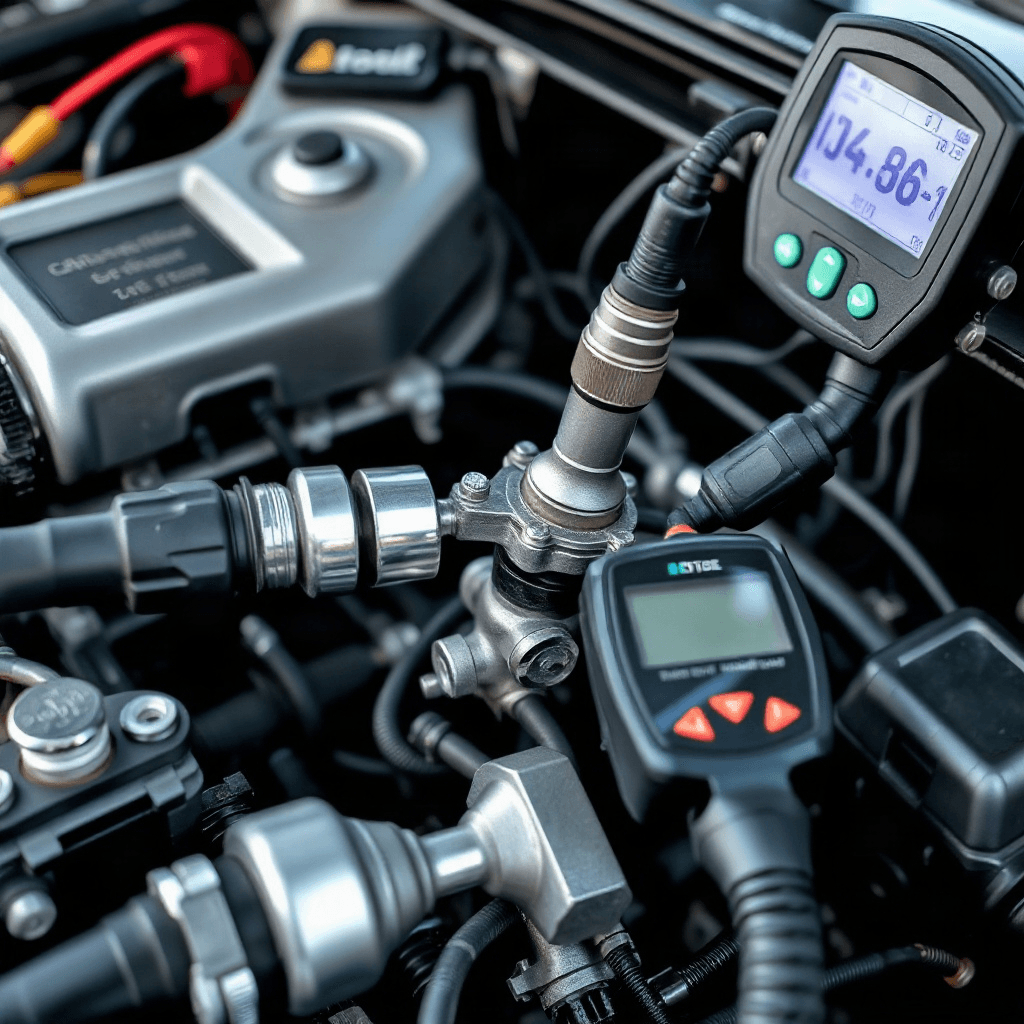
While the above checks cover the primary causes of a cylinder 4 misfire, advanced diagnostics may be necessary for more complex issues. Utilizing diagnostic tools such as an OBD-II scanner can help us read and clear trouble codes, as well as monitor real-time engine data. This can provide valuable insights into the engine’s performance and assist in pinpointing the root cause of the misfire. Additionally, conducting a smoke test can reveal any vacuum leaks that could be affecting the air-fuel mixture. By employing these advanced diagnostic techniques, we can ensure a thorough evaluation and accurate diagnosis of the P0304 error code.
Conclusion and Preventive Measures
Addressing the P0304 error code requires a systematic approach to diagnosing ignition, fuel, and compression-related issues. By thoroughly inspecting each component and using diagnostic tools effectively, we can identify and resolve the root cause of the misfire in cylinder 4. To prevent future occurrences, regular maintenance such as replacing spark plugs, fuel filters, and conducting routine inspections is crucial. Staying proactive in maintaining the engine’s health will not only help avoid misfires but also ensure optimal engine performance and longevity. For more detailed information on maintaining your Chrysler vehicle, consider exploring our [comprehensive guides on engine maintenance].