What Is a Permanent OBD-II Code, and Why Won’t It Clear?

In the world of automotive diagnostics, understanding the nuances of various diagnostic codes is crucial. One particular subject that often baffles even seasoned enthusiasts is the concept of permanent OBD-II codes. These codes, as their name implies, are not easily dismissed and can persist despite attempts to clear them. Through this article, I aim to unravel the mystery behind permanent OBD-II codes, explaining their significance and why they might stubbornly remain.
Understanding Permanent OBD-II Codes
Permanent OBD-II codes are a category of diagnostic trouble codes (DTCs) that are stored in a vehicle’s onboard computer system. Unlike temporary or pending codes that can be cleared with a simple scan tool reset, permanent codes are designed to remain until the fault that triggered them is resolved and verified by the system. The primary purpose of these codes is to ensure that emission-related faults are properly addressed, thereby reducing environmental impact. As a diagnostic specialist, it’s important to recognize that these codes are part of a broader strategy to maintain vehicle efficiency and compliance with environmental regulations.
The Role of Vehicle Emission Systems
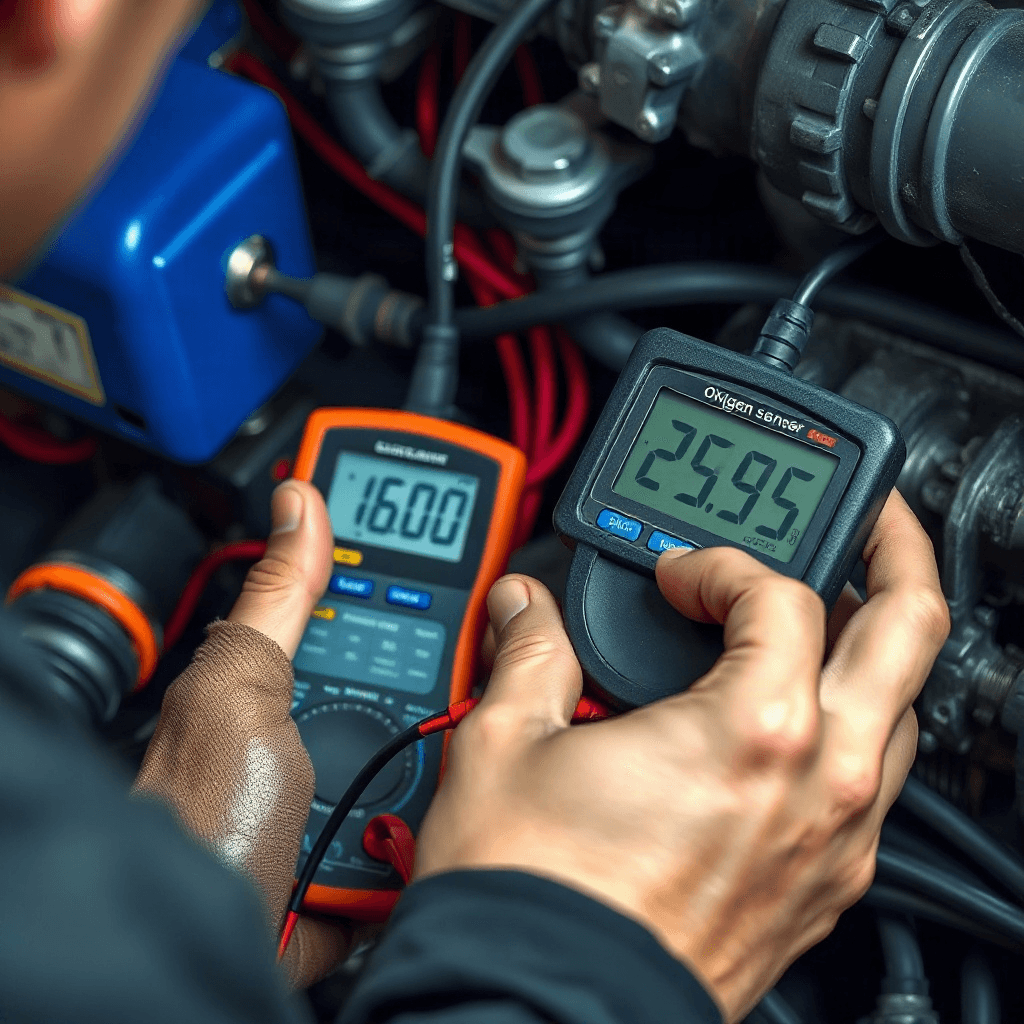
The importance of emission systems in modern vehicles cannot be overstated. Emission systems are responsible for reducing harmful pollutants emitted by vehicles, and they play a pivotal role in safeguarding our environment. Permanent OBD-II codes are intrinsically linked to these systems, as they are typically triggered by issues that could affect vehicle emissions. For instance, a malfunctioning catalytic converter or oxygen sensor is likely to set a permanent code. Thus, these codes act as a safeguard, ensuring that such critical components are repaired before the vehicle is deemed environmentally compliant.
Why Permanent Codes Wont Clear
One of the most common frustrations faced by vehicle owners and technicians alike is the persistence of permanent codes. Even after a repair is made, these codes do not vanish instantly. The underlying reason for this is that the vehicle’s onboard diagnostics system requires verification that the issue has truly been resolved. This often involves a series of drive cycles, during which the vehicle monitors the repaired system to confirm its functionality. The process might seem tedious, but it is essential in guaranteeing that the fault does not recur, thus maintaining the integrity of the vehicle’s emission controls.
The Process of Clearing Permanent Codes
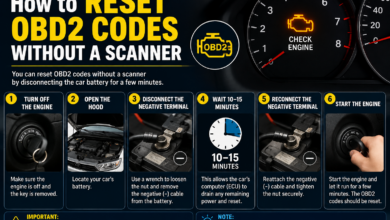
Clearing permanent codes is not just a matter of using a diagnostic tool to erase them. Instead, it involves a methodical approach that requires both patience and precision. Once the necessary repairs have been carried out, the vehicle must undergo a series of driving conditions to satisfy the onboard diagnostics system. During these drive cycles, specific criteria need to be met to ensure that the repaired system is operating correctly. Only after these conditions are fulfilled will the permanent code be cleared. This process underscores the importance of comprehensive vehicle diagnostics and repair practices.
The Impact on Vehicle Inspection and Maintenance
Permanent OBD-II codes have significant implications for vehicle inspection and maintenance. Since they are primarily tied to emission-related issues, they play a critical role in determining whether a vehicle passes or fails an emissions test. In many jurisdictions, a vehicle with unresolved permanent codes will not pass inspection, barring it from legal road use. This reinforces the necessity for vehicle owners to address these codes promptly and thoroughly, ensuring their vehicle is both environmentally sound and legally compliant.
Advances in Diagnostic Technology
As technology evolves, so too does the field of vehicle diagnostics. Modern diagnostic tools are increasingly sophisticated, offering enhanced capabilities to identify and resolve issues associated with permanent OBD-II codes. These advancements provide technicians with more accurate data and more efficient methods for verifying repairs. In the future, we can expect further innovations that will streamline the process of diagnosing and clearing permanent codes, making it easier for both professionals and vehicle owners to maintain optimal vehicle performance.
In conclusion, permanent OBD-II codes serve a critical function in upholding environmental standards and vehicle integrity. While their persistence can be frustrating, understanding their role and the process for clearing them is essential for effective vehicle maintenance. For those interested in learning more about vehicle diagnostics, I recommend exploring [related diagnostic techniques] to deepen your understanding of this vital field.