ABS Warning Only in Wet Weather: Finding Moisture-Related Faults
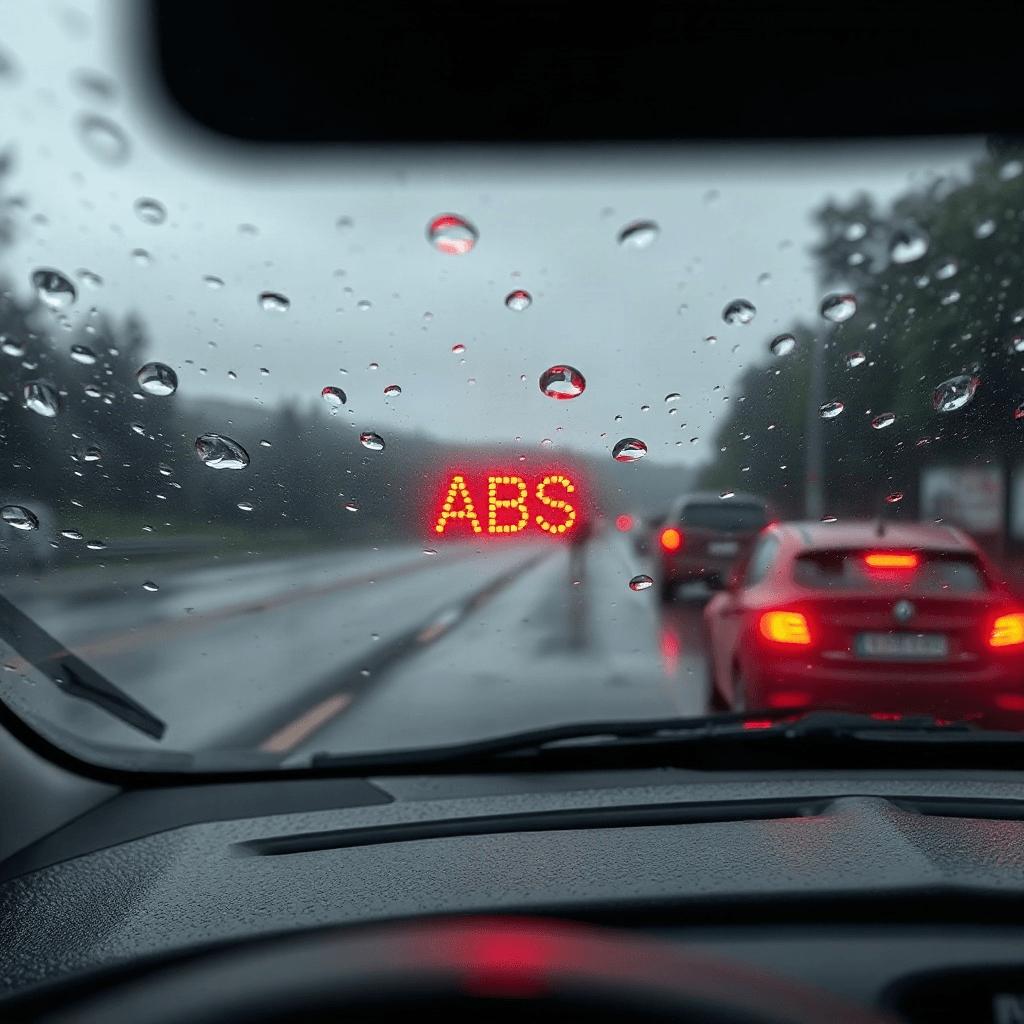
Modern vehicles are equipped with advanced safety features designed to protect drivers and passengers under various road conditions. Among these features, the Anti-lock Braking System (ABS) is particularly vital for maintaining vehicle control during braking. However, some drivers have reported that their ABS warning lights illuminate only in wet weather, indicating potential moisture-related faults. Understanding the intricacies of this issue is crucial for both car owners and mechanics, as it can affect vehicle safety and performance significantly. In this article, we delve into the possible causes, diagnostic approaches, and solutions for moisture-related ABS faults, providing valuable insights for maintaining automotive safety.
Understanding ABS and Its Importance
The Anti-lock Braking System (ABS) is a critical automotive technology designed to prevent wheel lock-up during braking, especially in slippery conditions. By allowing the wheels to maintain tractive contact with the road surface, ABS plays a pivotal role in reducing braking distance and enhancing vehicle stability. This system works by monitoring wheel speed through sensors and modulating brake pressure accordingly. However, when the ABS warning light illuminates, it signals a potential issue within the system. Understanding the importance of ABS in ensuring a vehicle’s safety underscores the need to address any warning lights promptly, particularly when they appear under specific conditions such as wet weather.
The Impact of Moisture on ABS Functionality
Moisture can significantly impact the functionality of automotive systems, including ABS. When vehicles operate in wet weather, water can infiltrate various components, potentially leading to electrical faults. In the case of ABS, moisture may find its way into wheel speed sensors, wiring harnesses, or connectors. This can result in erroneous readings or intermittent connectivity, triggering the ABS warning light. It’s essential to recognize that while ABS is designed to operate under diverse conditions, persistent moisture intrusion can compromise its reliability. Thus, understanding how moisture interacts with ABS components is key to diagnosing and resolving these issues effectively.
Diagnosing Moisture-Related ABS Issues
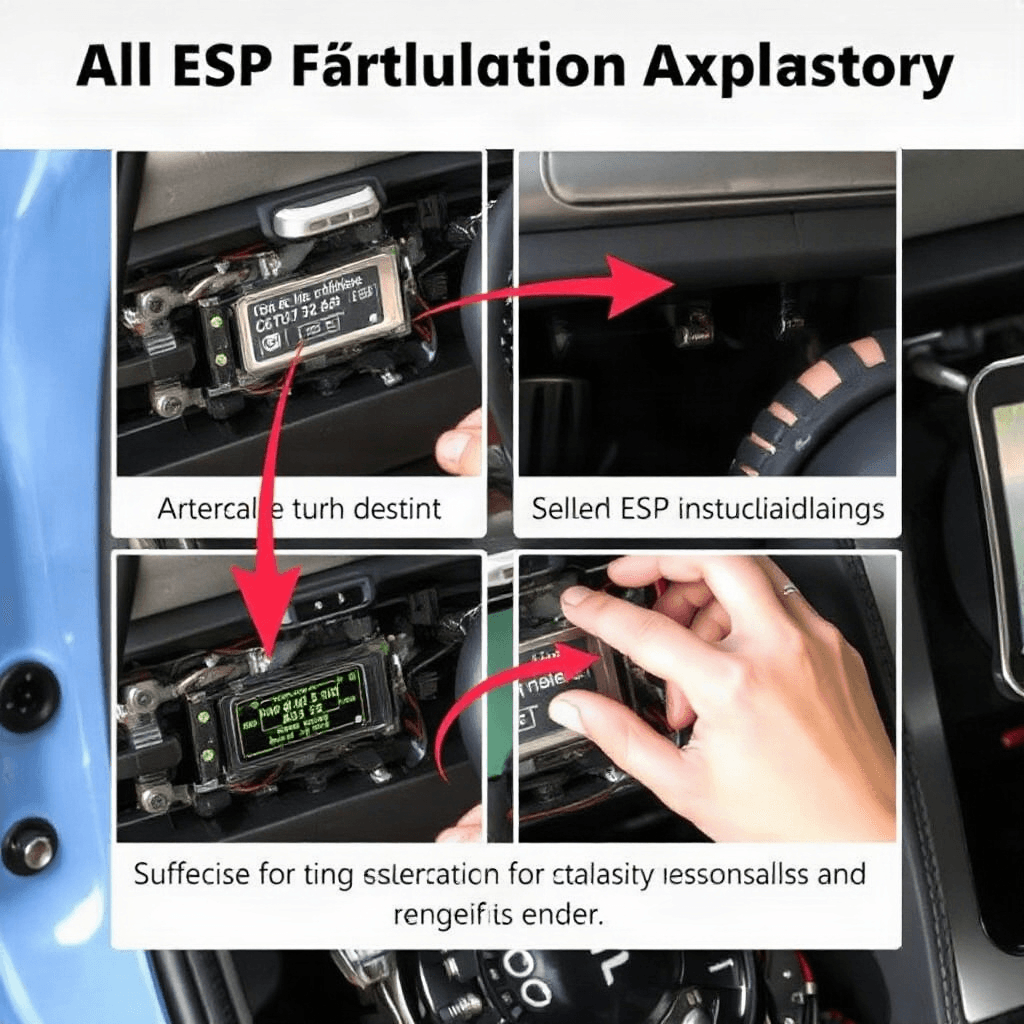
Diagnosing moisture-related ABS issues requires a methodical approach. Technicians often begin by examining the vehicle’s diagnostic trouble codes (DTCs) using specialized scan tools. These codes provide insights into the specific components affected by moisture intrusion. A thorough visual inspection of wheel speed sensors, wiring, and connectors is also necessary to identify any signs of corrosion or damage. Additionally, simulating wet conditions in a controlled environment can help pinpoint the exact cause of the issue. By combining diagnostic tools with a detailed inspection, mechanics can accurately identify moisture-related faults within the ABS system and recommend appropriate solutions.
Addressing and Resolving ABS Faults
Once the source of the moisture-related ABS fault is identified, addressing and resolving the issue becomes the priority. This may involve cleaning and securing connections, replacing damaged sensors, or repairing wiring harnesses. Implementing protective measures, such as using dielectric grease or installing weather-sealed connectors, can prevent future moisture intrusion. Regular maintenance and inspections also play a vital role in ensuring the long-term reliability of the ABS system. Car owners should be proactive in addressing ABS warning lights, especially those that appear under specific conditions, to maintain optimal vehicle safety.
Preventative Measures for ABS Maintenance
Preventative maintenance is key to avoiding moisture-related ABS faults. Car owners should routinely inspect their vehicles for any signs of wear or damage, particularly in components exposed to the elements. Ensuring that wheel speed sensors and connectors are clean and free from corrosion can prevent moisture-related issues. Additionally, parking vehicles in covered areas during adverse weather and avoiding driving through deep water can minimize moisture exposure. By adhering to these preventative measures, car owners can reduce the likelihood of experiencing ABS problems and maintain the integrity of their braking system.
The Role of Technology in Enhancing ABS Systems
Advancements in automotive technology continue to enhance the capabilities of ABS systems. Modern vehicles are equipped with more sophisticated sensors and diagnostic tools that can detect and address moisture-related faults more efficiently. Innovations such as sealed sensor housings and advanced water-resistant materials are designed to withstand harsh weather conditions, reducing the risk of moisture intrusion. As technology evolves, the integration of artificial intelligence and machine learning into vehicle systems may provide even more precise diagnostics and predictive maintenance capabilities. These technological advancements underscore the commitment of the automotive industry to improving vehicle safety and reliability.
In conclusion, moisture-related ABS faults present a unique challenge for drivers and mechanics alike. Understanding the impact of moisture on ABS functionality, combined with effective diagnostic and preventative measures, is essential for maintaining vehicle safety. By staying informed about the latest technological advancements and adhering to regular maintenance practices, car owners can ensure their ABS systems function optimally, regardless of weather conditions.