Throttle Response Is Delayed: Pedal, Throttle, and Airflow Symptoms
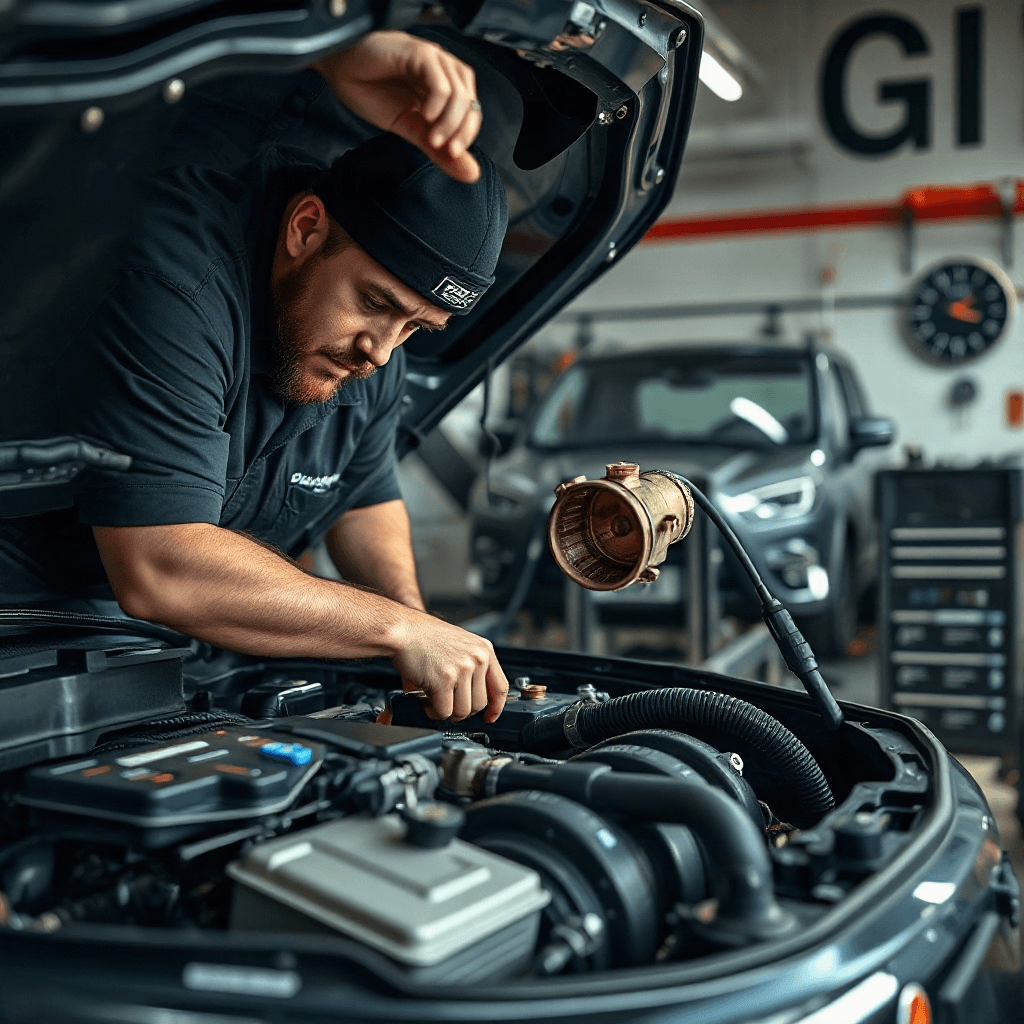
Analyzing the complexities of throttle response can unveil a myriad of potential problems that drivers may encounter. Understanding the symptoms related to pedal, throttle, and airflow can help pinpoint the underlying issues, leading to more efficient diagnostics and repairs. Whether you’re a seasoned automotive professional or a car enthusiast, grasping these concepts is crucial for maintaining vehicle performance. The throttle response is a vital aspect of driving dynamics, affecting how quickly a vehicle reacts to accelerator inputs. Delays in this response can lead to a less than optimal driving experience, potentially affecting safety and efficiency. As we delve into the intricacies of throttle response issues, we will explore the various symptoms and their implications.
Understanding Throttle Response Delays
Throttle response delay is a term that describes the lag between pressing the accelerator pedal and the engine’s reaction. This delay can be caused by several factors, including electronic throttle control systems that are prevalent in modern vehicles. These systems, while highly efficient and designed for precision, can sometimes introduce latency due to their reliance on electronic signals rather than direct mechanical linkages. This latency can be exacerbated by software glitches, sensor malfunctions, or even poor calibration. Additionally, environmental factors such as temperature and altitude can also influence throttle response, as they affect air density and engine performance. Understanding these variables is crucial for diagnosing and addressing throttle response delays effectively.
Pedal Sensitivity and Its Role
The accelerator pedal’s sensitivity plays a significant role in throttle response. Modern vehicles often feature drive-by-wire systems, where the pedal is connected to the throttle body via electronic sensors rather than mechanical cables. These sensors translate pedal movement into electrical signals, which determine how much the throttle opens. A malfunctioning pedal sensor can result in erratic throttle response, causing either delays or unintended acceleration. Furthermore, the calibration of these sensors is critical; improper settings can lead to a sluggish or overly aggressive throttle response. Regular maintenance and periodic recalibration are essential to ensure the pedal operates within its intended parameters, providing a responsive and predictable driving experience.
Throttle Body and Its Impact
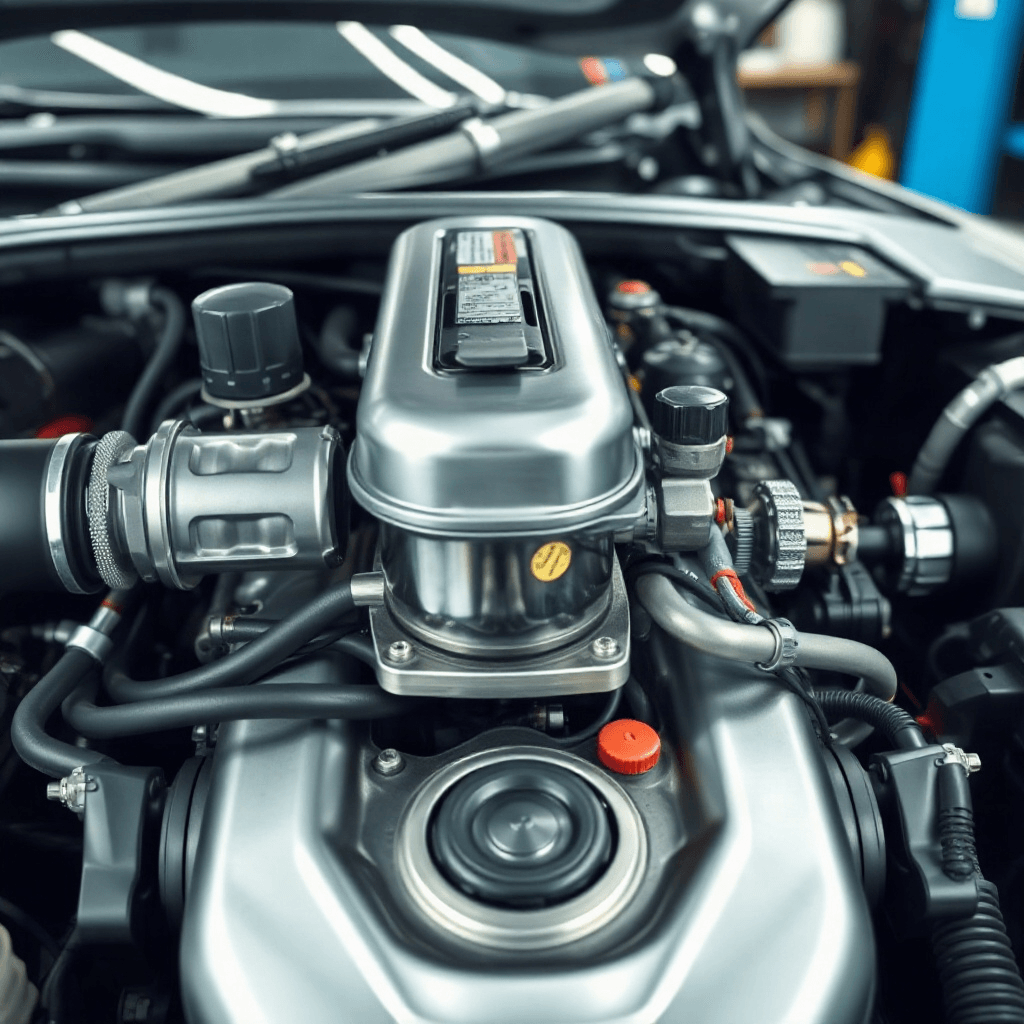
The throttle body is a key component in controlling engine air intake, directly affecting throttle response. When the throttle plate fails to open or close as intended, it can lead to delayed engine reactions. Common issues include carbon buildup, which can restrict airflow and impede throttle movement. Additionally, electronic throttle bodies equipped with position sensors and actuators can suffer from electrical faults, further complicating the response time. Regular cleaning and inspection of the throttle body are necessary to prevent these issues. Replacing faulty components and ensuring proper electronic connections can restore optimal functionality, thus improving throttle response.
Airflow Dynamics and Their Influence
Airflow into the engine is a critical factor in throttle response. The mass airflow sensor (MAF) and manifold absolute pressure sensor (MAP) are vital in measuring the air entering the engine and adjusting fuel delivery accordingly. If these sensors provide incorrect data, the engine’s air-to-fuel ratio can become imbalanced, leading to hesitation or surging. Blockages in the air intake system, such as clogged air filters, can also restrict airflow, resulting in a sluggish throttle reaction. Ensuring unobstructed airflow and precise sensor readings are paramount for maintaining a responsive throttle. Regular inspections and timely replacements of air filters and sensors can prevent airflow-related delays.
Diagnosing Throttle Response Issues
Diagnosing throttle response issues requires a systematic approach, often starting with a thorough inspection of the vehicle’s electronic control systems. Utilizing diagnostic tools to read error codes can help identify specific sensor or actuator faults. Observing the vehicle’s behavior under various driving conditions can also provide clues about potential issues. For instance, if delays occur primarily during engine start-up or at specific speeds, it may indicate a temperature-sensitive component failure. Collaborating with a skilled technician who understands the intricacies of throttle systems can facilitate accurate diagnosis and efficient resolution of any throttle response problems.
Solutions and Maintenance Practices
Addressing throttle response delays often involves a combination of cleaning, repairing, and recalibrating critical components. Routine maintenance, such as cleaning the throttle body and replacing air filters, is essential for optimal performance. Updating vehicle software and recalibrating sensors can resolve many electronic-related delays. For persistent issues, consulting with a professional mechanic to inspect the wiring and electronic systems is advisable. Implementing these practices not only enhances throttle response but also contributes to overall vehicle efficiency and longevity. By staying proactive in maintenance efforts, drivers can ensure a smoother, more responsive driving experience.