Ford P0500: Verify a Vehicle-Speed-Sensor Code Before Replacing Parts

If you’ve ever encountered the Ford P0500 error code, you know it signals an issue with the vehicle-speed-sensor (VSS). However, before you rush to replace any parts, it’s essential to dive deeper into diagnosing the real problem. This approach not only saves you from unnecessary expenses but also ensures that your vehicle’s performance remains optimal. In this article, we’ll walk through the nuances of understanding and verifying the P0500 code.
Understanding the Ford P0500 Code
To start, understanding the fundamentals of the Ford P0500 code is crucial. The P0500 error code is a generic powertrain code related to the VSS, which plays an integral role in vehicle dynamics. This sensor informs the onboard computer of the vehicle’s speed, enabling various systems like the speedometer and cruise control to function correctly. When this code appears, it means that the VSS is not providing reliable data to the computer. But take a step back before jumping to conclusions. Remember, this code could be triggered by anything from a faulty sensor, damaged wiring, or even a malfunctioning computer system. Therefore, a thorough diagnostic process is necessary for accurately identifying the root cause.
Investigating the Symptoms
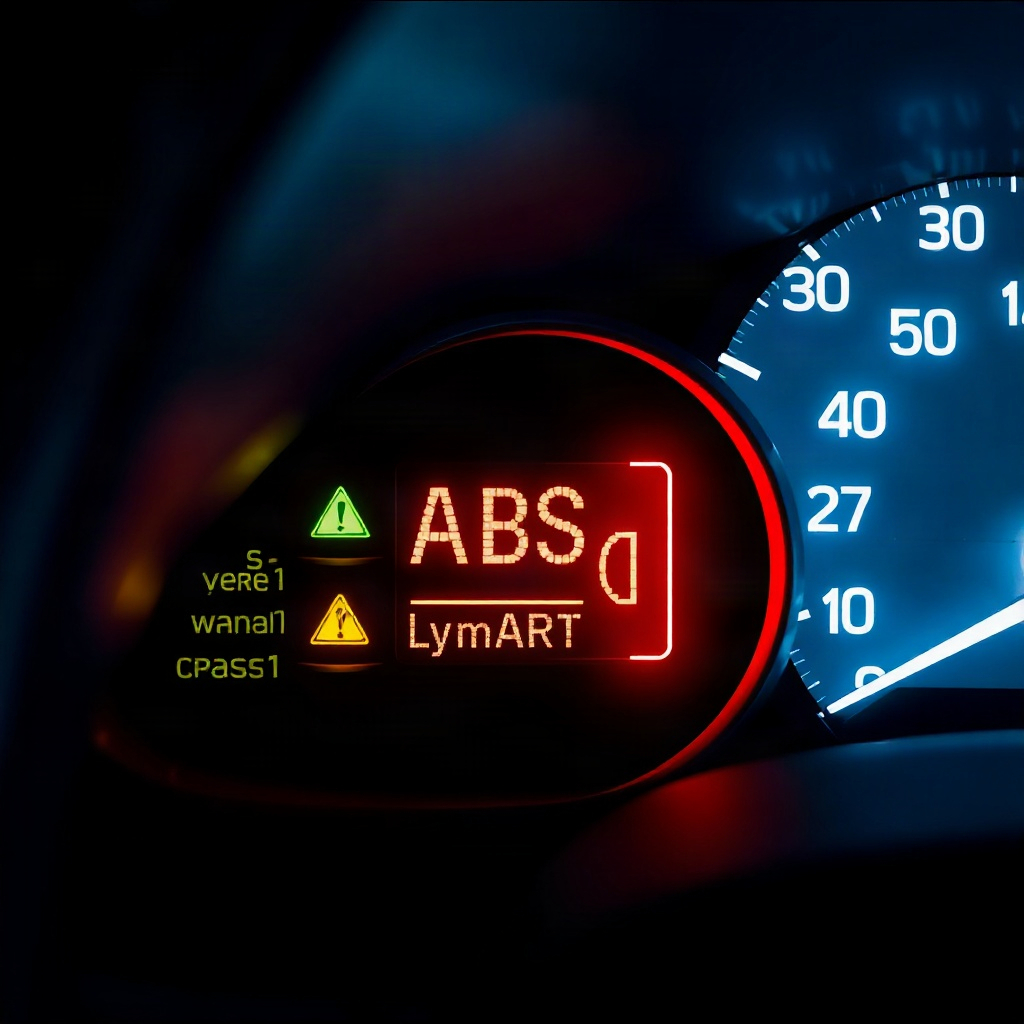
Once you’ve been alerted to the P0500 code, it’s time to investigate the symptoms associated with it. Common signs include an erratic or non-functional speedometer, issues with cruise control, and even an illuminated check engine light. These symptoms can vary and may overlap with other potential issues, making diagnosis challenging. It’s crucial to note that these indicators don’t always confirm a VSS failure. For instance, wiring issues or connectivity problems can mimic similar symptoms. As such, your diagnostic journey must include more than just reading the error code; it requires a comprehensive understanding of how your vehicle’s systems interact.
Utilizing Diagnostic Tools
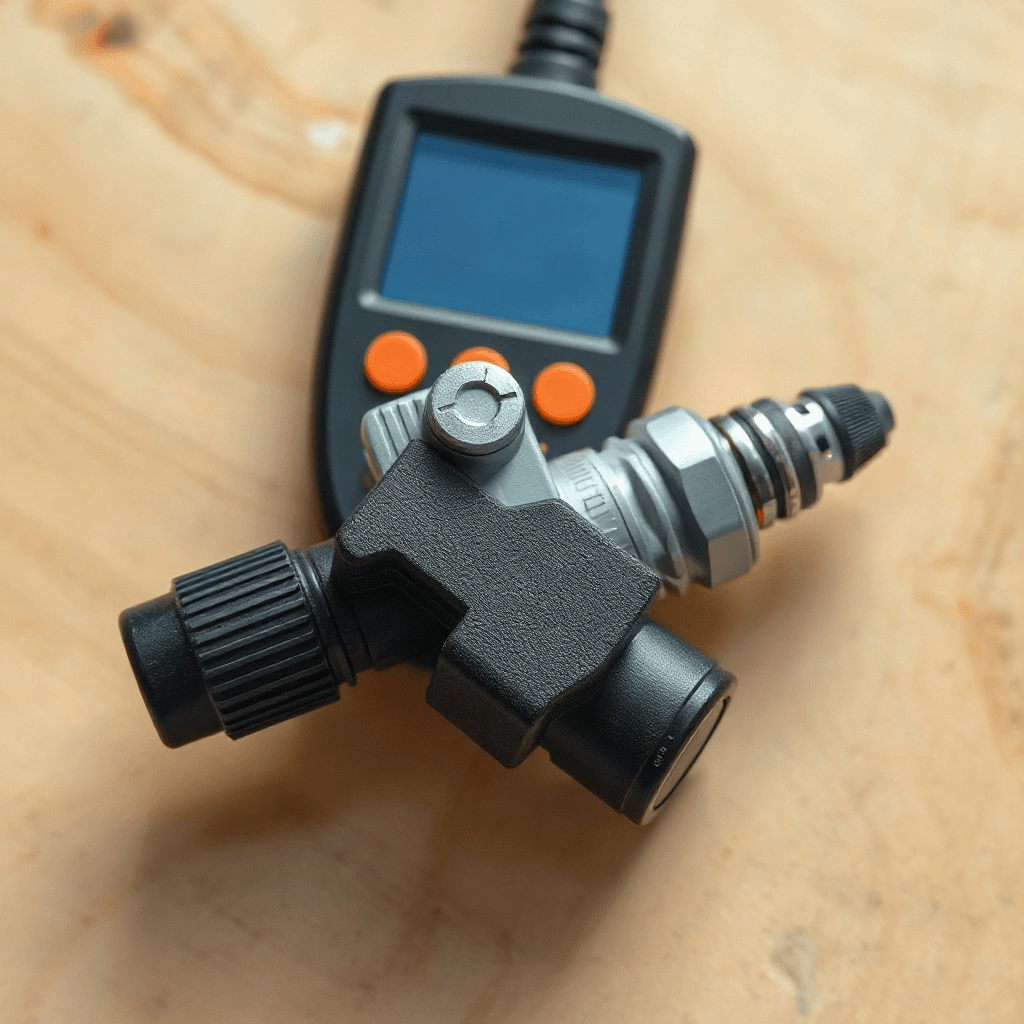
The use of diagnostic tools is instrumental in verifying the P0500 code. These tools range from basic OBD-II scanners to more advanced devices capable of reading live data streams and specific manufacturer codes. With these tools, you can monitor the VSS output in real-time, providing a more precise understanding of the issue. Additionally, these devices can help identify whether the error is a one-off glitch or a persistent problem. When using these tools, ensure you’re familiar with their functions and interpret the data correctly. Misreading the output can lead to unnecessary part replacements, increasing costs without solving the issue.
Inspecting Physical Components
After utilizing diagnostic tools, a physical inspection of the VSS and its related components is the next logical step. Start by examining the sensor and its wiring for any visible signs of damage, corrosion, or wear. Often, issues like broken wires or poor connections are the culprits behind the P0500 code. If everything appears intact, check the sensor’s mounting position. A misaligned sensor can lead to inaccurate readings. It’s also worth inspecting the vehicle’s speedometer and related dashboard components, as these can sometimes contribute to the problem. Remember, the goal is to eliminate potential causes systematically, ensuring that the true issue is addressed.
Considering Environmental Factors
Environmental factors can also influence the performance of the VSS. Conditions such as extreme temperatures, moisture, and dirt can affect sensor functionality. For instance, excessive heat can cause sensor components to expand, leading to temporary malfunctions. Similarly, dirt and debris can interfere with sensor readings. During your inspection, consider these elements and how they might impact the sensor’s operation. By doing so, you’re not only addressing the current issue but also preventing future occurrences. This proactive approach is key in maintaining vehicle reliability.
Making Informed Decisions
Finally, making informed decisions based on the collected data is crucial. Once you’ve conducted a comprehensive investigation, it’s time to decide on the necessary actions. If the VSS or any related components are indeed faulty, replacement may be the best option. However, if the issue lies in wiring or connectivity, resolving these might be sufficient. Always weigh the costs and benefits of each decision, considering the long-term implications for your vehicle’s health. By approaching the P0500 code with a methodical mindset, you’re ensuring that your vehicle remains in peak condition while avoiding unnecessary repairs.