What a Vehicle Gateway Module Does and How It Routes Network Messages
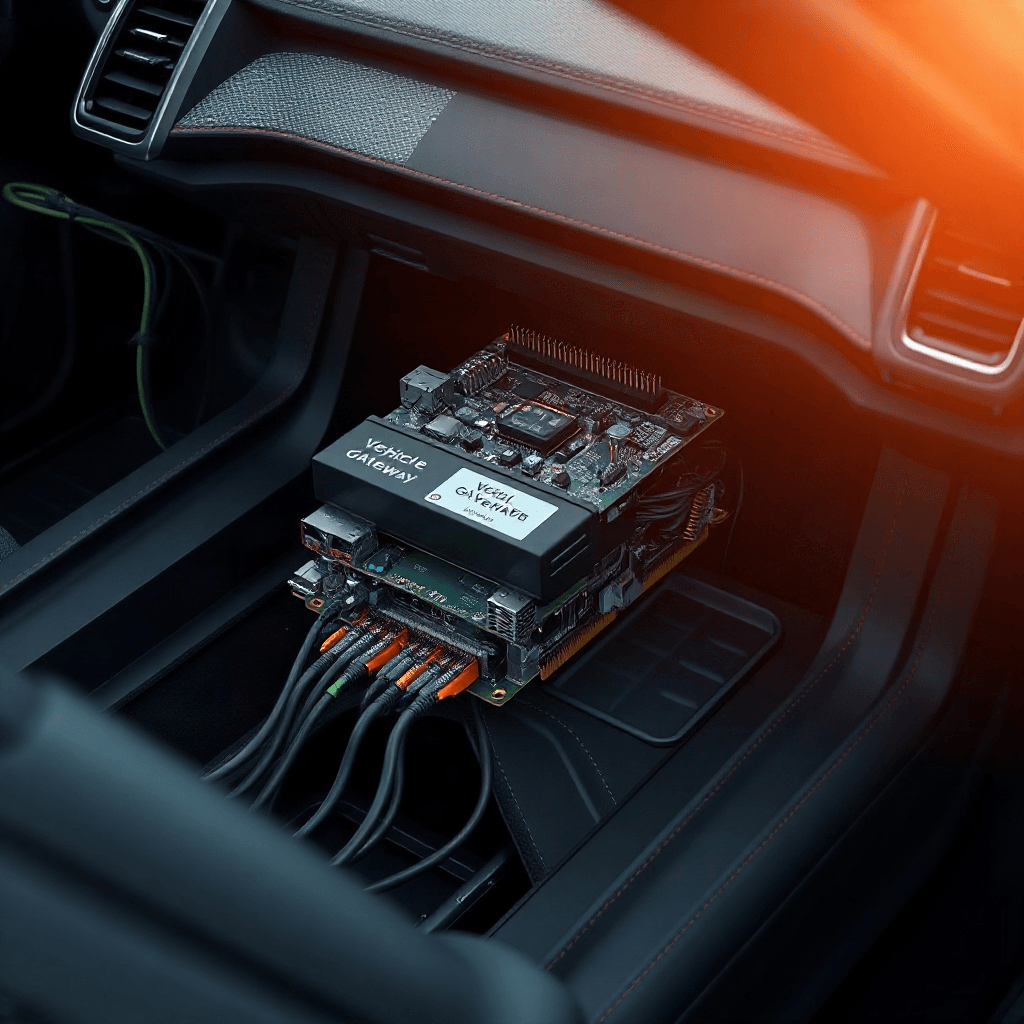
In the rapidly evolving landscape of automotive technology, understanding the intricacies of vehicle communication systems is imperative. One of the critical components in modern vehicles is the Vehicle Gateway Module (VGM). As vehicles become increasingly complex with various interconnected systems, the role of the VGM in routing network messages becomes pivotal. In this analysis, we delve into the functions of the VGM and explore how it manages the intricate web of network communications within a vehicle. This exploration not only sheds light on the technical aspects of VGMs but also emphasizes their significance in ensuring seamless and efficient vehicular operations.
The Role of the Vehicle Gateway Module in Modern Vehicles
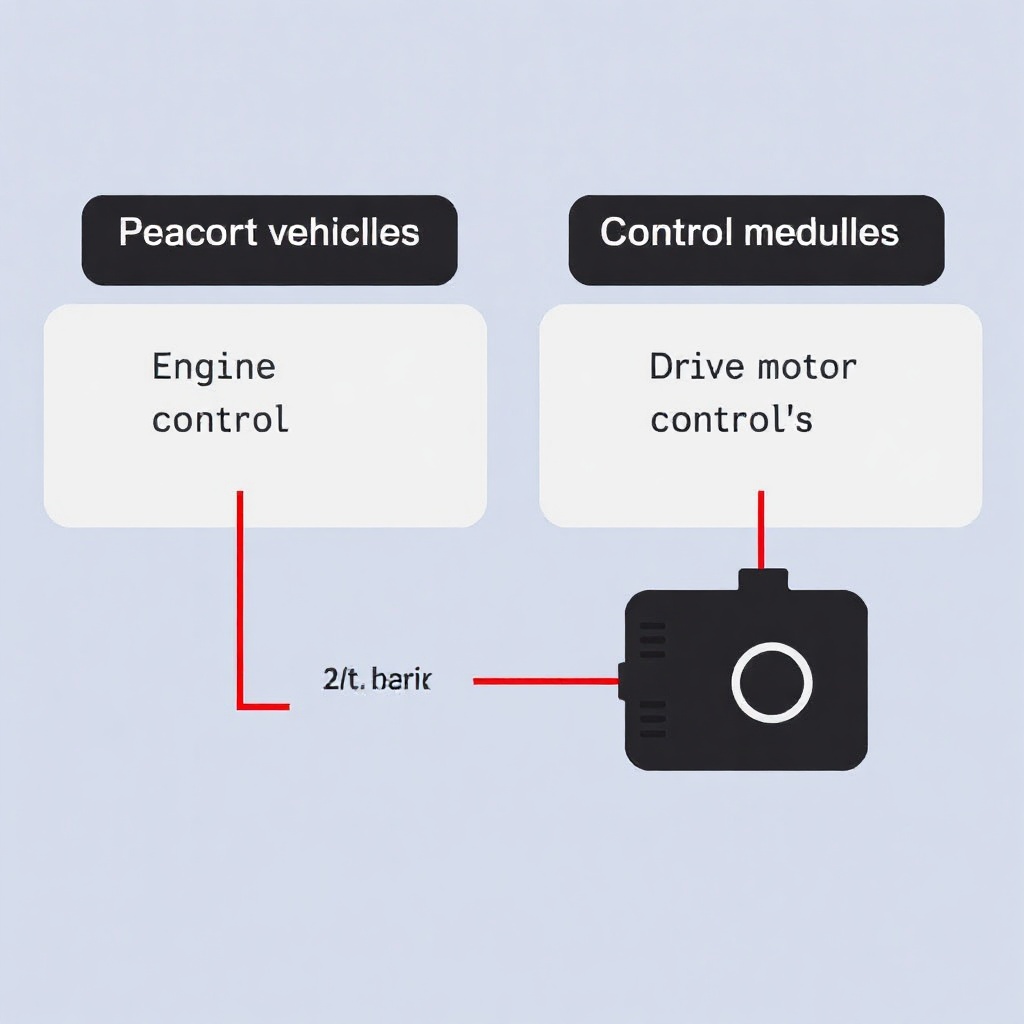
Vehicle Gateway Modules are central to the architecture of modern automotive electronics. They serve as the communication hub, connecting various subsystems within a vehicle’s network. In essence, the VGM acts as a translator and router, managing the flow of data between different electronic control units (ECUs). Without the VGM, the seamless integration of systems such as the engine control, infotainment, and safety systems would be challenging, if not impossible. By facilitating communication across different network protocols, the VGM ensures that all systems operate in harmony, thereby enhancing the overall performance and reliability of the vehicle.
How Network Messages are Routed Through Vehicle Gateway Modules
The primary function of the VGM is to route network messages between various ECUs. This process involves receiving data packets from one system, interpreting the information, and then forwarding it appropriately. Each message is tagged with a priority level, ensuring that critical data, such as safety alerts, are processed with precedence. The VGM’s ability to manage multiple communication protocols, like CAN, LIN, and FlexRay, highlights its versatility. By employing intelligent algorithms, the VGM optimizes message routing, reducing latency and preventing bottlenecks in the communication flow. This efficient management of network traffic is crucial for maintaining the vehicle’s operational integrity and safety.
The Technical Architecture Behind Vehicle Gateway Modules
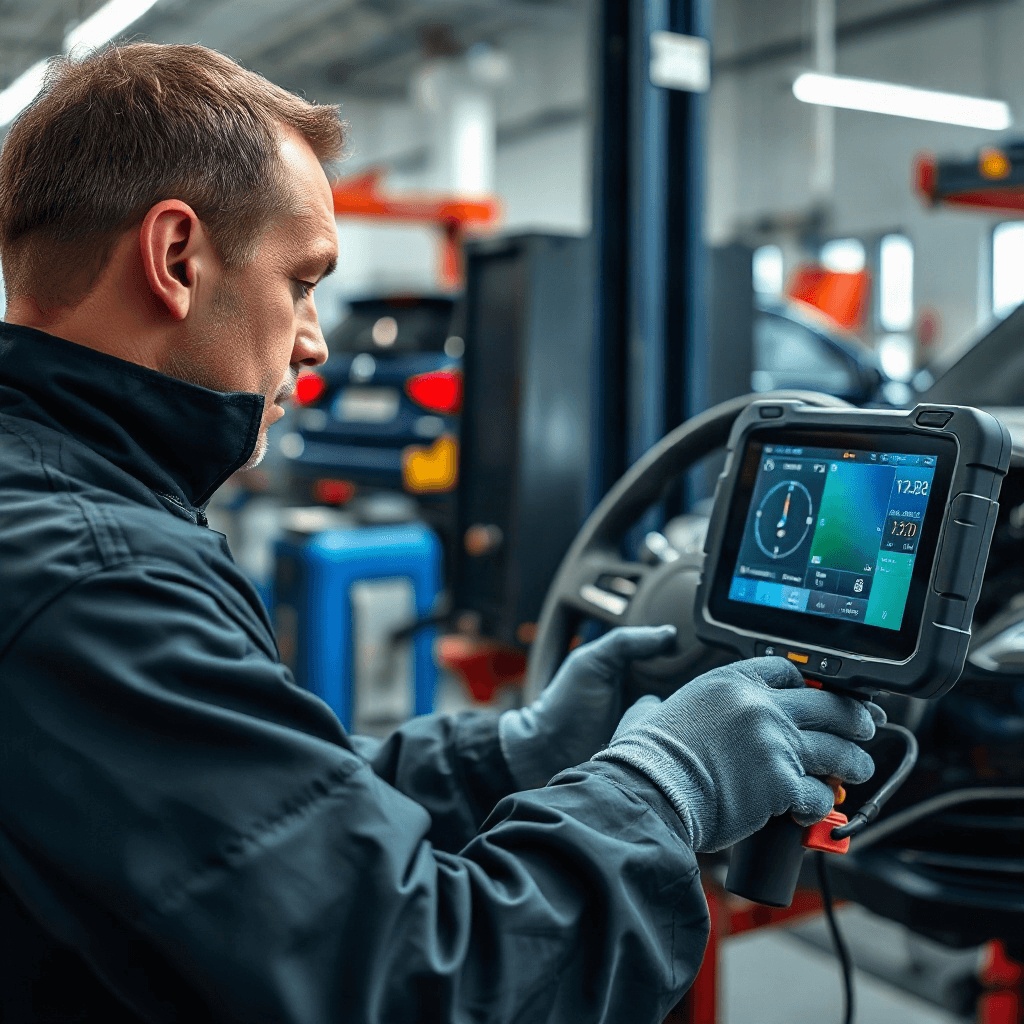
Understanding the technical architecture of VGMs provides insight into their capabilities. Typically housed in a robust electronic unit, the VGM consists of multiple microcontrollers working in tandem to execute complex tasks. These microcontrollers are programmed with sophisticated firmware that enables the VGM to adapt to various network configurations and protocols. The architecture is designed to be scalable, allowing for future enhancements and updates as automotive technology advances. Additionally, VGMs are equipped with diagnostic tools that monitor network performance, enabling technicians to quickly identify and resolve communication issues, thus minimizing vehicle downtime and maintenance costs.
Challenges in Vehicle Gateway Module Implementation
Implementing a VGM within a vehicle’s network presents several challenges. One of the primary concerns is ensuring compatibility between the VGM and the diverse range of ECUs. Each ECU may operate on different protocols, necessitating the VGM to be highly adaptable. Furthermore, the VGM must be robust enough to handle the increased data traffic as vehicles become more connected, incorporating features such as advanced driver-assistance systems (ADAS) and Internet of Things (IoT) capabilities. Security is another critical challenge, as the VGM must protect the vehicle’s network from cyber threats, requiring advanced encryption and authentication measures to safeguard sensitive data.
Future Trends in Vehicle Gateway Module Technology
As automotive technology continues to evolve, VGMs are expected to become even more sophisticated. Future iterations of VGMs will likely incorporate artificial intelligence and machine learning algorithms to enhance their decision-making capabilities. This will enable more efficient data processing and adaptive network configurations, ultimately leading to smarter and more autonomous vehicles. Additionally, with the rise of electric vehicles (EVs), VGMs will play a crucial role in managing the integration of energy management systems, further highlighting their importance in the automotive industry. As these trends develop, VGMs will remain at the forefront of vehicular innovation, driving advancements in connectivity and efficiency.
Conclusion The Indispensable Nature of Vehicle Gateway Modules
In conclusion, Vehicle Gateway Modules are indispensable components in modern automobiles. Their ability to manage the complex web of network communications is essential for the seamless operation of various vehicular systems. By acting as the central hub for data routing and integration, VGMs enhance the vehicle’s performance, safety, and reliability. As automotive technology continues to advance, the role of VGMs will only grow in importance, paving the way for more connected and intelligent vehicles. For those interested in the future of automotive electronics, understanding the intricacies of VGMs is crucial. For further insights, one might explore related topics such as [vehicle communication protocols].