P0750 Code: Shift Solenoid A Malfunction
The P0750 code, often encountered by vehicle owners and technicians, refers to a malfunction with the shift solenoid A in the vehicle’s transmission system. Understanding and addressing this code is critical for maintaining optimal transmission performance and preventing further damage. In this guide, they will explore what the P0750 code entails, its causes, symptoms, diagnosis, and solutions, along with preventive measures to avoid recurrence. By the end of this article, they will have a comprehensive understanding of the P0750 code and its implications on vehicle performance.
Understanding the P0750 Code
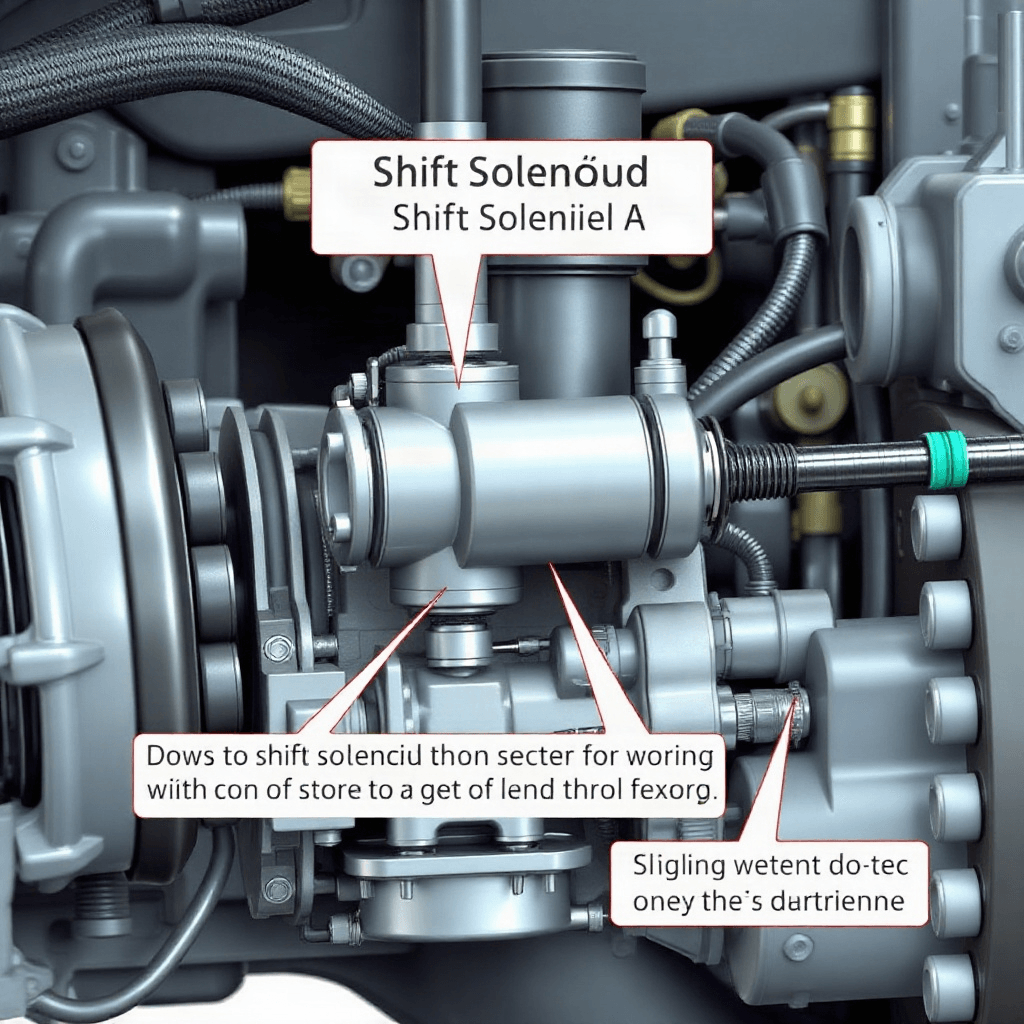
The P0750 code indicates a malfunction in the shift solenoid A circuit, a crucial component of a vehicle’s automatic transmission system. Shift solenoids are responsible for controlling the flow of transmission fluid, facilitating smooth gear shifts. When the powertrain control module (PCM) detects an issue in the solenoid A circuit, it triggers the P0750 code. This notification alerts technicians to inspect the solenoid and surrounding components for potential issues. The code is specific to automatic transmissions and is common across various vehicle makes and models. Understanding this code is essential for anyone dealing with transmission problems, as it often leads to noticeable symptoms affecting vehicle operation.
Common Causes of P0750 Code
Several factors can trigger the P0750 code, and identifying the root cause is crucial for effective troubleshooting. Among the most common causes are electrical issues within the solenoid A circuit, such as damaged wires, loose connections, or a malfunctioning solenoid. Hydraulic blockages within the transmission can also lead to solenoid malfunctions, preventing the proper flow of transmission fluid. Additionally, outdated or contaminated transmission fluid can contribute to the code by affecting solenoid performance. In some cases, a faulty PCM could misinterpret signals, wrongly setting off the P0750 code. Identifying these causes requires a meticulous approach, focusing on both electrical and mechanical components of the transmission system.
Symptoms of a Malfunctioning Shift Solenoid
When the P0750 code is active, it manifests through a range of symptoms that can alert drivers to potential transmission issues. Common indicators include erratic or harsh gear shifting, where the vehicle struggles to change gears smoothly. Drivers might also notice the transmission slipping, where the engine revs increase without corresponding vehicle acceleration. Additionally, the check engine light is likely to illuminate, serving as a warning of underlying transmission problems. In some cases, the vehicle may enter limp mode, restricting performance to prevent further damage. Recognizing these symptoms early can prevent more severe transmission issues from developing.
Diagnosing the P0750 Code
Diagnosing the P0750 code requires a systematic approach to pinpoint the exact cause of the malfunction. Technicians typically begin with a thorough visual inspection of the transmission wiring and connectors to identify any visible damage or disconnections. Utilizing an OBD-II scanner, they retrieve diagnostic trouble codes, confirming the presence of the P0750 code and any related codes. Further testing involves checking the resistance of the shift solenoid A to ensure it is within the manufacturer’s specifications. Technicians may also perform a hydraulic pressure test to verify the flow of transmission fluid. This comprehensive diagnostic process enables accurate identification of the malfunction’s source, facilitating targeted repairs.
Resolving the P0750 Code
Once they have identified the cause of the P0750 code, implementing the appropriate solution is essential for restoring transmission functionality. If electrical issues are detected, technicians typically repair or replace damaged wiring and connectors to ensure a stable electrical connection. In cases where the shift solenoid A is faulty, replacing the solenoid is often necessary to restore proper operation. Should the issue stem from transmission fluid problems, performing a transmission fluid flush and replacing it with the recommended fluid type can resolve hydraulic blockages. In rare instances of PCM malfunction, reprogramming or replacing the PCM may be required. These solutions effectively address the underlying issues, clearing the P0750 code and restoring transmission performance.
Preventive Measures to Avoid Future Issues
Preventing the recurrence of the P0750 code involves regular maintenance and vigilance. Routine inspection of the transmission system, including wiring and connectors, can identify potential issues before they escalate. Regular transmission fluid changes, adhering to the manufacturer’s recommendations, ensure optimal fluid quality and prevent hydraulic problems. Keeping the vehicle’s software updated can also prevent PCM-related issues. Additionally, addressing any check engine light warnings promptly helps catch transmission issues early. By adopting these preventive measures, they can enhance the longevity of the transmission system and avoid the complications associated with the P0750 code.