Dome Light Won’t Turn Off: Door Switch and BCM Causes
When dealing with automotive electrical systems, few issues are as perplexing as a dome light that refuses to turn off. This problem, though seemingly minor, can lead to battery drainage and signal underlying electrical issues. Understanding the root causes of this malfunction is vital for effective troubleshooting and repair. The primary culprits often include the door switch and the Body Control Module (BCM), each playing a critical role in the vehicle’s lighting system. This article delves into the complexities of these components, their interaction, and their contribution to the persistent illumination of the dome light.
The Role of the Dome Light in Vehicle Systems
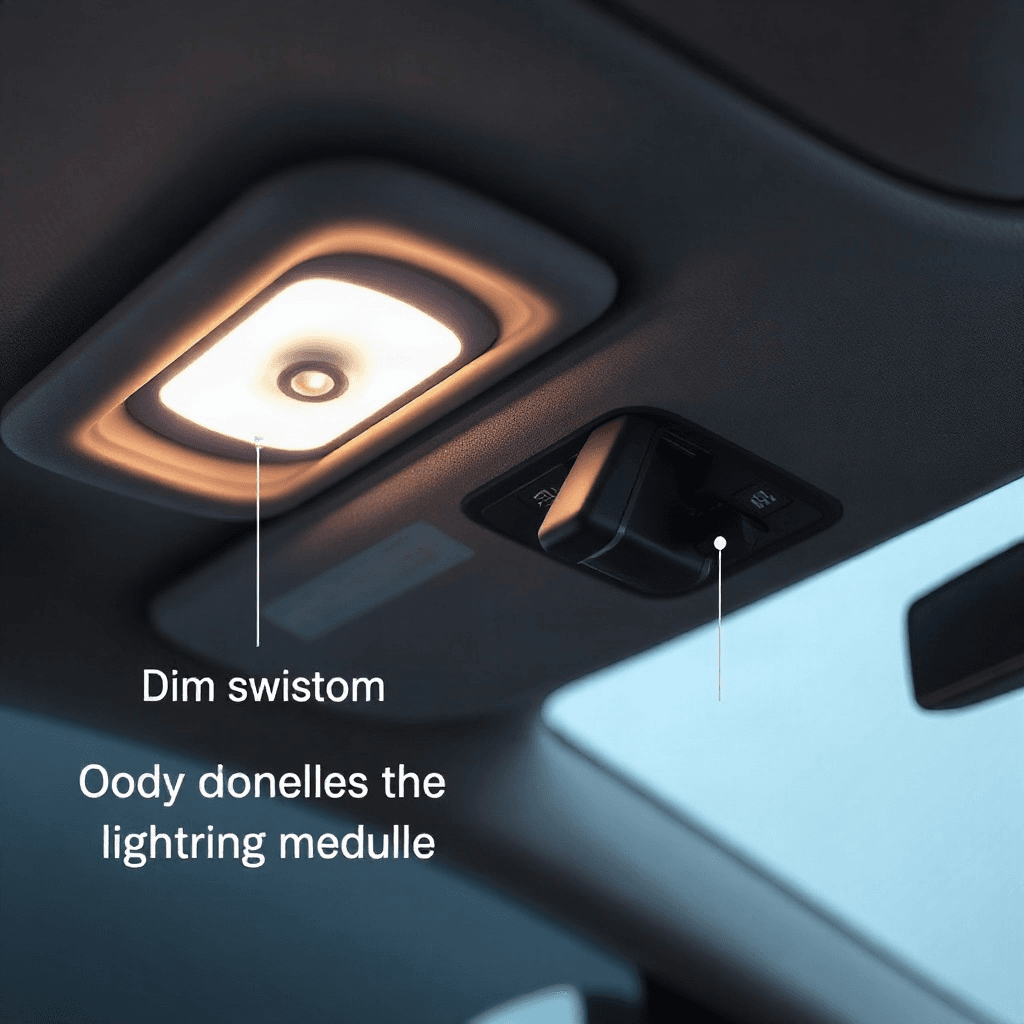
The dome light in vehicles serves more than just an aesthetic or convenience purpose; it is an integral part of the vehicle’s interior illumination system, aiding passengers in navigating the interior in low-light conditions. This light is typically controlled by a set of switches, including the door switch, and is managed by the BCM. The dome light’s reliability is essential; a malfunction not only inconveniences passengers but can also indicate broader electrical issues within the vehicle. Understanding its role provides a foundation for diagnosing issues related to its persistent operation.
Understanding the Door Switch Mechanism
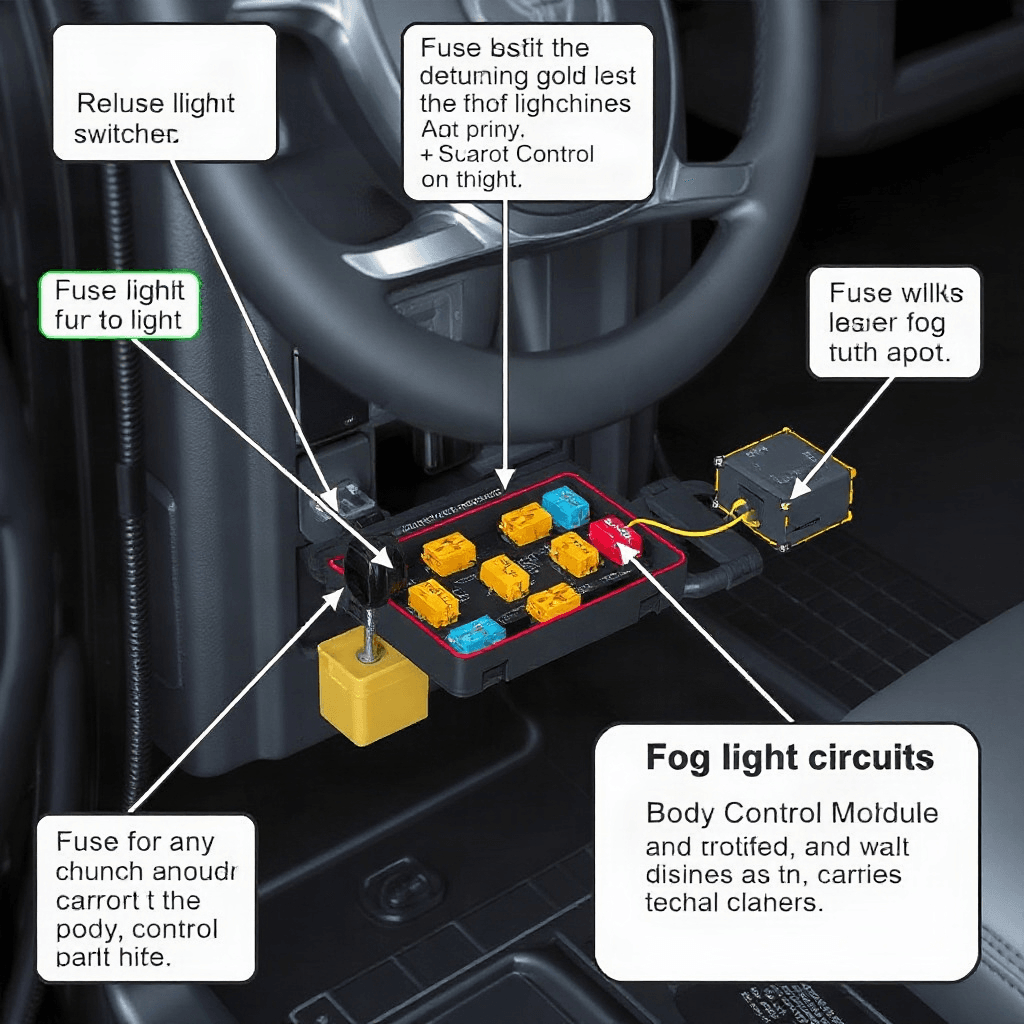
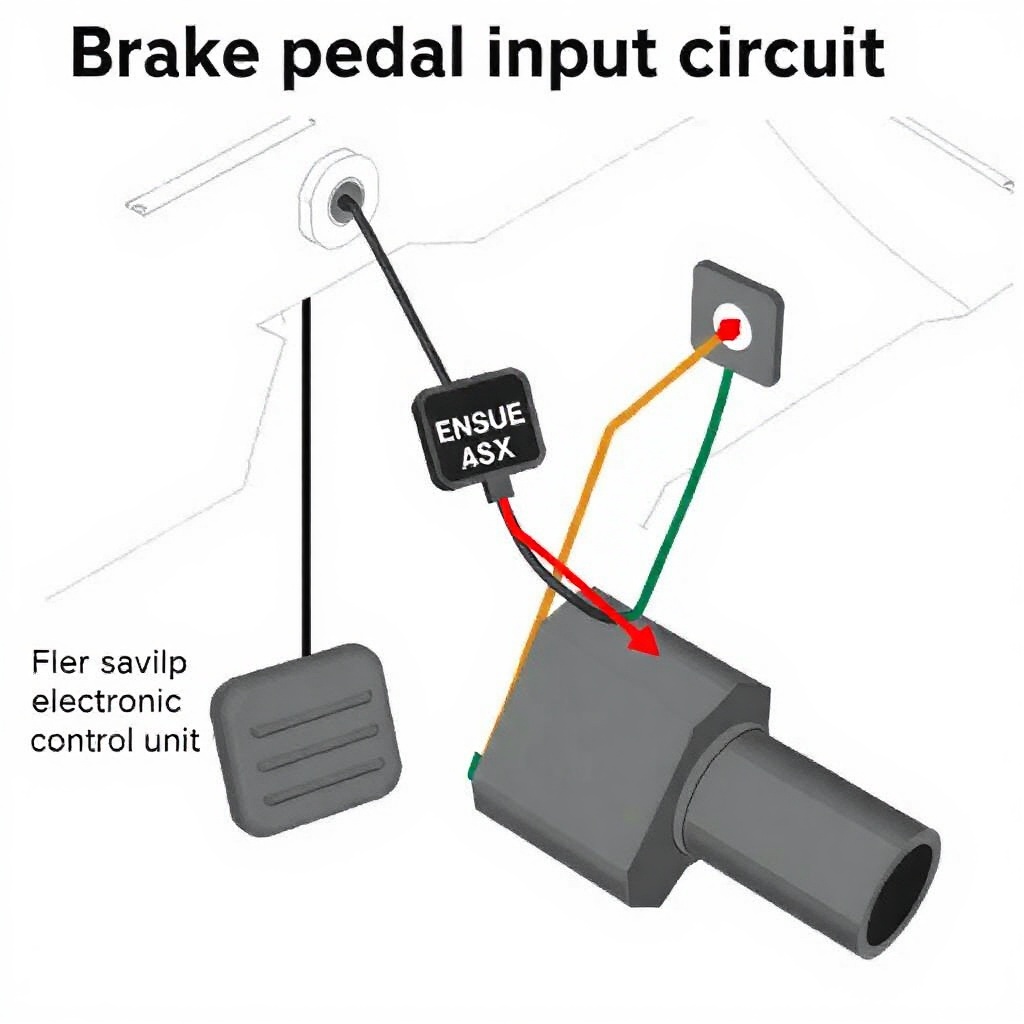
The door switch is a simple yet crucial component in a vehicle’s electrical system, responsible for signaling whether a door is open or closed. It operates by completing or breaking an electrical circuit whenever a door is opened or closed. When functioning correctly, it ensures the dome light turns on upon door opening and off when closed. However, wear and tear, corrosion, or physical damage can lead to a faulty door switch, causing the dome light to remain on. Diagnosing a defective door switch involves inspecting the switch’s physical condition and ensuring proper electrical connectivity, which can often be resolved with minor adjustments or replacements.
The Body Control Modules Influence
The Body Control Module (BCM) acts as the central hub for managing various electronic components within a vehicle, including the dome light. It receives signals from the door switch and other sensors to control the lighting systems. A malfunctioning BCM can misinterpret signals, leading to erroneous operations such as a dome light that won’t turn off. Troubleshooting BCM issues requires a systematic approach, often involving diagnostic tools to read error codes that indicate specific faults. Repairing or reprogramming the BCM may be necessary, depending on the complexity of the issue.
Diagnosing Persistent Dome Light Illumination
Diagnosing a dome light that won’t turn off involves a systematic examination of both the door switch and the BCM. Start by inspecting the door switch for any signs of wear or damage. If the switch appears functional, proceed to check the BCM for error codes using an OBD-II scanner. It’s crucial to ensure all connections are secure and free from corrosion, as poor connectivity can mimic more severe electrical faults. Understanding the interaction between these components facilitates accurate diagnosis and prevents unnecessary replacements.
Solutions and Repairs for Dome Light Issues
Addressing dome light issues requires targeted repairs based on the diagnosis. For a faulty door switch, cleaning or replacing the switch may resolve the issue. In the case of BCM-related problems, more complex solutions such as reprogramming or replacing the module might be necessary. Regular maintenance and inspection of these components can preemptively identify potential issues before they manifest as persistent dome light illumination. Additionally, professional assistance is recommended for BCM repairs, given the complexity and importance of the module in the vehicle’s electrical system.
Preventative Measures and Maintenance Tips
Preventing dome light issues is largely a matter of regular maintenance and timely intervention. Routine checks of the door switches and BCM connections can preempt many problems. Keeping the door switch mechanism clean and ensuring that the BCM software is up-to-date can prevent signal misinterpretations and electrical faults. Vehicle owners should be vigilant for early signs of electrical issues, such as inconsistent dome light behavior, which may indicate emerging problems. Engaging professional services for regular vehicle inspections can also mitigate the risk of persistent electrical issues.