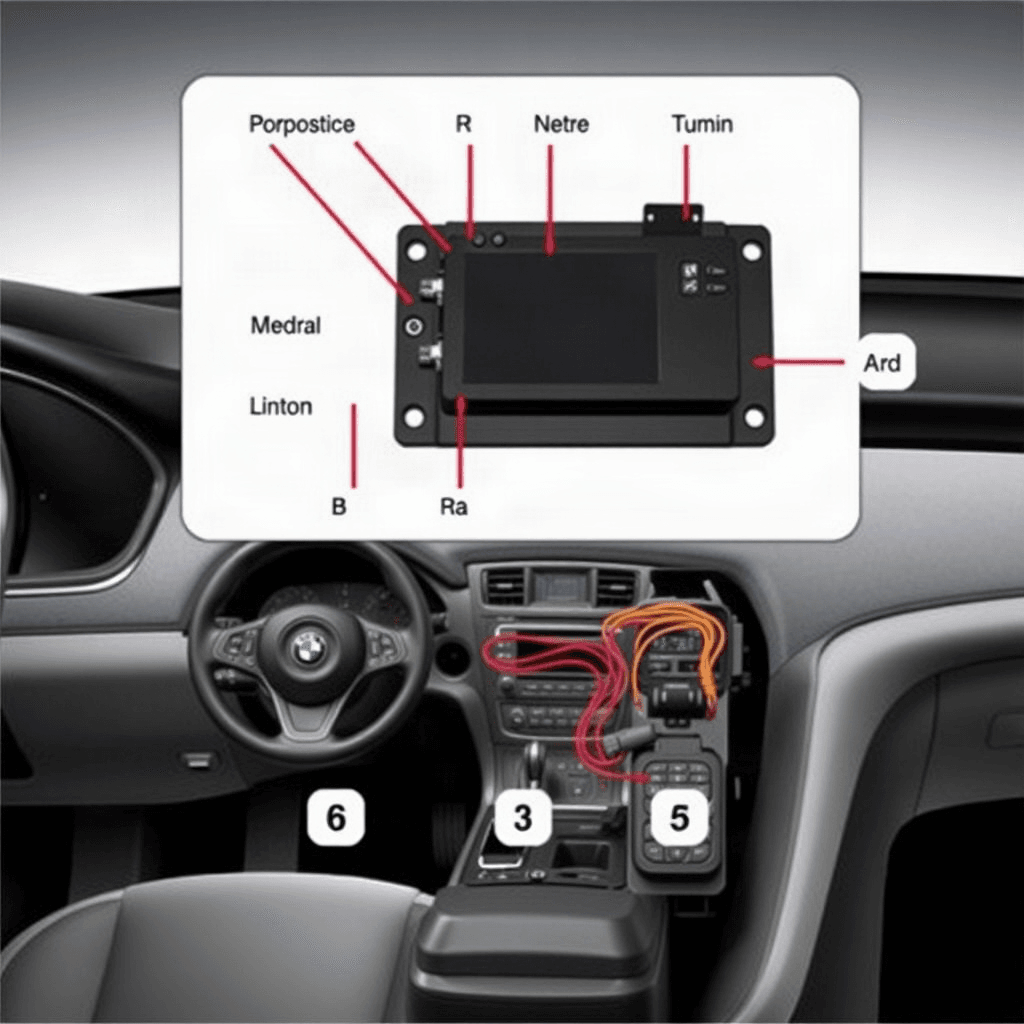
Can Low Battery Voltage Trigger U-Codes? A Diagnostic Checklist

In the world of automotive diagnostics, few topics stir as much debate as the impact of low battery voltage on triggering U-codes. U-codes, generally related to communication issues within a vehicle’s systems, often emerge as frustrating enigmas for technicians. Understanding the potential causes of these codes is crucial for effective troubleshooting. This article delves into the relationship between battery voltage and U-codes, providing a comprehensive diagnostic checklist for professionals navigating this intricate landscape.
Understanding U-Codes and Their Implications
U-codes are a subset of diagnostic trouble codes (DTCs) that primarily indicate communication problems within a vehicle’s network. These codes can arise from a myriad of causes, including wiring issues, faulty control modules, or network disruptions. However, one often overlooked factor is battery voltage. When a car’s battery voltage drops below a certain threshold, it can lead to insufficient power supply to various modules, causing communication errors and, consequently, U-codes. This phenomenon is more prevalent in modern vehicles equipped with numerous electronic control units (ECUs), each demanding stable power for optimal operation.
The Role of Battery Voltage in Vehicle Diagnostics
Battery voltage is the lifeblood of a vehicle’s electronic systems. It ensures that ECUs and other components receive the necessary power to function correctly. In situations where the battery voltage is low, these components may not operate as intended, potentially leading to miscommunication between modules. This miscommunication can manifest as U-codes, signaling a breakdown in the vehicle’s network integrity. Technicians must consider battery voltage as a fundamental diagnostic parameter, particularly when U-codes are involved.
Diagnostic Checklist for U-Codes Related to Battery Voltage
When faced with U-codes, technicians should employ a systematic approach to determine if battery voltage is a contributing factor. First, measure the battery voltage both static and dynamic conditions. A healthy battery should maintain a voltage of around 12.6 volts when the engine is off and between 13.7 to 14.7 volts when running. If the voltage is below these levels, further investigation is warranted. Next, inspect the battery terminals for corrosion or loose connections, as these can impede proper voltage delivery. Additionally, evaluate the alternator’s performance to ensure it is adequately charging the battery. If all tests confirm a healthy charging system, consider checking for parasitic drains that might deplete the battery over time.
Case Studies Real-World Applications
Real-world scenarios often illustrate the complexity of diagnosing U-codes related to battery voltage. In one instance, a technician encountered persistent U-codes in a vehicle with an otherwise healthy system. Upon inspection, it was discovered that the battery, while relatively new, had a manufacturing defect causing intermittent voltage drops. Replacing the battery resolved the U-codes, underscoring the importance of considering battery condition even when it appears satisfactory at first glance. Another case involved a vehicle where U-codes surfaced only in cold weather, revealing a connection between temperature-induced voltage fluctuations and network communication errors.
Preventative Measures and Best Practices
To mitigate the risk of U-codes triggered by low battery voltage, technicians should adopt preventative measures. Regular battery maintenance, including thorough inspections for signs of wear and ensuring solid connections, is paramount. Additionally, conducting routine voltage checks as part of standard vehicle servicing can preemptively identify potential issues. Educating vehicle owners about the significance of maintaining a healthy battery and the implications of neglect can also play a pivotal role in preventing voltage-related U-codes.
Conclusion Integrating Battery Voltage Checks into Diagnostic Protocols
In conclusion, while low battery voltage is not the sole cause of U-codes, its impact on vehicle communication systems cannot be understated. Technicians must incorporate battery voltage assessments into their diagnostic protocols, particularly when dealing with elusive U-codes. By understanding the interplay between voltage and network integrity, professionals can enhance their diagnostic accuracy and provide more efficient solutions for their clients. Emphasizing the importance of a robust electrical foundation is key to minimizing communication-related issues and ensuring optimal vehicle performance.