How to Test an Electronic Throttle Assembly Before Replacing It
Testing an electronic throttle assembly before opting for replacement is an essential step to ensure you are addressing the right issue with your vehicle. This component, vital to the modern automobile’s engine management system, regulates the amount of air entering the engine and thus plays a crucial role in vehicle performance. Misdiagnosing a problem could lead to unnecessary expenses and time lost. In this article, we will guide you through the meticulous process of evaluating your throttle assembly, exploring diagnostic tools, checking for common symptoms, and understanding the nuances of sensor readings. By the end, you will have a comprehensive understanding of how to approach this task effectively.
Understanding the Role of the Throttle Assembly
The electronic throttle assembly is a crucial part of your vehicle’s engine management system, tasked with controlling the airflow into the engine. Unlike traditional mechanical linkages, modern systems use electronic signals to adjust the throttle position, providing more precise control over the engine’s power output and efficiency. This integration of technology means that any malfunction in the throttle assembly can lead to significant performance issues, such as reduced power, poor fuel economy, or even complete engine failure. Understanding its role and functionality is foundational before delving into testing procedures, enabling you to recognize when the symptoms might point to issues elsewhere in the system.
Identifying Common Symptoms of Throttle Assembly Issues
Before testing the throttle assembly, it’s vital to recognize the symptoms indicative of its failure. Common signs include erratic idling, stalling, surging, or the illumination of the check engine light. These symptoms might not always stem from the throttle assembly itself but could be linked to related components such as the throttle position sensor or the electronic control unit. Therefore, a comprehensive diagnostic approach is necessary. Keep in mind that these symptoms might also overlap with other engine issues, necessitating a detailed inspection to pinpoint the exact cause of the problem. This step will help you decide if the throttle assembly is indeed the culprit or if other areas require attention.
Utilizing Diagnostic Tools for Effective Analysis
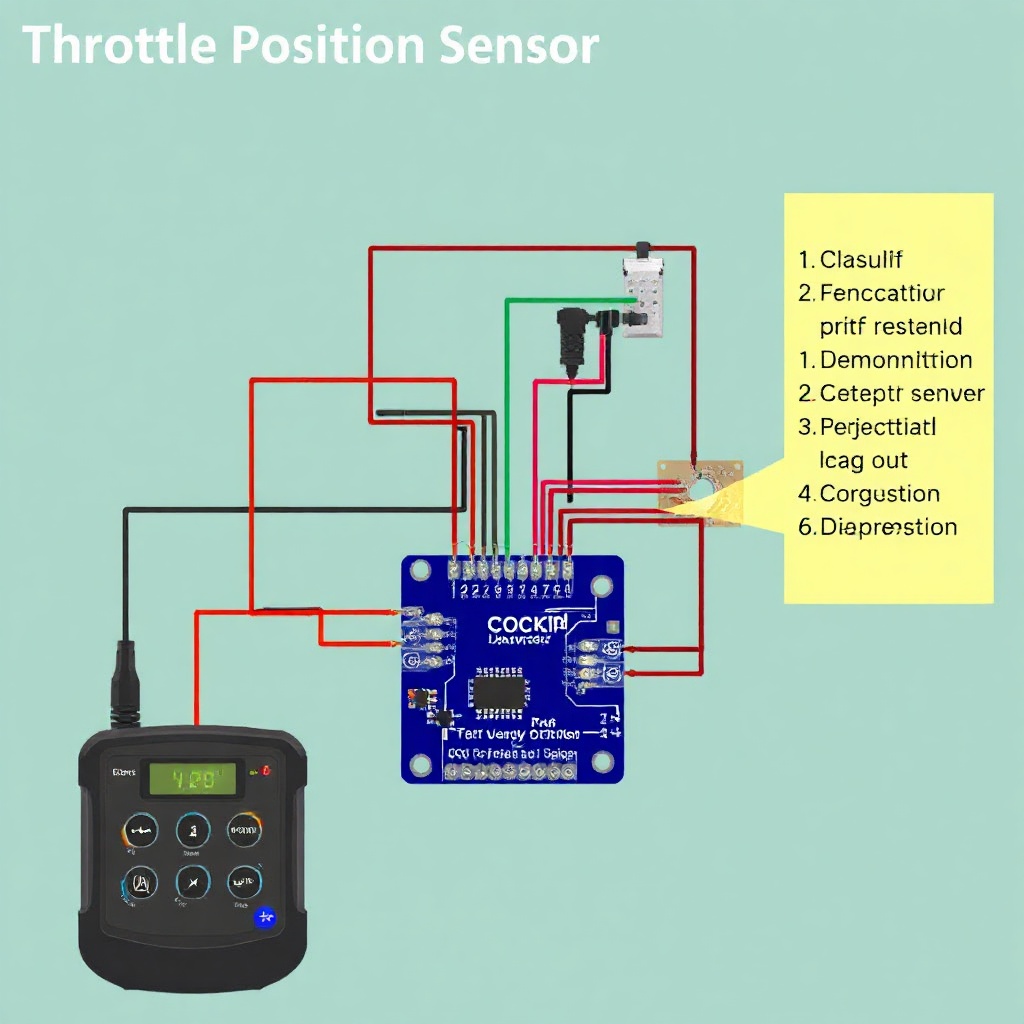
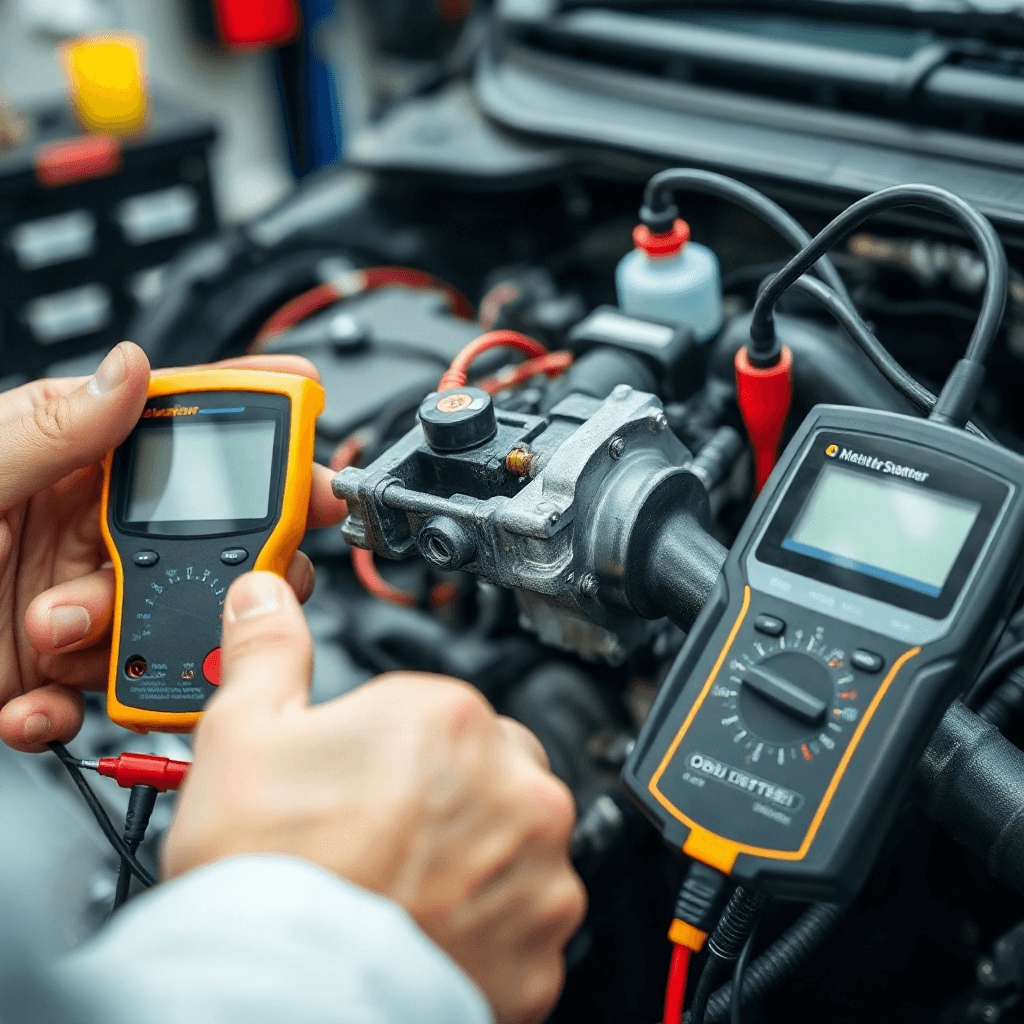
To accurately test the throttle assembly, employing diagnostic tools is critical. A multimeter can be used to check the voltage and continuity of the throttle position sensor, ensuring it is relaying accurate signals to the engine control unit. Additionally, an OBD-II scanner can retrieve error codes from the vehicle’s computer system, offering insights into potential malfunctions. These tools provide a window into the engine’s operational parameters, allowing you to assess whether the throttle assembly is functioning correctly or if other electronic components are at fault. Proper use of these diagnostic tools is essential for a thorough analysis, helping to avoid misdiagnosis and unnecessary replacements.
Conducting a Thorough Visual Inspection
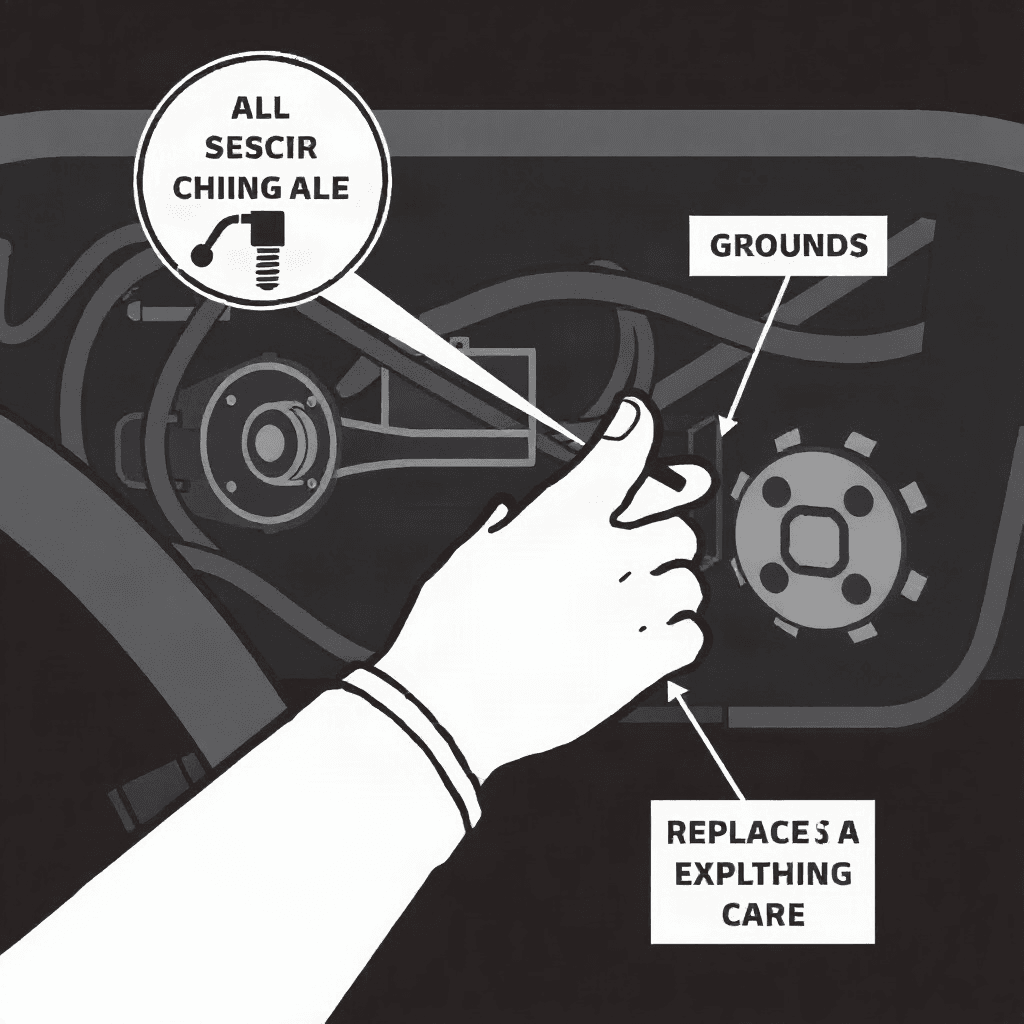
In conjunction with electronic diagnostics, a visual inspection of the throttle assembly can reveal physical issues that might not be immediately apparent. Look for signs of wear, corrosion, or damage to the assembly and its connectors. A clean throttle body is crucial for optimal performance, so check for carbon buildup or debris that might impede the assembly’s movement. Additionally, ensure that all electrical connections are secure and free of corrosion, which can lead to intermittent performance issues. This visual assessment complements the electronic diagnostics, providing a holistic view of the assembly’s condition and ensuring that no detail is overlooked in the diagnosis process.
Interpreting Sensor Readings and Data
Interpreting sensor data is a pivotal part of testing the throttle assembly. The throttle position sensor should provide a smooth, linear signal as the throttle opens and closes. Any erratic or non-linear readings could indicate a faulty sensor or wiring issue. Similarly, the engine control unit might log data that reveals inconsistencies in throttle response times or discrepancies between expected and actual air intake levels. Understanding these readings requires a solid grasp of the vehicle’s operational specifications and the ability to correlate data patterns with potential malfunctions. Mastery of this data interpretation is key to diagnosing whether the throttle assembly or another component is at fault.
Making an Informed Decision on Replacement
After completing both electronic and visual diagnostics, you should have a clear understanding of the throttle assembly’s condition. If testing confirms a failure, replacement might be necessary to restore optimal vehicle performance. However, if the assembly is functioning correctly, the issue might lie elsewhere in the vehicle’s systems. Taking the time to conduct these tests not only saves money but also enhances your understanding of your vehicle’s engineering. Ultimately, making an informed decision based on thorough diagnostics ensures that you address the root cause of the problem, rather than merely treating the symptoms.