GM Powertrain Codes: Confirm a Circuit Fault With Scan-Tool Data

In the world of automotive diagnostics, understanding GM Powertrain Codes is crucial for identifying and confirming circuit faults. These codes, often a series of alphanumeric signals, serve as a language that communicates the intricacies of a vehicle’s powertrain system. With the increasing complexity of modern vehicles, technicians and enthusiasts alike must equip themselves with the knowledge to decode these messages. This narrative explores the significance of scan-tool data in diagnosing circuit faults, providing a critical lens on the process while diving into the technical depths of automotive diagnostics.
The Intricacies of Powertrain Codes
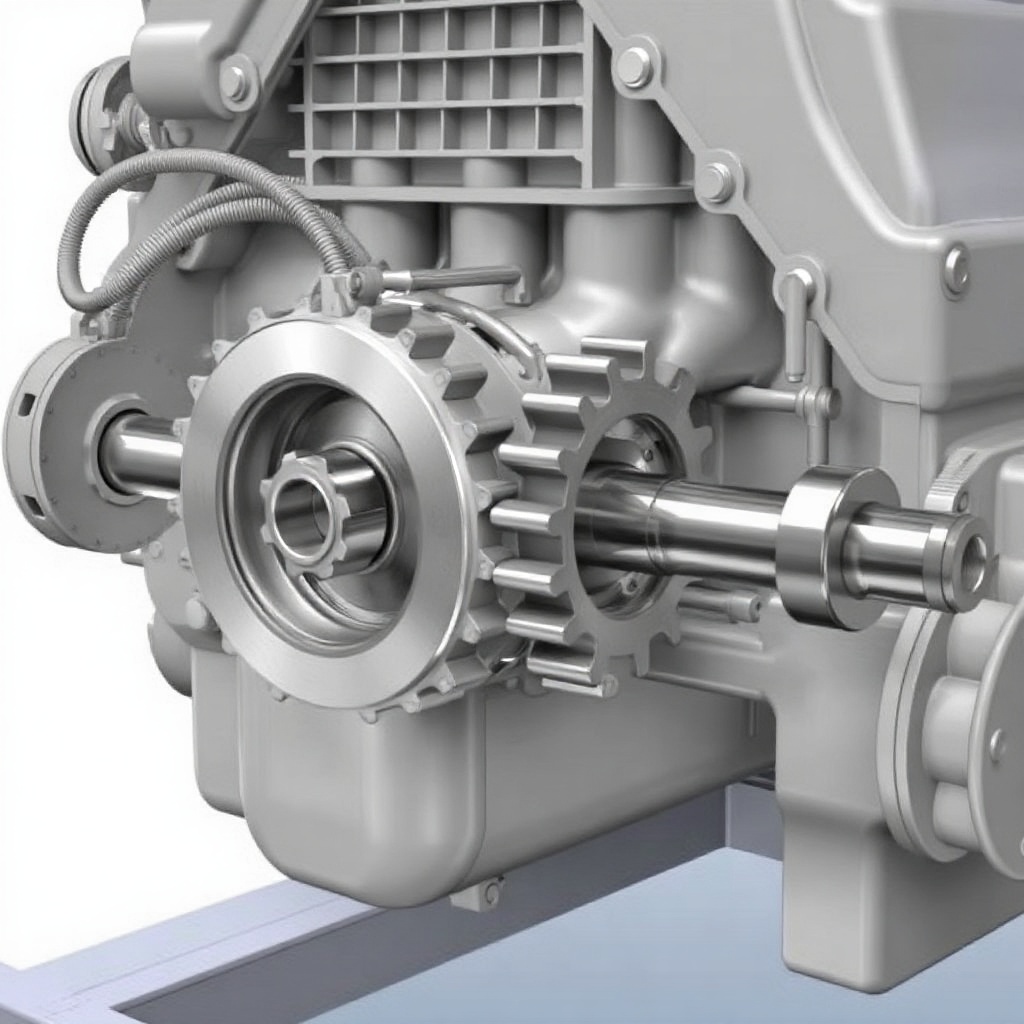
Powertrain codes are not mere random sequences; they are systematically designed to convey precise information about a vehicle’s health. Originating from the Engine Control Module (ECM), these codes can indicate anything from a minor sensor glitch to a severe engine malfunction. A technician’s ability to interpret these codes accurately can make the difference between a quick fix and an arduous repair journey. The codes are often divided into categories, each representing a different part of the powertrain system, such as the engine, transmission, or emission controls. Understanding these categories is the first step in demystifying the code language. Yet, the challenge lies not just in understanding what each code signifies but in using these codes to pinpoint the exact location and nature of the fault, a task made feasible through advanced scan-tool technology.
The Role of Scan-Tool Data in Diagnostics
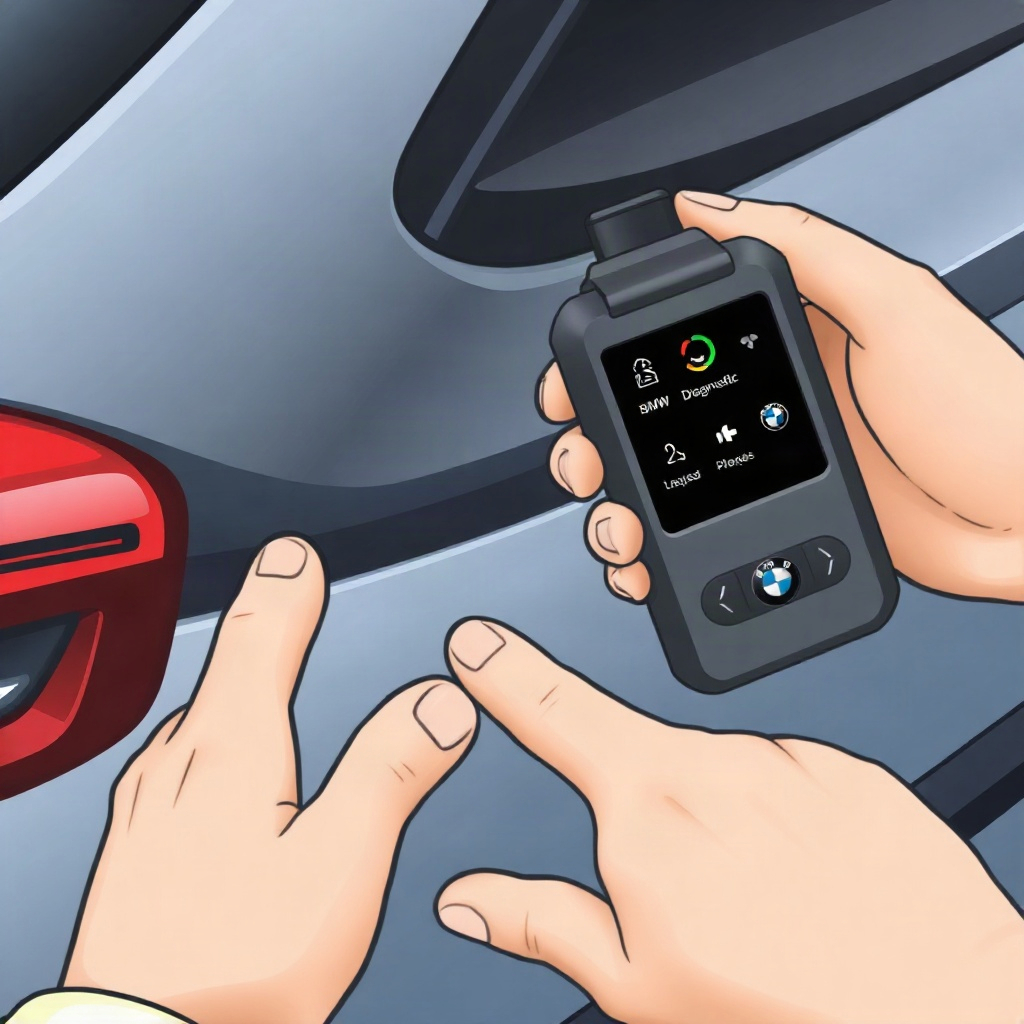
Scan-tools have revolutionized the way circuit faults are diagnosed. By connecting a scan-tool to a vehicle’s On-Board Diagnostics (OBD) port, technicians can access a wealth of information that goes beyond mere code reading. These tools provide real-time data on various engine parameters, allowing for a comprehensive analysis of the vehicle’s performance. For example, if a powertrain code indicates a misfire, the scan-tool can offer data on fuel trim, ignition timing, and sensor readings, giving a holistic view of what’s happening under the hood. This ability to see beyond the codes themselves is what makes scan-tools indispensable in modern diagnostics. However, extracting meaningful insights from scan-tool data requires not only technical expertise but also a critical eye to discern patterns and anomalies that could suggest underlying issues.
Decoding Circuit Faults A Step-by-Step Approach
Diagnosing circuit faults involves more than just reading codes and data; it requires a methodical approach to troubleshooting. First, a technician must verify the code with the scan-tool to ensure accuracy. Once confirmed, the next step is to examine the related system components, such as sensors, wiring, and connectors. An initial visual inspection can often reveal obvious issues like loose connections or damaged wires. If the visual inspection is inconclusive, further testing with multimeters or oscilloscopes may be necessary to check for electrical continuity and signal integrity. Throughout this process, the technician must remain vigilant, as circuit faults can be intermittent, making them notoriously tricky to diagnose. Patience and persistence, combined with technical acumen, are key to resolving these elusive issues.
Common Pitfalls in Diagnosing Circuit Faults
Despite the advancements in diagnostic technology, several pitfalls can impede the accurate diagnosis of circuit faults. One common error is assuming that a powertrain code directly points to a faulty component. In reality, codes are often symptomatic rather than diagnostic, indicating an issue rather than identifying its source. Another pitfall is over-reliance on scan-tool data without considering the possibility of software glitches or calibration errors. It’s also crucial to avoid jumping to conclusions based on incomplete data. Instead, technicians should adopt a holistic approach, corroborating scan-tool data with physical inspections and considering environmental factors that could influence the vehicle’s performance. A thorough understanding of these pitfalls can significantly reduce the risk of misdiagnosis and unnecessary repairs.
Advanced Diagnostic Techniques
For complex circuit faults, advanced diagnostic techniques may be necessary. These can include the use of specialized tools like oscilloscopes for capturing high-frequency signals or thermal cameras for detecting heat signatures indicative of electrical resistance. Some technicians may also employ data logging to monitor the vehicle’s performance over time, identifying patterns that could suggest intermittent faults. Additionally, software updates and recalibration may resolve issues related to outdated or corrupted ECM programming. As vehicles continue to evolve with more sophisticated electronics, staying abreast of these advanced techniques becomes imperative for any serious diagnostic professional.
The Future of Automotive Diagnostics
The future of automotive diagnostics is poised for significant transformation, driven by advancements in technology and data analytics. As vehicles become increasingly autonomous and interconnected, the volume and complexity of diagnostic data will expand. This evolution will necessitate even more sophisticated tools and a deeper understanding of systems integration. Moreover, the rise of electric vehicles introduces new challenges and opportunities for diagnostics, as traditional powertrain components are replaced with electric motors and battery systems. Embracing these changes requires a commitment to continuous learning and adaptation. Ultimately, the ability to effectively diagnose and resolve circuit faults will remain a cornerstone of automotive maintenance, ensuring vehicles operate safely and efficiently in an ever-evolving landscape.