Wheel-Speed Sensor Air Gap: How to Inspect It and Why It Matters
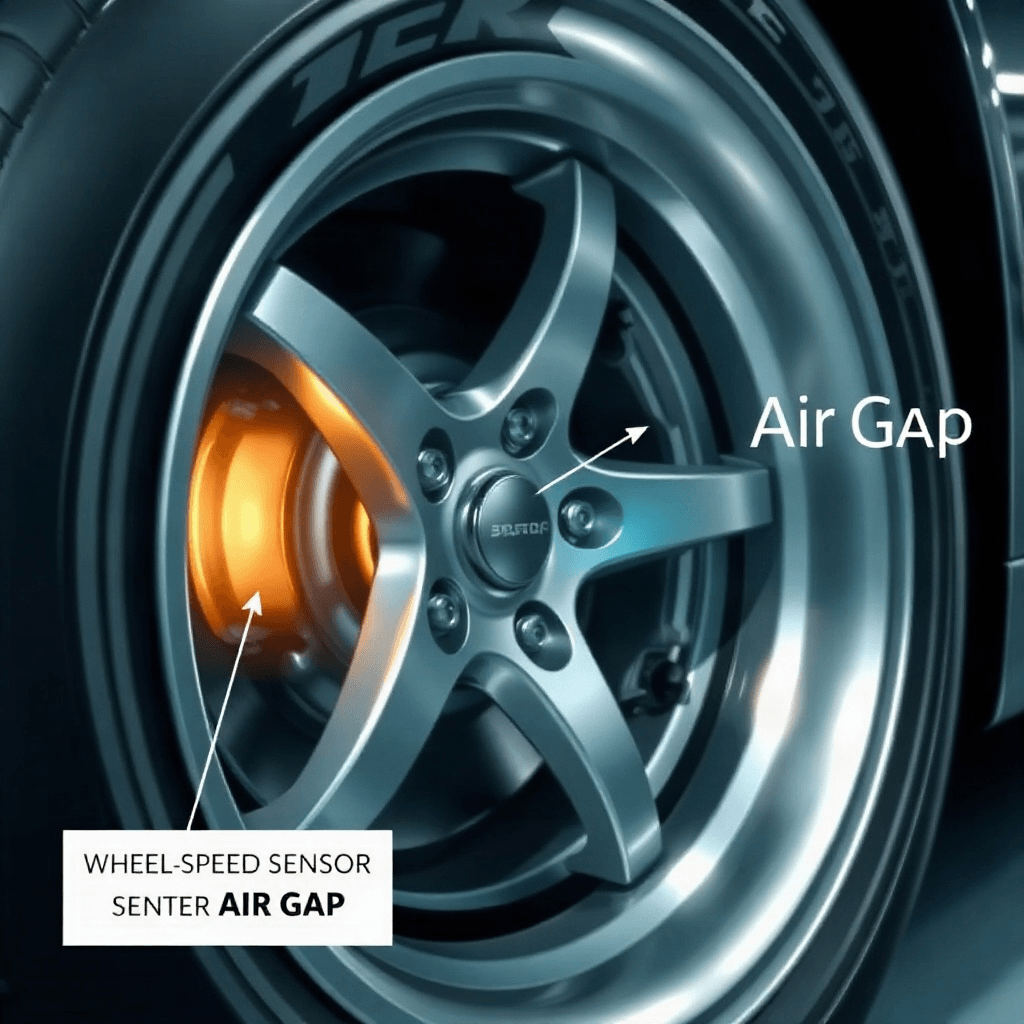
The wheel-speed sensor air gap might sound like a complex technical term, but it’s an important concept in the realm of automotive maintenance. If you’re curious about what it is and why it matters, you’re in the right place. Let’s dive into this intriguing topic in a way that’s easy to understand and informative. We’ll look at what the wheel-speed sensor does, why the air gap is important, and how you can inspect it with ease. By the end of this article, you’ll know more about your vehicle and feel confident in your ability to take care of it. So, let’s get started!
Understanding the Wheel-Speed Sensor
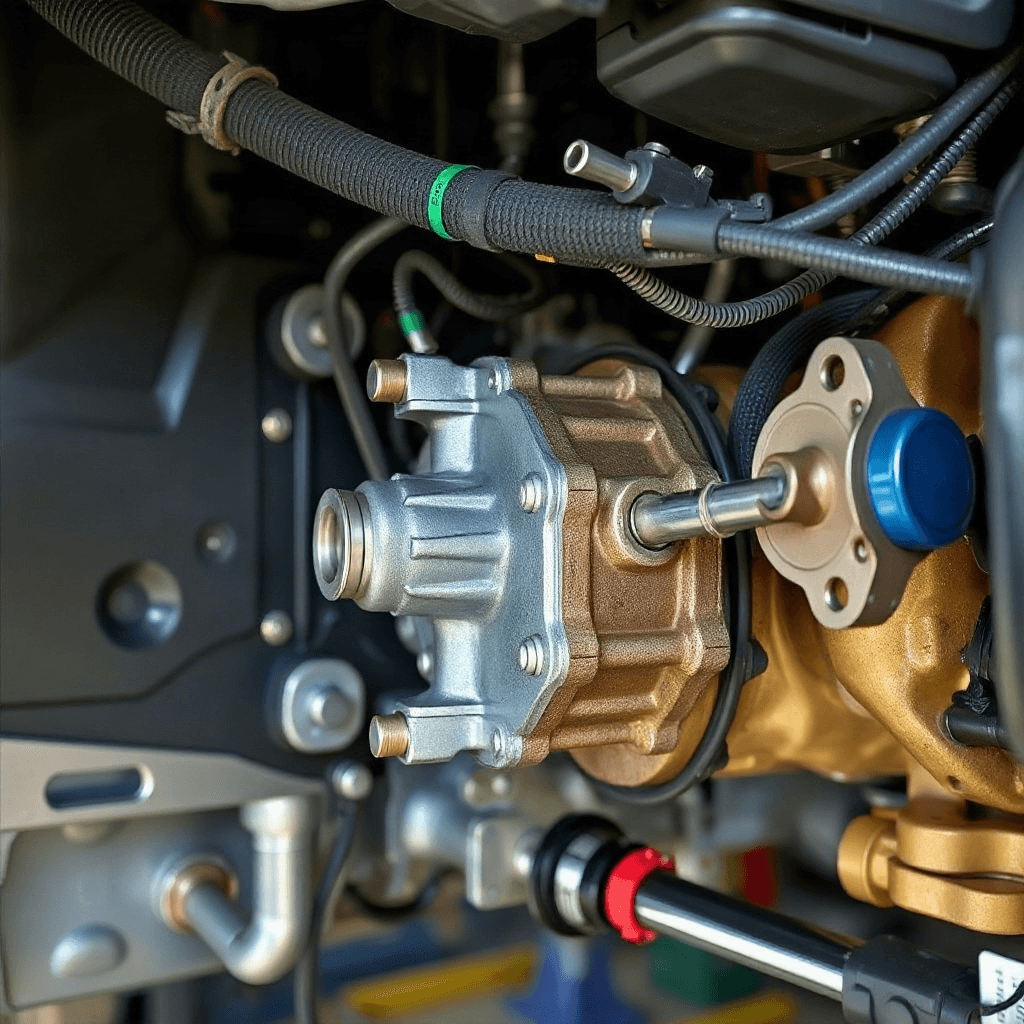
To begin with, let’s talk about what a wheel-speed sensor actually is. It’s a small yet vital component of your car’s anti-lock braking system (ABS). This sensor is responsible for detecting the speed of each wheel and sending this information to the car’s computer system. Why is this important? Well, it helps maintain control when you’re braking, especially in slippery conditions. Without the sensor, your car might not brake as effectively, which could lead to accidents. So, understanding its role helps you appreciate its importance. Now, the air gap is the space between this sensor and the rotating part of the wheel. It’s crucial for accurate readings.
Why the Air Gap Matters
You might wonder, why is the air gap such a big deal? It’s simple: the correct air gap ensures the sensor reads the wheel speed accurately. If the gap is too wide or too narrow, the sensor might not work properly. This misreading can lead to problems with the ABS and even cause the system to fail. Imagine driving on a rainy day and your brakes don’t respond as they should; that’s a scary thought, right? Therefore, maintaining the right air gap is essential for your safety on the road. A well-functioning sensor means your car’s braking system is reliable and effective.
Inspecting the Air Gap
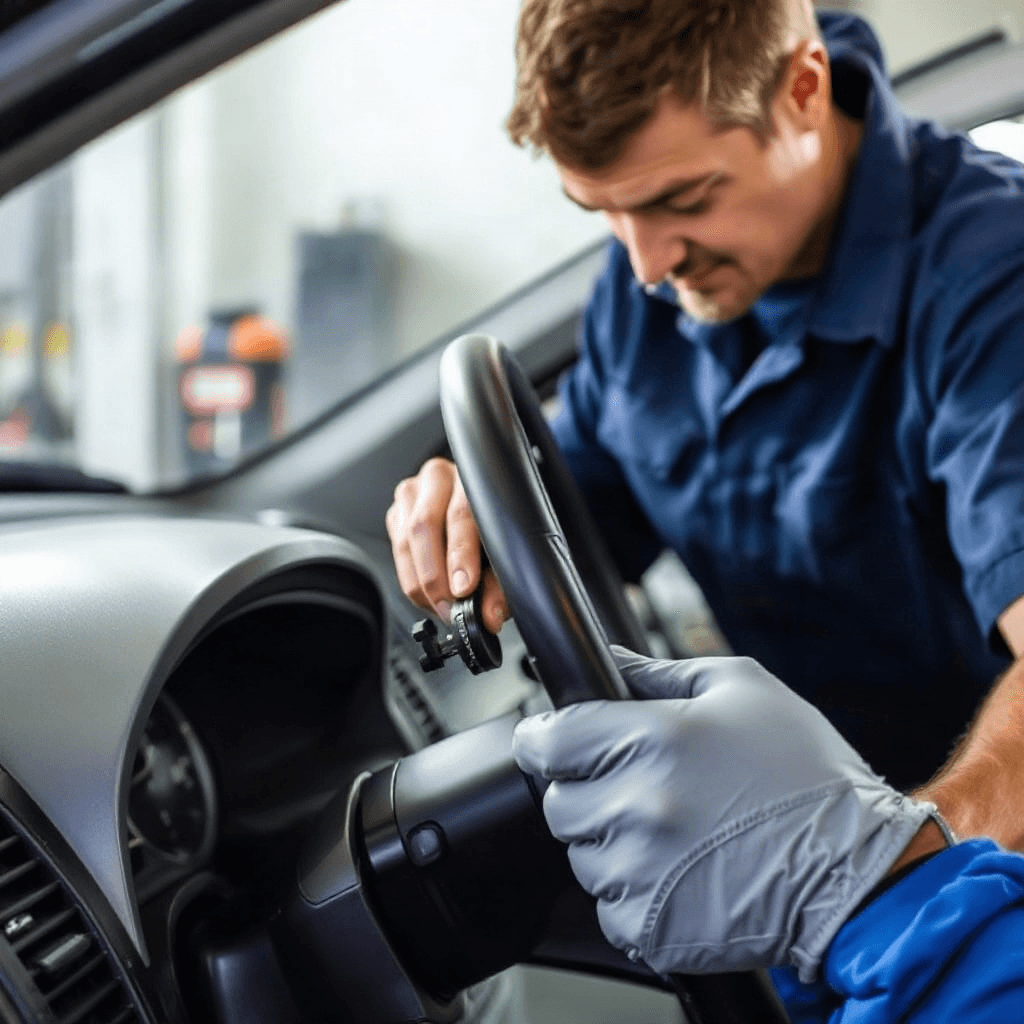
Now that you know why the air gap is important, let’s discuss how you can inspect it. First things first, you’ll need a few tools like a feeler gauge and a flashlight. Start by locating the sensor, which is usually near the wheel hub. Once you find it, use the feeler gauge to measure the gap between the sensor and the wheel. The ideal gap can vary by vehicle, so check your car’s manual for specifics. If the gap is off, you might need to adjust the sensor or consult a professional. It’s a simple inspection that can save you a lot of trouble down the line.
Common Issues with Wheel-Speed Sensors
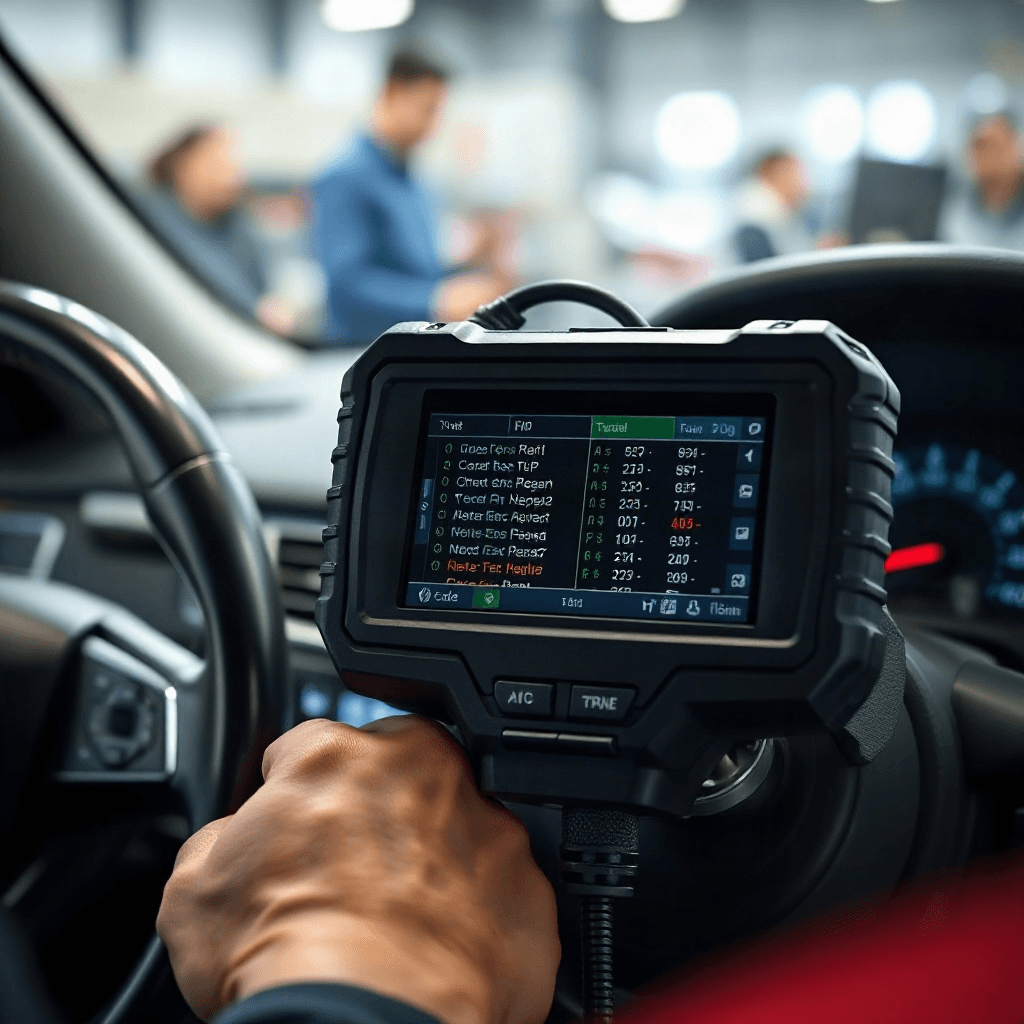
Like any car component, wheel-speed sensors can encounter problems. One common issue is dirt or debris affecting the sensor’s ability to read the wheel speed. Another problem could be a faulty sensor or wiring issues. These can lead to warning lights on your dashboard or erratic braking behavior. If you notice any of these signs, it’s best to inspect your sensor and air gap. Sometimes, a simple cleaning or adjustment can fix the issue. In other cases, you might need to replace the sensor. Keeping an eye on these components can help you avoid bigger problems later.
When to Seek Professional Help
While inspecting the air gap is something you can do yourself, there are times when professional help is necessary. If you’ve measured the gap and adjusted it but still face problems, it might be time to consult a mechanic. They can diagnose more complex issues that might not be obvious to the untrained eye. Professional mechanics have the tools and expertise to ensure your car’s systems are working as they should. Remember, your safety is paramount, so don’t hesitate to seek help when needed. It’s always better to be safe than sorry.
Maintaining Your Vehicles Health
Finally, regular maintenance is key to keeping your vehicle in good shape. Checking the wheel-speed sensor air gap should be part of your routine car care. Along with regular inspections, ensure your tires are in good condition, and your brakes are responsive. These small steps go a long way in ensuring your safety on the road. It’s easy to overlook these details, but staying proactive can save you from costly repairs and dangerous situations. Your car is an investment, and taking care of it means taking care of yourself.