Dodge P0443: Testing the EVAP Purge-Control Valve Circuit
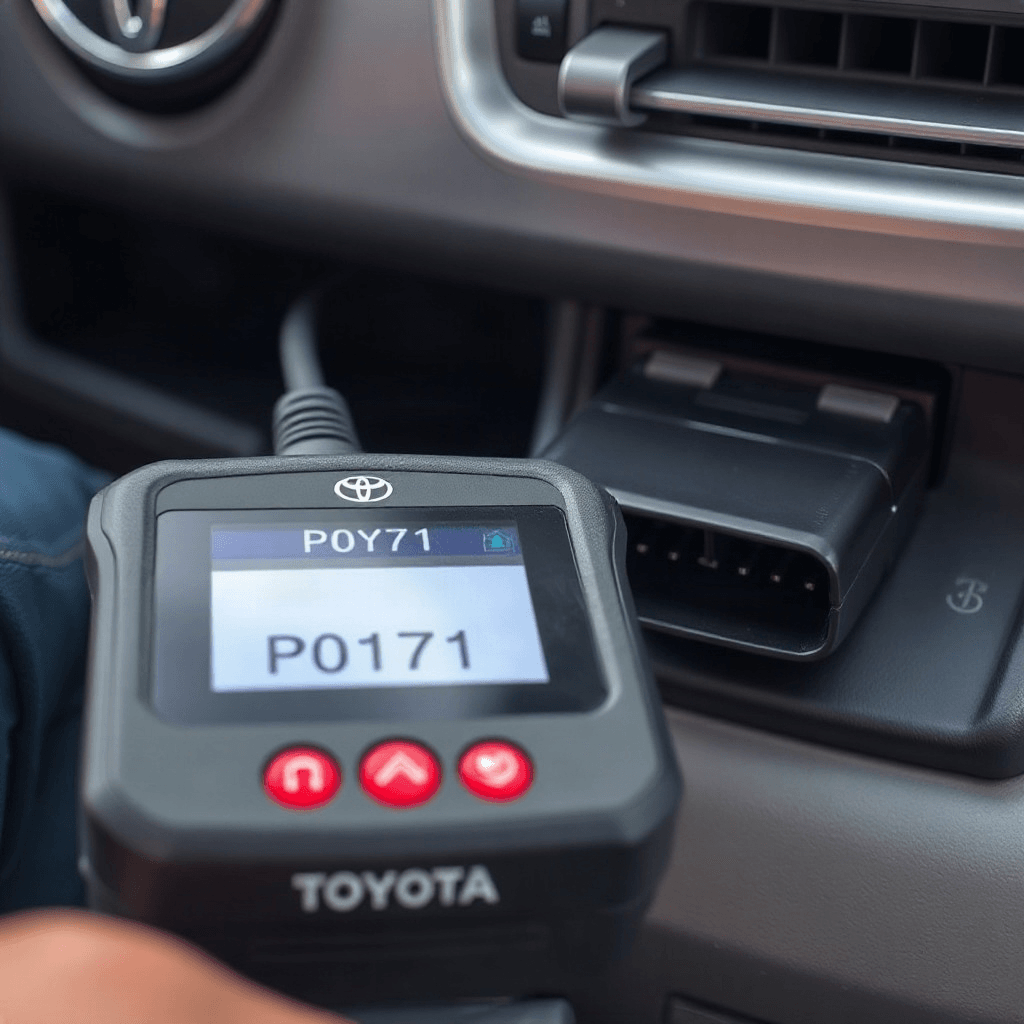
In the world of automotive diagnostics, the emergence of a trouble code often feels like the beginning of a mystery novel. The code P0443, specifically related to Dodge vehicles, signals an issue with the EVAP purge-control valve circuit—a complex component of the vehicle’s emissions system. This piece will unravel the intricacies of this code, guiding you through the steps of understanding and troubleshooting this enigmatic message from your car’s onboard diagnostics.
Understanding the EVAP System
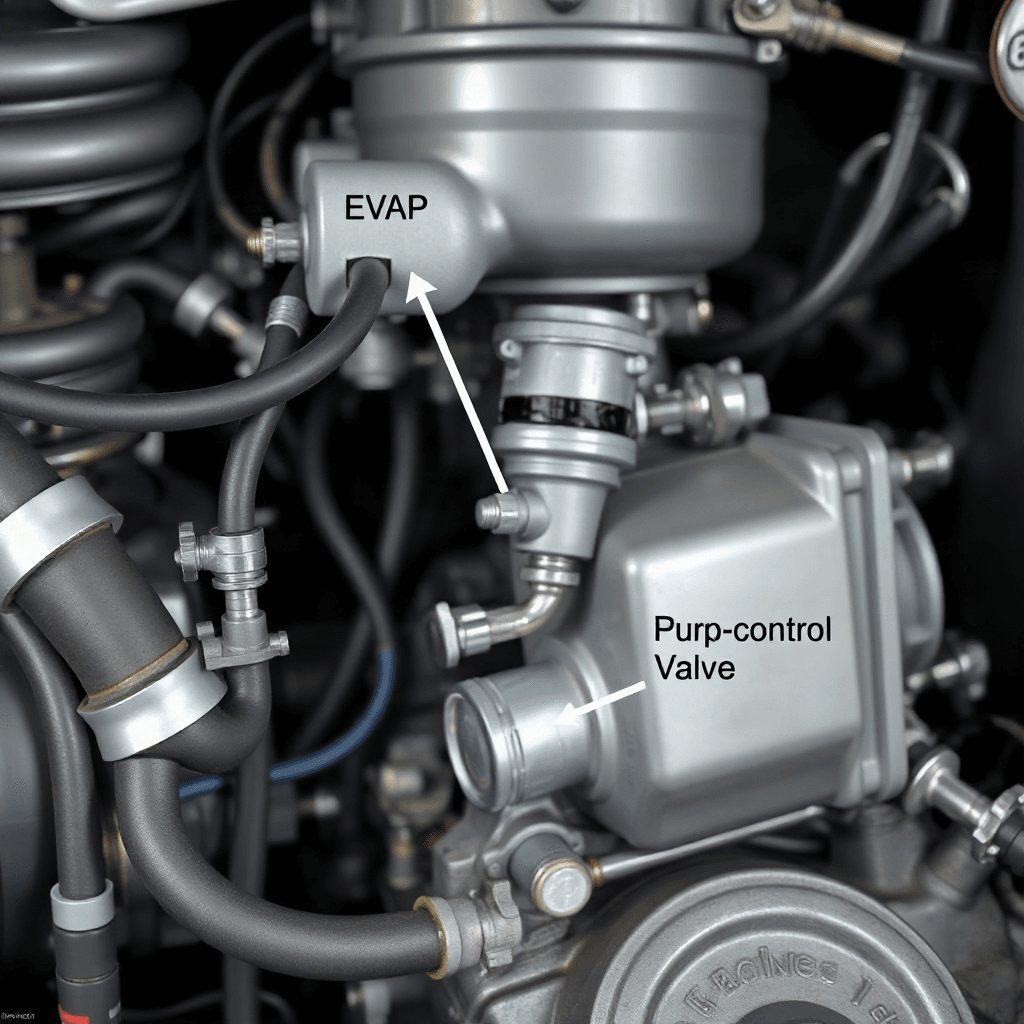
The Evaporative Emission Control System (EVAP) is an essential feature in modern vehicles, designed to prevent fuel vapors from escaping into the atmosphere. It consists of numerous components, each playing a crucial role in maintaining the vehicle’s environmental compliance. The purge-control valve is a pivotal part of this system, responsible for regulating the flow of fuel vapors from the charcoal canister to the intake manifold. When the P0443 code appears, it indicates a malfunction in this circuit, potentially leading to increased emissions and decreased fuel efficiency. Understanding this system’s operation is the first step in diagnosing and solving the problem.
The Role of the Purge-Control Valve
Central to the EVAP system’s functionality is the purge-control valve, an electromechanical device controlled by the car’s onboard computer. This valve opens and closes to allow stored fuel vapors to be drawn into the engine and burned, instead of being released into the atmosphere. A P0443 code implies that there is either an electrical issue within the circuit, a problem with the valve itself, or a fault in the vehicle’s computer. Like a detective piecing together clues, one must methodically test each potential cause to identify the root of the issue.
Diagnosing the P0443 Code
Upon receiving the P0443 code, the first step in diagnosis involves a thorough inspection of the purge-control valve and its associated wiring. Checking for disconnected or damaged wires is crucial, as these are common culprits for this kind of fault. Utilizing a multimeter can help determine if there is electrical continuity in the circuit. Additionally, scanning the vehicle’s computer system for related codes can provide further insight. The process requires patience and attention to detail, much like solving an intricate puzzle.
Testing the Purge-Control Valve
Testing the purge-control valve itself involves removing it from the vehicle and conducting a bench test. This test can confirm whether the valve is opening and closing as it should when voltage is applied. If the valve fails to operate correctly during this test, it may need to be replaced. However, if the valve functions properly, the issue may lie elsewhere in the circuit. This nuanced troubleshooting process underscores the importance of a systematic approach to automotive diagnostics.
Common Causes of Circuit Malfunctions
Several common issues can lead to a P0443 code, beyond a faulty purge-control valve. These include corroded connectors, a blown fuse, or a malfunctioning engine control module (ECM). Each of these elements must be individually examined and tested, requiring a deep understanding of the vehicle’s electrical system. Addressing these potential problems can be time-consuming but is necessary to ensure the vehicle operates efficiently and to prevent future issues.
Preventing Future Emission System Issues
After resolving the P0443 code, taking proactive measures can help prevent recurrence. Regular maintenance of the EVAP system, including checking for leaks and ensuring all components are in good working order, is vital. Staying informed about common issues related to your vehicle model and monitoring for any changes in performance or fuel efficiency can also aid in early detection of problems. By adopting a proactive approach, drivers can keep their vehicles running smoothly and reduce environmental impact.
For those interested in further exploring automotive diagnostics, a deeper dive into the intricacies of other diagnostic trouble codes can be found in our [comprehensive guide].