How to Diagnose P0122 Throttle/Pedal Position Sensor Circuit Low

When your car’s check engine light illuminates, it’s often a cause for concern, and understanding the root of the problem can be daunting. Among the plethora of diagnostic trouble codes (DTCs), the P0122 code stands out, indicating an issue with the Throttle/Pedal Position Sensor Circuit Low. This technical term can sound intimidating, but with a systematic approach, diagnosing and addressing it becomes a manageable task. As we dive into the intricacies of this code, we’ll explore its implications, causes, and the pathways to resolution, all while maintaining a critical eye on the process.
Understanding the Role of the Throttle Position Sensor
The Throttle Position Sensor (TPS) is a crucial component in a vehicle’s engine management system. Its primary function is to monitor the position of the throttle valve, which determines the amount of air entering the engine. This data is essential for the engine control unit (ECU) to adjust the air-fuel mixture and ensure optimal engine performance. A malfunctioning TPS can lead to erratic engine behavior, poor fuel economy, and increased emissions. Understanding the role of the TPS is the first step in diagnosing the P0122 code, as it provides context for why a low input signal can cause such significant issues.
Symptoms of a P0122 Code
When the P0122 code is triggered, several symptoms may manifest, alerting the driver to the underlying issue. Common signs include a noticeable decrease in engine power, hesitation during acceleration, and stalling, particularly at idle. The vehicle may also experience rough idling or a complete inability to start. These symptoms arise because the ECU is receiving inaccurate information about the throttle position, leading to improper air-fuel mixture adjustments. Recognizing these symptoms early can prevent further damage to the engine and associated components, emphasizing the importance of timely diagnostics.
Common Causes of a P0122 Code
Several factors can contribute to the triggering of a P0122 code. The most straightforward cause is a faulty throttle position sensor itself, which might be producing a weak or inconsistent signal. Wiring issues, such as damaged connectors or corroded wires, can also lead to a low voltage reading at the TPS. Additionally, a malfunctioning ECU or issues with the throttle body can contribute to this problem. Identifying the exact cause requires a meticulous approach, often involving a visual inspection and the use of diagnostic tools to trace the fault accurately.
Diagnostic Process for P0122
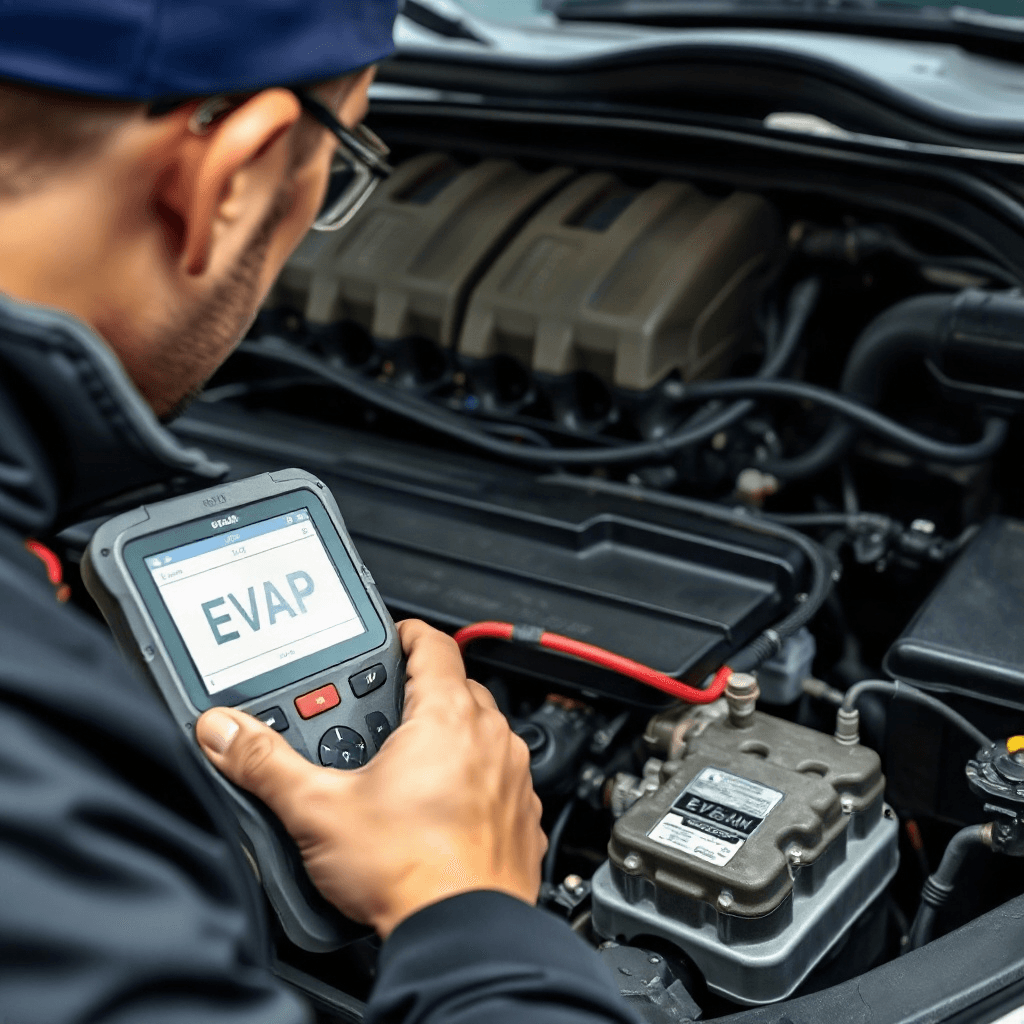
Diagnosing a P0122 code involves a combination of visual inspections and electronic testing. Begin by visually inspecting the TPS and its wiring for obvious signs of damage or corrosion. If no visible issues are present, a multimeter can be used to test the sensor’s voltage output, ensuring it falls within the manufacturer’s specified range. Additionally, a scan tool can provide live data from the ECU, helping to pinpoint the issue more accurately. This step-by-step diagnostic process is essential to avoid unnecessary part replacements and ensure an effective repair.
Solutions and Repairs for P0122
Once the root cause of the P0122 code is identified, appropriate repair actions can be taken. If the TPS is found to be faulty, replacing it with a new, high-quality part is often the best solution. For wiring issues, repairing or replacing damaged connectors and wires will restore proper communication between the sensor and the ECU. In cases where the throttle body or ECU is at fault, further inspection or professional assistance may be required. It’s crucial to verify that the repair has resolved the issue by clearing the code and conducting a test drive to ensure no further symptoms arise.
Preventative Measures and Best Practices
Preventing a P0122 code from reoccurring involves regular maintenance and attention to detail. Keeping the throttle body and its components clean can prevent sensor malfunctions. Regularly inspecting and maintaining the vehicle’s wiring and connectors can also reduce the risk of electrical issues. Additionally, using high-quality replacement parts and adhering to manufacturer specifications during repairs ensures long-term reliability. These preventative measures not only help avoid future diagnostic trouble codes but also contribute to the overall health and efficiency of the vehicle.