P0894 Code: Transmission Component Slipping
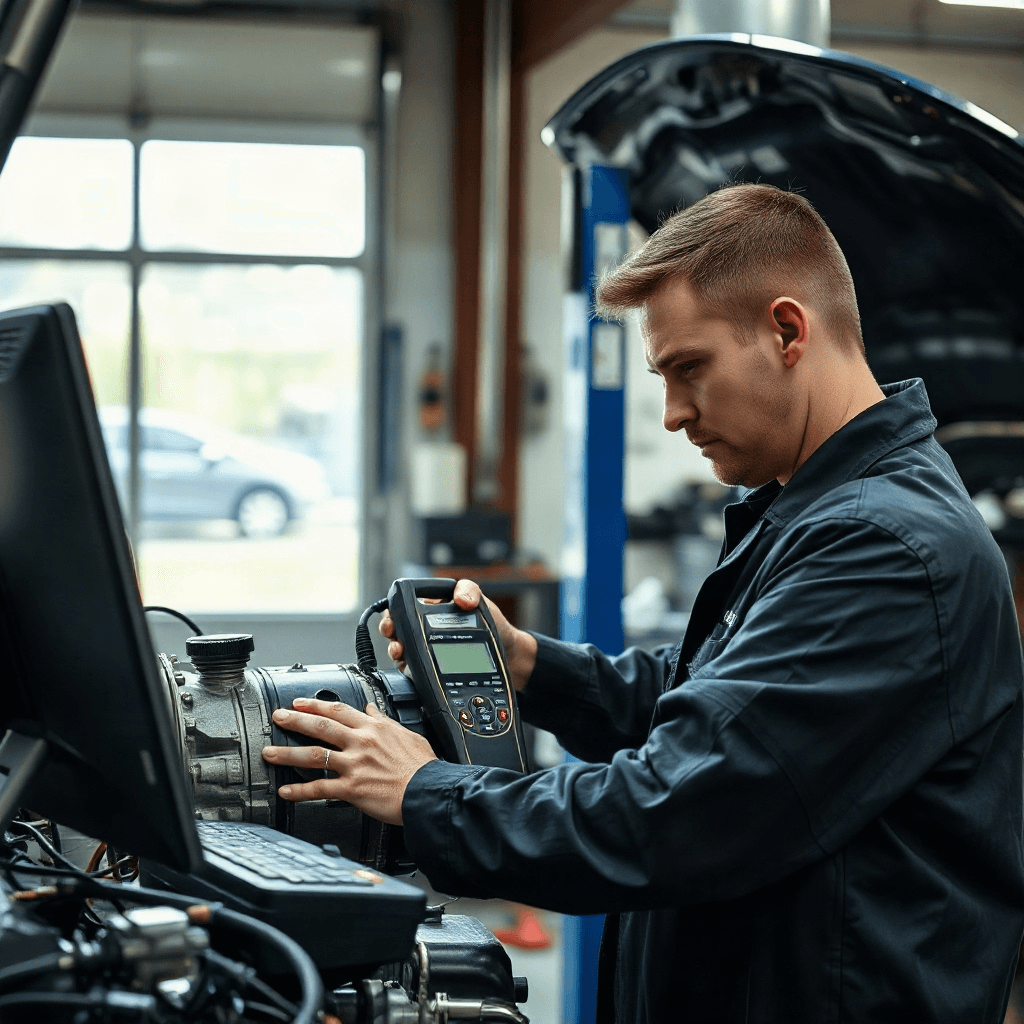
The P0894 diagnostic code is a critical indicator for modern vehicles, pointing to the slipping of transmission components. This issue can significantly affect a vehicle’s performance and reliability, necessitating a thorough understanding of its implications. In this article, we delve into the intricacies of the P0894 code, exploring its causes, diagnosis, and potential remedies. By offering technical insights, this review aims to equip automotive professionals and enthusiasts with the knowledge necessary to address this common yet complicated issue.
Understanding the P0894 Code
The P0894 code is a diagnostic trouble code (DTC) that signals a problem within the transmission system, specifically relating to component slippage. Modern vehicles rely heavily on their transmission systems to transfer engine power to the wheels, ensuring efficient and smooth operation. When components within this system begin to slip, it can lead to a loss of power, reduced fuel efficiency, and increased wear and tear on the vehicle. This code is typically stored in the vehicle’s computer system when it detects irregularities in the transmission’s performance, prompting the need for immediate attention and repair.
Causes of Transmission Component Slipping
Several factors can contribute to the emergence of the P0894 code, each requiring careful examination. Worn-out transmission bands or clutches are common culprits, as they lose the ability to grip effectively, leading to slippage. Additionally, low transmission fluid levels or degraded fluid quality can result in inadequate lubrication and cooling, exacerbating the issue. Faulty solenoids or sensors within the transmission system can also disrupt normal operations, triggering the code. Identifying the root cause is crucial, as addressing the specific issue will prevent further damage and costly repairs in the future.
Diagnosing the P0894 Code
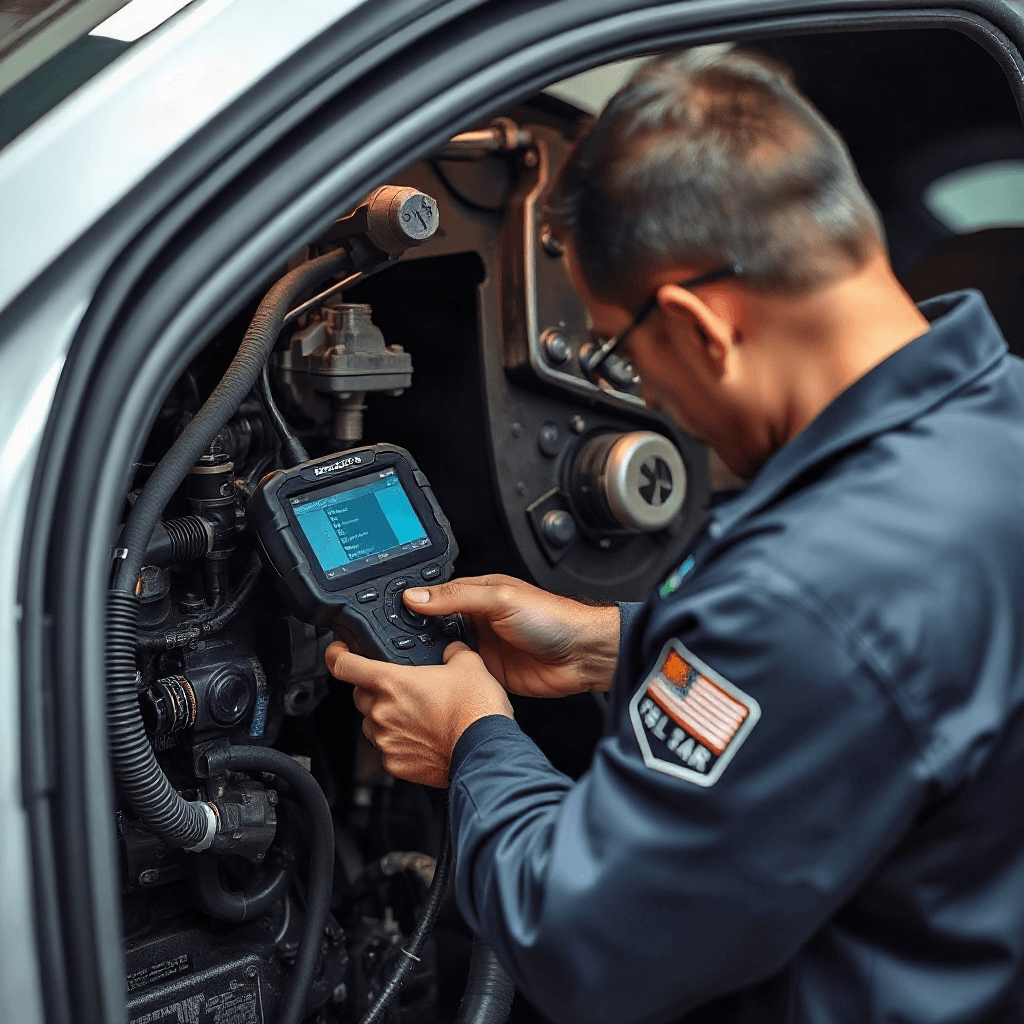
Diagnosing the P0894 code involves a systematic approach to pinpoint the underlying problem. Initially, a technician will use an OBD-II scanner to retrieve the code and any related codes stored in the vehicle’s computer. This step is crucial for understanding the broader context of the issue. A visual inspection of the transmission fluid and components follows, assessing for wear, leaks, or contamination. Advanced diagnostic tools may be employed to test the operation of sensors, solenoids, and other electronic components. By combining these diagnostic techniques, a precise and effective repair strategy can be developed.
Potential Remedies and Solutions
Once the cause of the P0894 code has been identified, appropriate solutions can be implemented to rectify the issue. If the problem stems from worn-out bands or clutches, replacing or adjusting these components may be necessary. Addressing fluid-related issues involves draining and refilling the transmission with high-quality fluid, ensuring optimal lubrication and performance. In cases where sensors or solenoids are malfunctioning, replacement is often the most effective solution. Regular maintenance and inspections can prevent recurrence, safeguarding the transmission’s integrity and longevity.
Implications for Vehicle Performance
The presence of the P0894 code has significant implications for a vehicle’s overall performance. Transmission component slippage can lead to erratic shifting, decreased acceleration, and increased fuel consumption. Over time, these issues can compound, leading to more severe transmission damage and costly repairs. For vehicle owners and technicians alike, understanding the ramifications of this code is essential for maintaining optimal vehicle performance and avoiding unnecessary expenses. Prompt attention to the code can ensure the continued reliability and efficiency of the transmission system.
Preventative Measures and Best Practices
Preventing the occurrence of the P0894 code involves adhering to best practices in vehicle maintenance and operation. Regular transmission fluid checks and changes, as recommended by the manufacturer, play a crucial role in maintaining fluid quality and preventing component wear. Employing gentle driving habits, such as avoiding aggressive acceleration and deceleration, can reduce stress on the transmission system. Additionally, scheduling periodic inspections with a qualified technician can catch potential issues before they escalate, ensuring the longevity and reliability of the vehicle’s transmission components.