P0129 Code: Barometric Pressure Too Low
In the intricate world of automotive diagnostics, the P0129 code, signifying “Barometric Pressure Too Low,” stands as a cryptic signal, akin to a canary in a coal mine. This code is not merely a random sequence of numbers and letters but a crucial indicator of a possible malfunction within the engine’s complex network of sensors. Understanding its implications requires a deep dive into the sophisticated realm of automotive engineering, where every component, from the smallest screw to the largest engine block, plays a vital role. As an automotive critic and expert, I aim to unravel the mysteries behind this enigmatic code and its impact on vehicle performance.
Understanding Barometric Pressure in Vehicles
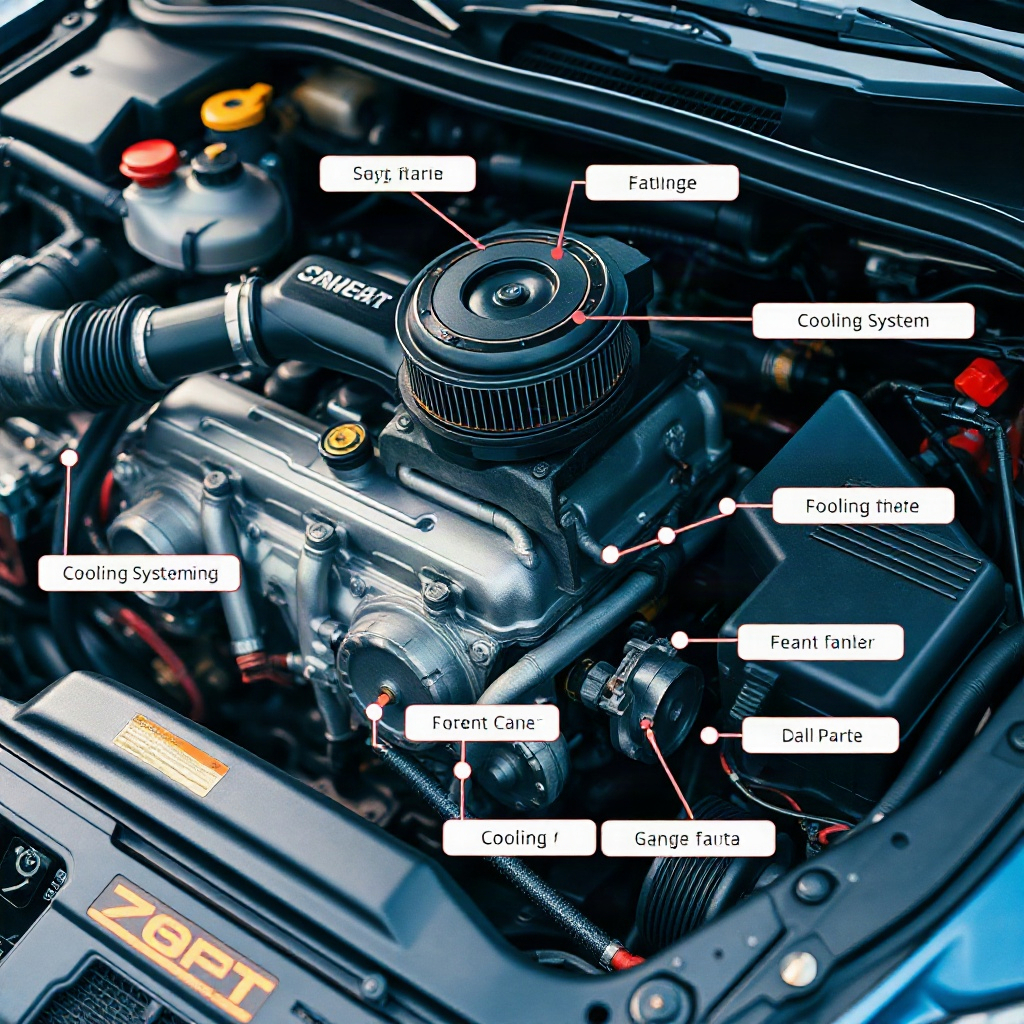
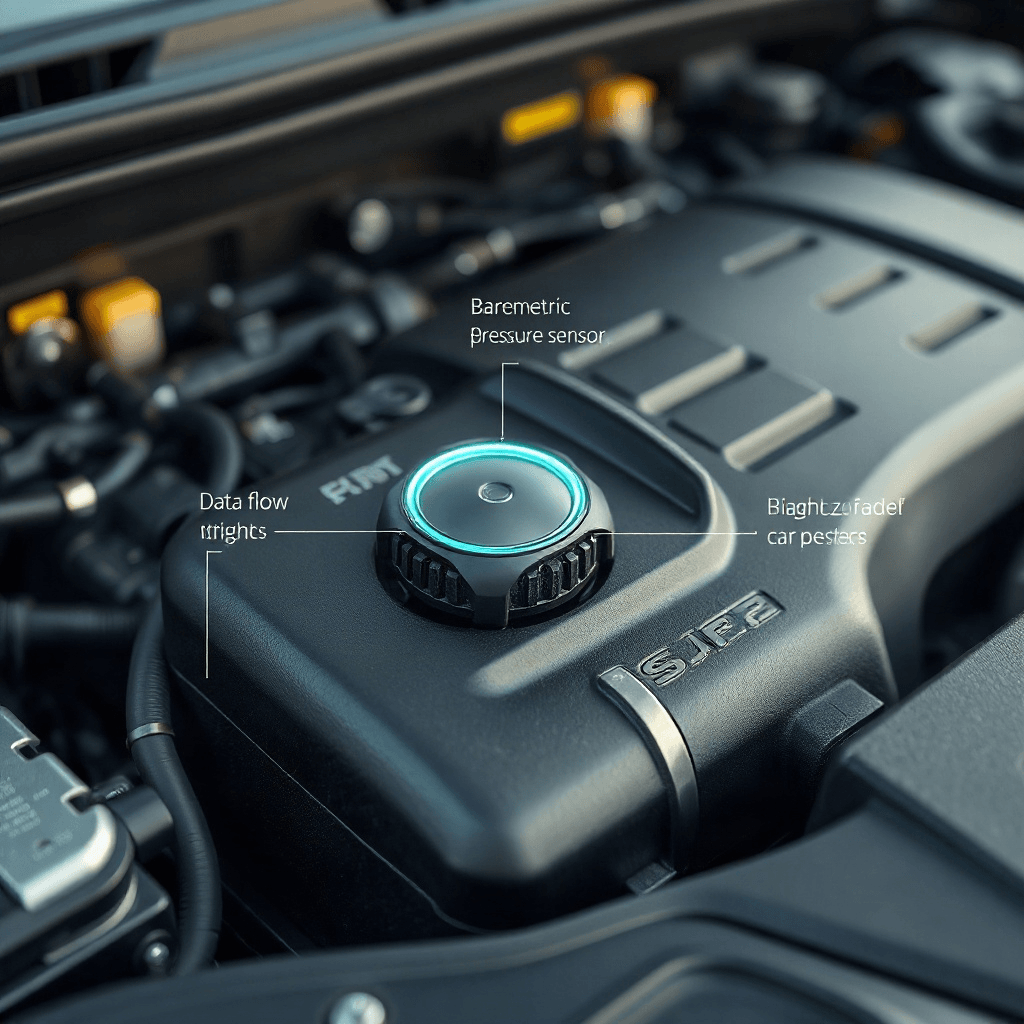
Barometric pressure, commonly referred to as atmospheric pressure, is the force exerted by the atmosphere at a given point. In the realm of automotive technology, barometric pressure sensors are integral in ensuring optimal engine performance. These sensors provide data to the engine control module (ECM), allowing it to adjust fuel mixtures, ignition timing, and other vital parameters. A dip in barometric pressure readings, such as indicated by the P0129 code, can lead to a misjudgment in these adjustments, potentially causing engine knock, reduced power output, or increased emissions. The sensor’s ability to accurately read and relay pressure data is crucial, as it influences the ECM’s decision-making process, ensuring that the vehicle operates efficiently under varying environmental conditions.
Causes of Low Barometric Pressure Readings
The P0129 code can be triggered by a variety of factors, often necessitating a meticulous diagnostic process to pinpoint the root cause. Common culprits include a malfunctioning barometric pressure sensor, wiring issues, or a faulty ECM. Environmental factors, such as sudden altitude changes, can also affect sensor readings, although modern vehicles are generally equipped to handle such fluctuations. A faulty sensor might deliver erratic pressure readings, confusing the ECM and leading to inappropriate engine responses. Similarly, damaged wiring can impede the flow of data from the sensor to the ECM, causing discrepancies in pressure readings. In some cases, a software glitch within the ECM itself might be responsible, requiring an update or reprogramming to resolve the issue.
Implications of Ignoring the P0129 Code
Disregarding the P0129 code can lead to a cascade of problems, as the vehicle’s performance becomes increasingly compromised. The engine may run rich or lean, depending on the erroneous pressure data, leading to increased fuel consumption and emissions. Over time, this imbalance can cause damage to the catalytic converter, spark plugs, and other engine components. The vehicle may also experience poor acceleration, rough idling, and difficulty starting, all of which degrade the driving experience. In severe cases, prolonged ignorance of the P0129 code could result in engine failure, necessitating costly repairs. Therefore, addressing the code promptly is essential to maintaining vehicle health and performance.
Diagnostic Procedures for the P0129 Code
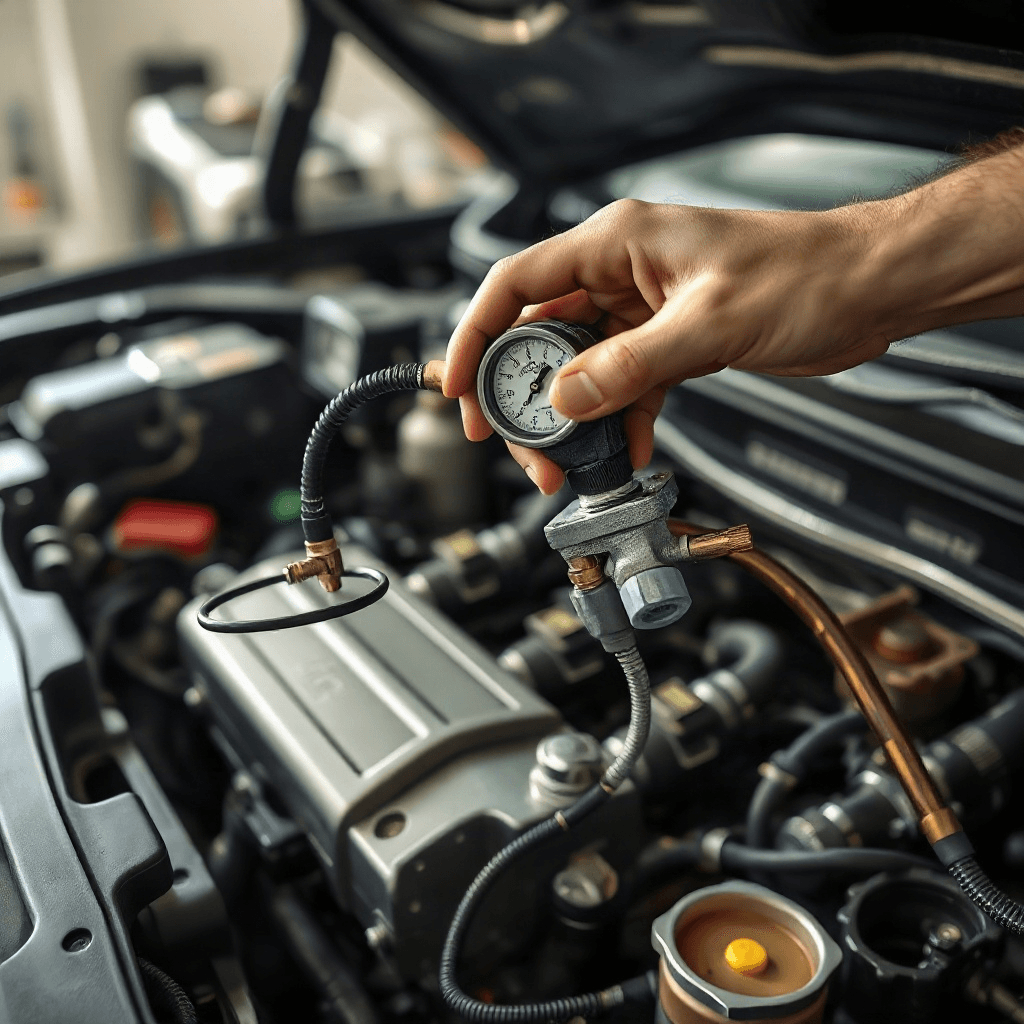
Diagnosing the P0129 code requires a systematic approach, beginning with a thorough inspection of the barometric pressure sensor and its associated wiring. Technicians often utilize advanced diagnostic tools to read and analyze the data from the ECM, cross-referencing it with expected values to identify anomalies. If the sensor is deemed faulty, replacement is usually the most effective solution. However, if wiring issues are detected, repairs or replacements may be necessary to restore proper communication between the sensor and the ECM. In some cases, reprogramming the ECM or updating its software can resolve the issue, especially if the problem stems from a glitch or outdated software.
Preventive Measures and Best Practices
To prevent the recurrence of the P0129 code, regular vehicle maintenance is paramount. Ensuring that the barometric pressure sensor is clean and free of obstructions can help maintain accurate readings. Periodic inspections of the vehicle’s wiring and connectors can also prevent corrosion or damage that might lead to communication errors. Additionally, keeping the ECM software up-to-date with the latest manufacturer updates can prevent software-related issues. Vehicle owners should also be mindful of environmental factors, such as altitude changes, that might temporarily affect sensor readings, although these should self-correct without intervention.
The Future of Automotive Diagnostics
As automotive technology continues to evolve, the precision and complexity of diagnostic systems are expected to increase. Advanced sensors and smarter ECMs promise to improve the accuracy of diagnostics, reducing false positives like the P0129 code. Emerging technologies, such as machine learning and AI, may soon play a role in predictive diagnostics, anticipating potential issues before they manifest. This shift towards proactive maintenance could revolutionize the automotive industry, enhancing vehicle reliability and reducing the frequency of unexpected breakdowns. The P0129 code, while currently a challenge, represents an opportunity for growth and innovation in the field of automotive diagnostics.