How to Compare Engine Coolant Temperature Sensor Readings Before a Cold Start
Understanding the nuances of vehicle maintenance often requires a keen eye and a critical mind, especially when it comes to engine performance. One crucial aspect that often escapes the untrained eye is the evaluation of engine coolant temperature sensor readings before a cold start. This sensor plays a pivotal role in the overall functionality of your vehicle, as it provides vital information to the engine control unit (ECU). Before delving deeper into this technical realm, it’s essential to grasp the significance of these readings in ensuring your vehicle runs smoothly and efficiently. In this narrative, we will explore the intricacies of comparing these readings and why they matter.
The Role of the Engine Coolant Temperature Sensor
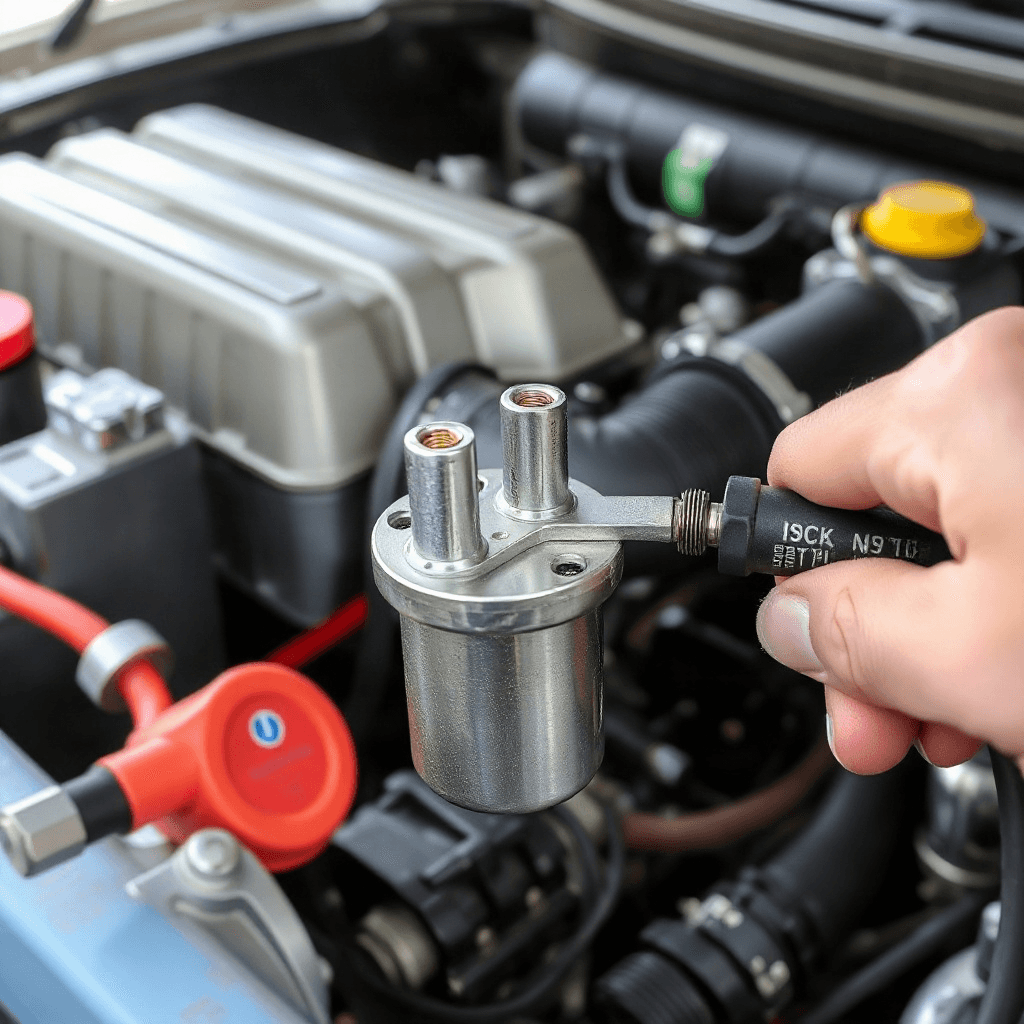
The engine coolant temperature sensor is a vital component in modern vehicles, acting as the sentinel of the cooling system. It essentially monitors the temperature of the engine coolant, relaying this data to the ECU. The ECU, in turn, uses this information to adjust the fuel injection rate, ignition timing, and even the operation of the cooling fan. This sensor ensures that the engine runs at its optimal temperature, preventing it from overheating or running too cold. A malfunctioning sensor can lead to a cascade of issues, including poor fuel economy, increased emissions, and even engine damage. Therefore, understanding its role and functionality is crucial for anyone keen on vehicle maintenance.
Preparing for a Cold Start Analysis
Before diving into the sensor readings, preparation is key. A cold start refers to the first time you start your engine after it has been off for several hours, typically overnight. The ambient temperature and the engine’s state of rest play significant roles in this scenario. To achieve an accurate reading, ensure that your vehicle is parked in a stable environment, away from direct sunlight or extreme weather conditions. Allow the engine to cool completely, as this will provide a true baseline for your sensor analysis. Gathering the necessary tools, such as an OBD-II scanner, is also essential for accessing the ECU’s data effortlessly.
Interpreting Sensor Readings
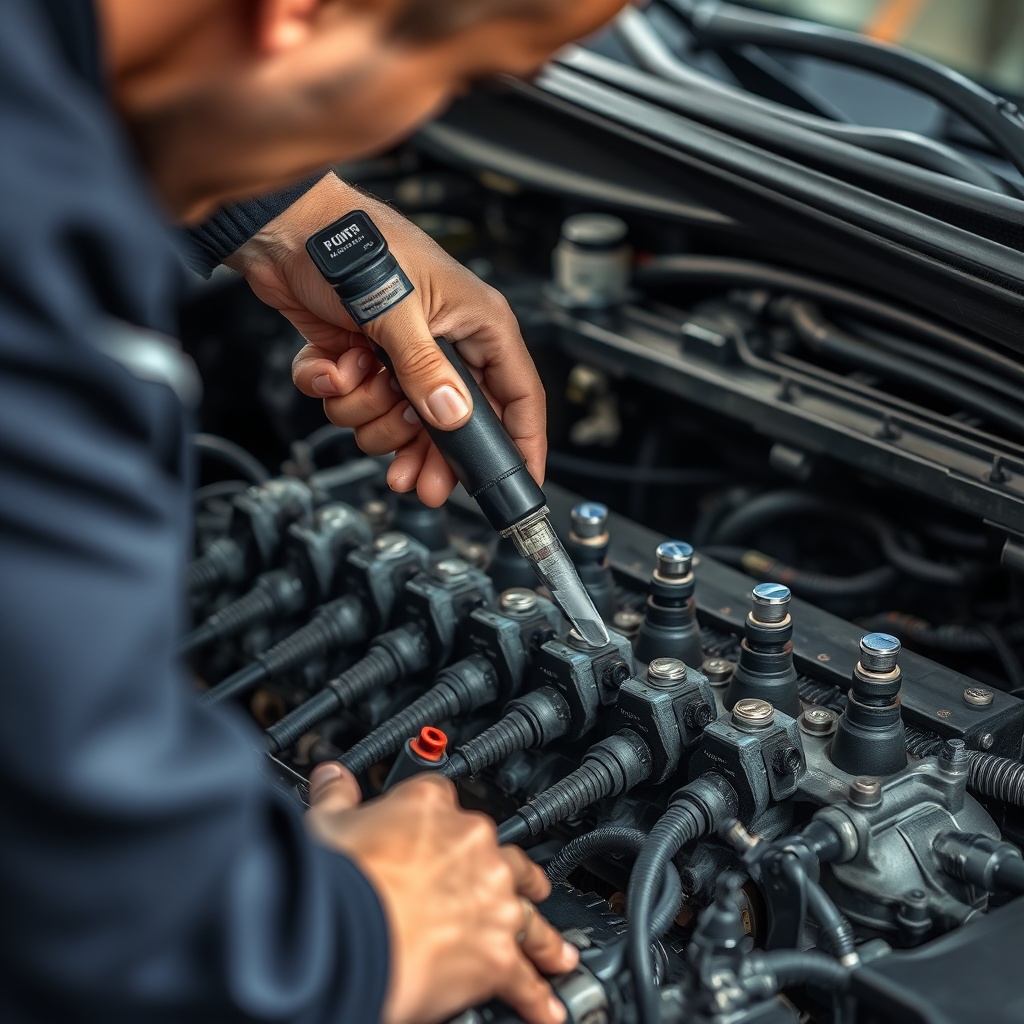
With your vehicle ready, it’s time to delve into the sensor readings. Using the OBD-II scanner, retrieve the temperature data from the engine coolant sensor. Ideally, before starting the engine, the sensor should report a temperature close to that of the ambient surroundings. Any significant deviation could indicate a sensor fault or an external factor affecting the readings. Cross-reference these readings with the manufacturer’s specifications for your vehicle model. Knowing what values to expect can aid in identifying abnormalities early, allowing for timely interventions.
Common Issues and Troubleshooting
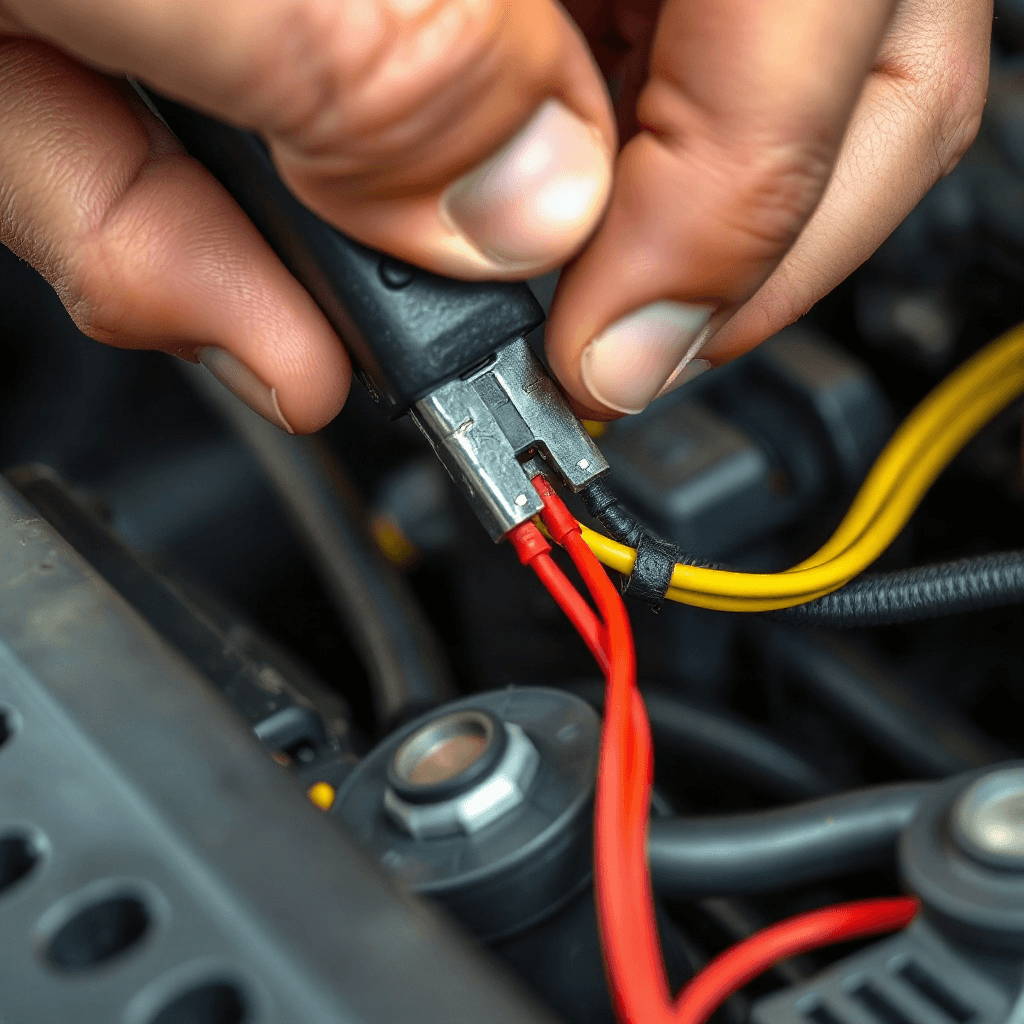
Sensor readings that are inconsistent or far from expected values often signal underlying issues. A common culprit is a faulty sensor, which may need replacement. However, wiring problems or issues with the ECU can also contribute to erroneous readings. A thorough inspection of the sensor’s wiring for any wear or damage is advisable. Moreover, consider checking for any software updates for the ECU, as manufacturers frequently release patches to fix known bugs. These steps can often mitigate problems without the need for complex repairs.
Importance of Regular Maintenance
Regular maintenance is the cornerstone of a well-functioning vehicle. Periodically checking the engine coolant temperature sensor, along with other critical components, can prevent costly repairs down the line. Establishing a routine check-up schedule helps in catching potential issues before they escalate. Maintenance should include visual inspections, sensor readings analysis, and ensuring that the coolant levels and quality are up to par. These practices not only enhance performance but also extend the lifespan of your vehicle’s engine.
Making Sense of Sensor Technology Advances
The evolution of sensor technology has substantially enhanced engine performance diagnostics. Modern sensors provide more accurate readings, thanks to advancements in materials and design. Innovations like digital sensors offer increased reliability and precision, reducing the likelihood of erroneous data. Staying informed about these developments can be advantageous, as upgrading to a more advanced sensor could improve your vehicle’s efficiency and effectiveness. Embracing these technological advancements is a step towards more informed vehicle maintenance and performance optimization.
For more insights on vehicle maintenance, consider exploring our [comprehensive guide] on engine performance tips.