How to Use a Bidirectional Scan Tool to Test Relays and Actuators
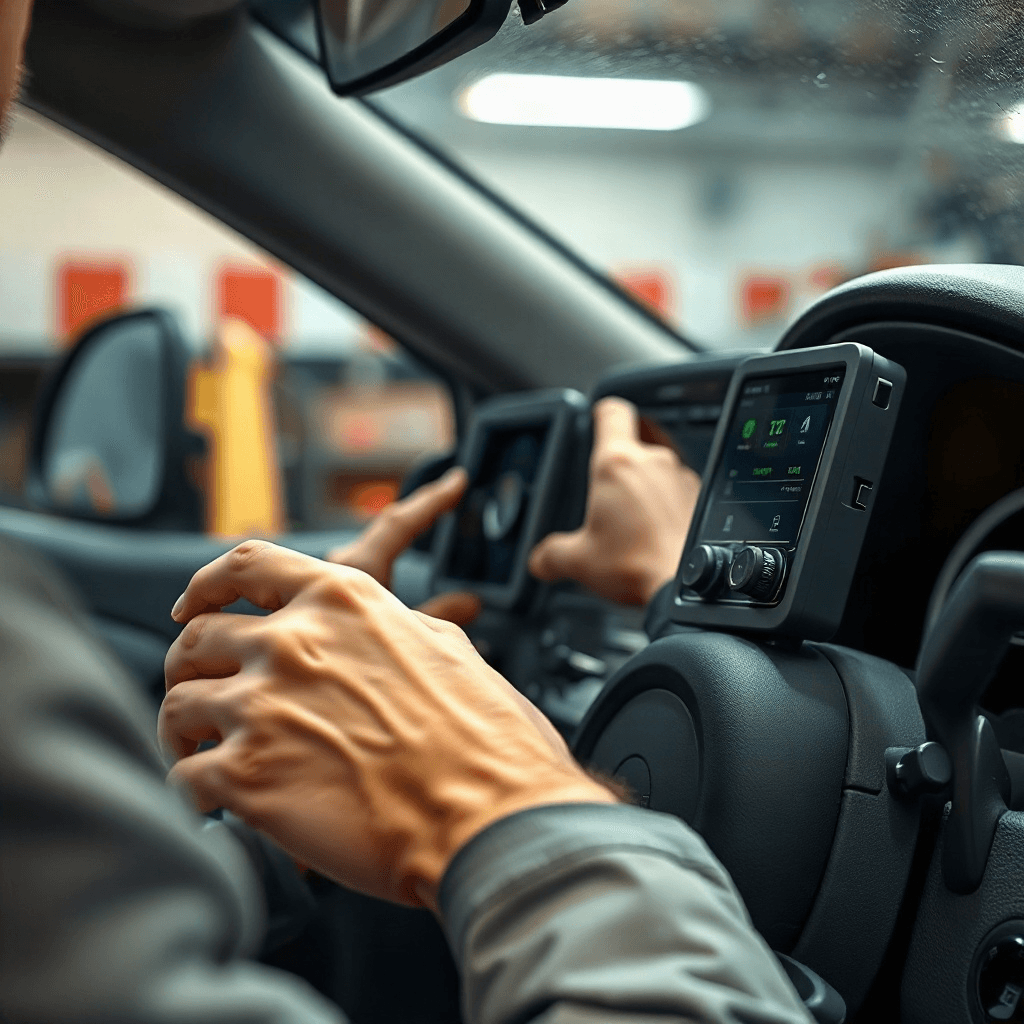
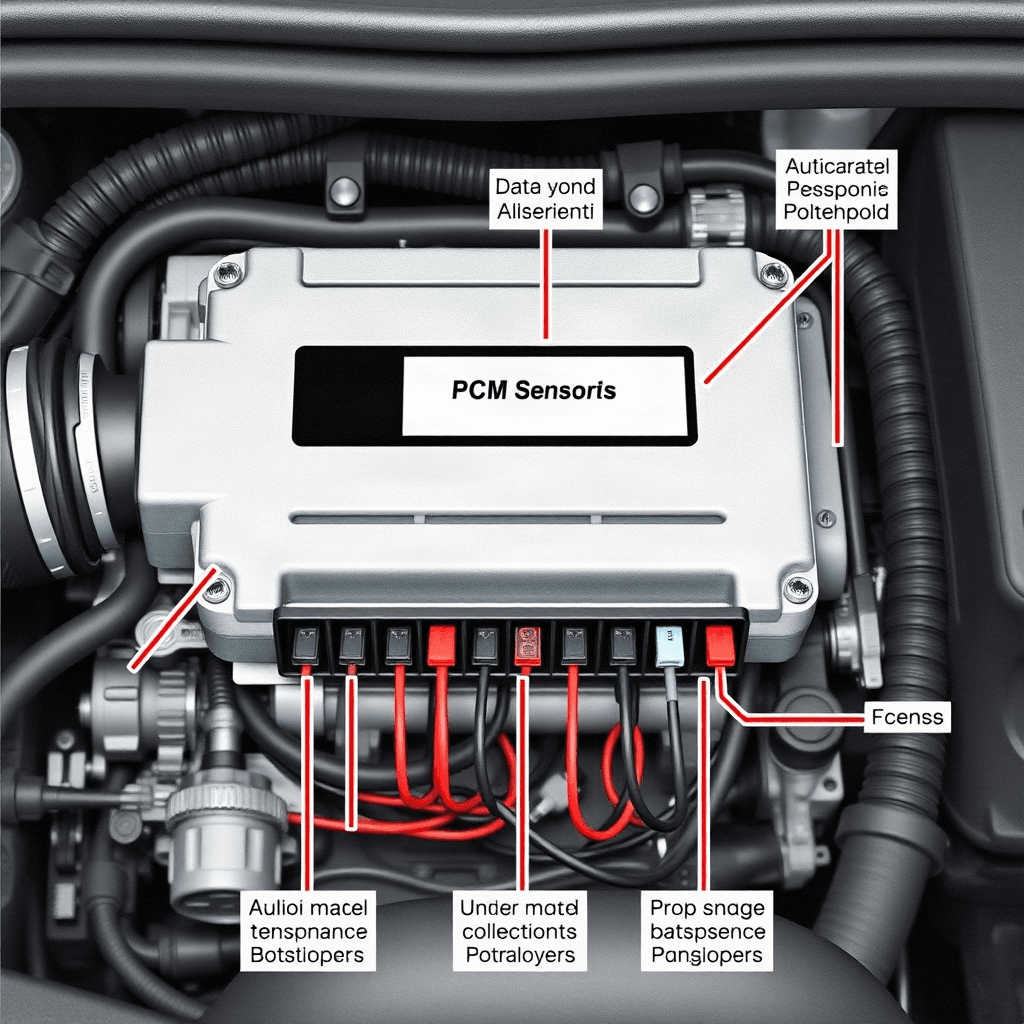
Bidirectional scan tools are essential devices for automotive technicians aiming to enhance their diagnostic capabilities. These tools enable users to communicate with a vehicle’s onboard systems, allowing them to perform various tests and operations on relays and actuators. They provide a two-way communication channel, which means they can both send commands to and receive data from the vehicle’s systems. This makes diagnosing electrical and mechanical issues much more efficient. In this guide, they will learn how to effectively use a bidirectional scan tool to test relays and actuators, ensuring their vehicle runs smoothly and efficiently.
Understanding Bidirectional Scan Tools
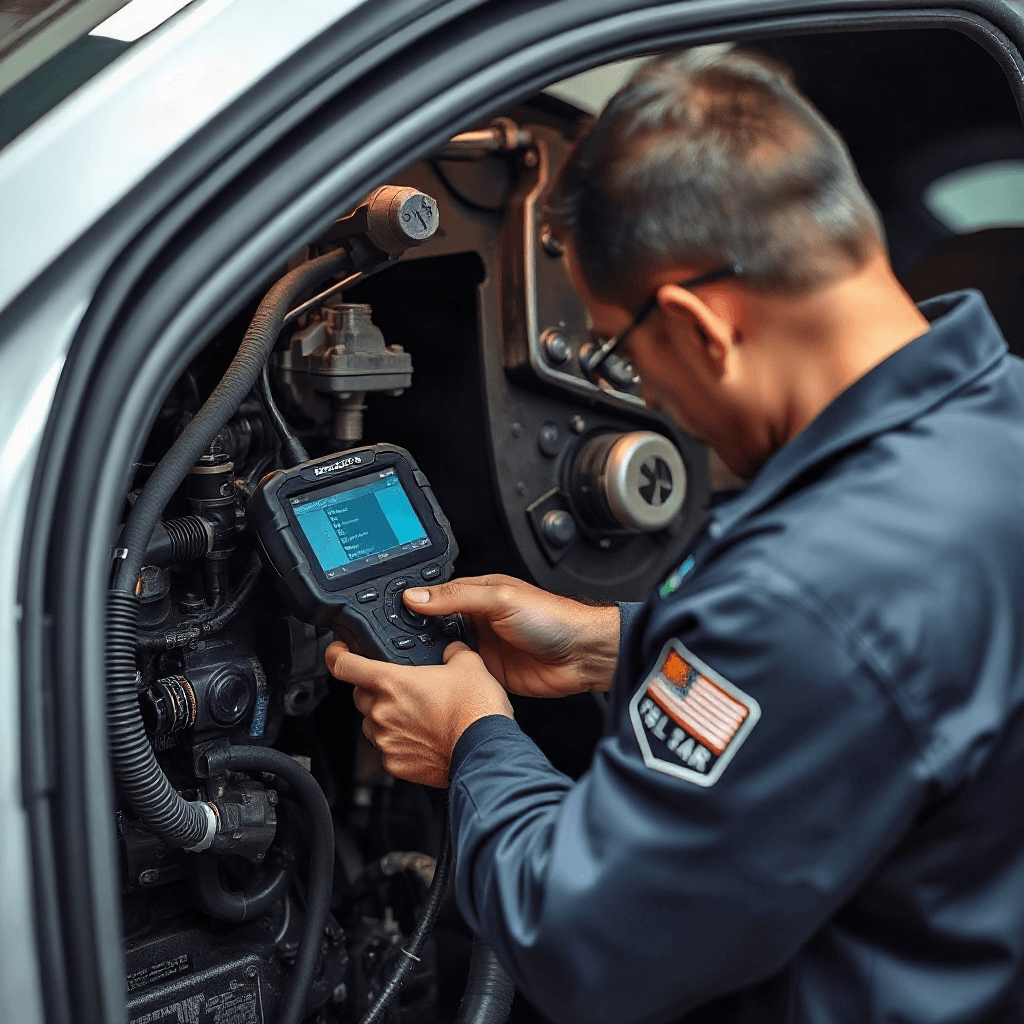
Before diving into testing, it’s crucial for them to understand what a bidirectional scan tool is and how it functions. These tools are advanced diagnostic devices that allow for two-way communication with a vehicle’s electronic control units (ECUs). Unlike basic code readers, bidirectional scan tools can send commands to the vehicle to perform various functions, such as activating components or retrieving live data streams. This capability makes them invaluable for diagnosing complex issues that require more than just reading trouble codes. By understanding the capabilities and limitations of their scan tool, they can maximize its potential in troubleshooting and repairing vehicle systems.
Preparing for the Test
Preparation is key when using a bidirectional scan tool for testing relays and actuators. They should first ensure that the vehicle is in a safe working environment, with the engine turned off and the keys removed from the ignition. They should gather any necessary safety equipment, such as gloves and goggles, to protect themselves during the process. It’s also important to have the vehicle’s service manual on hand, as it contains vital information about the location and function of various components. By taking the time to prepare adequately, they can avoid potential safety hazards and ensure a smooth testing process.
Connecting the Scan Tool
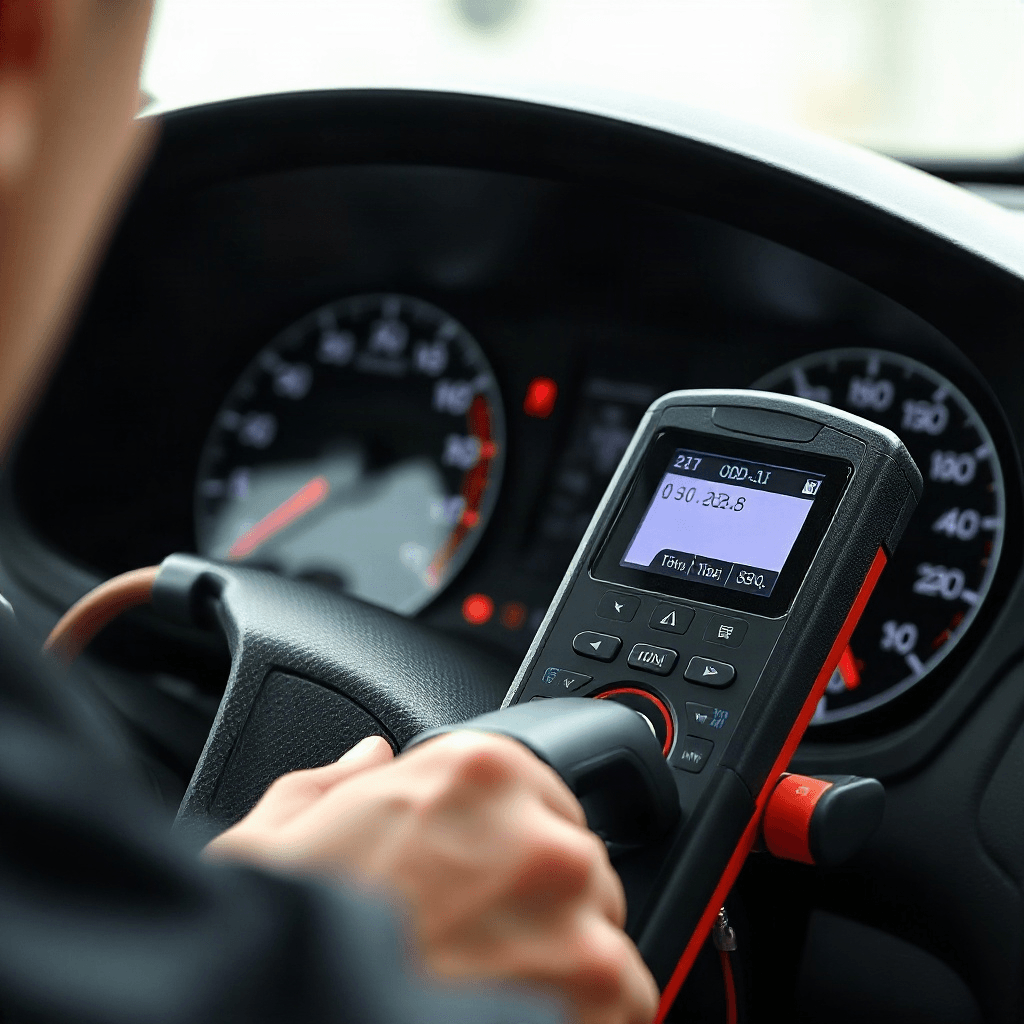
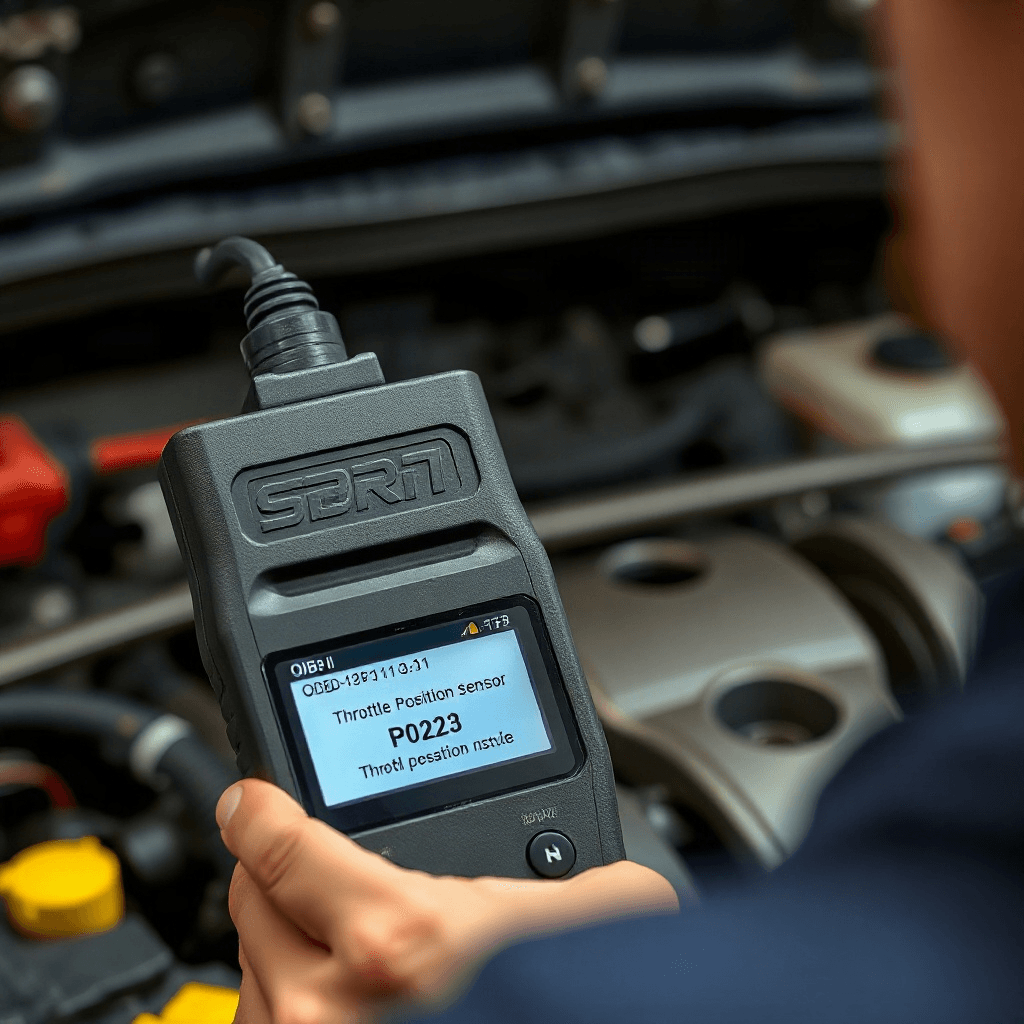
Once they are prepared, the next step is to connect the bidirectional scan tool to the vehicle. They will need to locate the OBD-II port, which is typically found under the dashboard on the driver’s side. After plugging in the tool, they should power it up and allow it to establish a connection with the vehicle’s onboard systems. This process may take a few moments, during which the tool will identify the vehicle’s make, model, and year. Once connected, they will have access to the vehicle’s ECUs and can begin the diagnostic process. Ensuring a secure and stable connection is crucial for accurate testing and reliable results.
Testing Relays
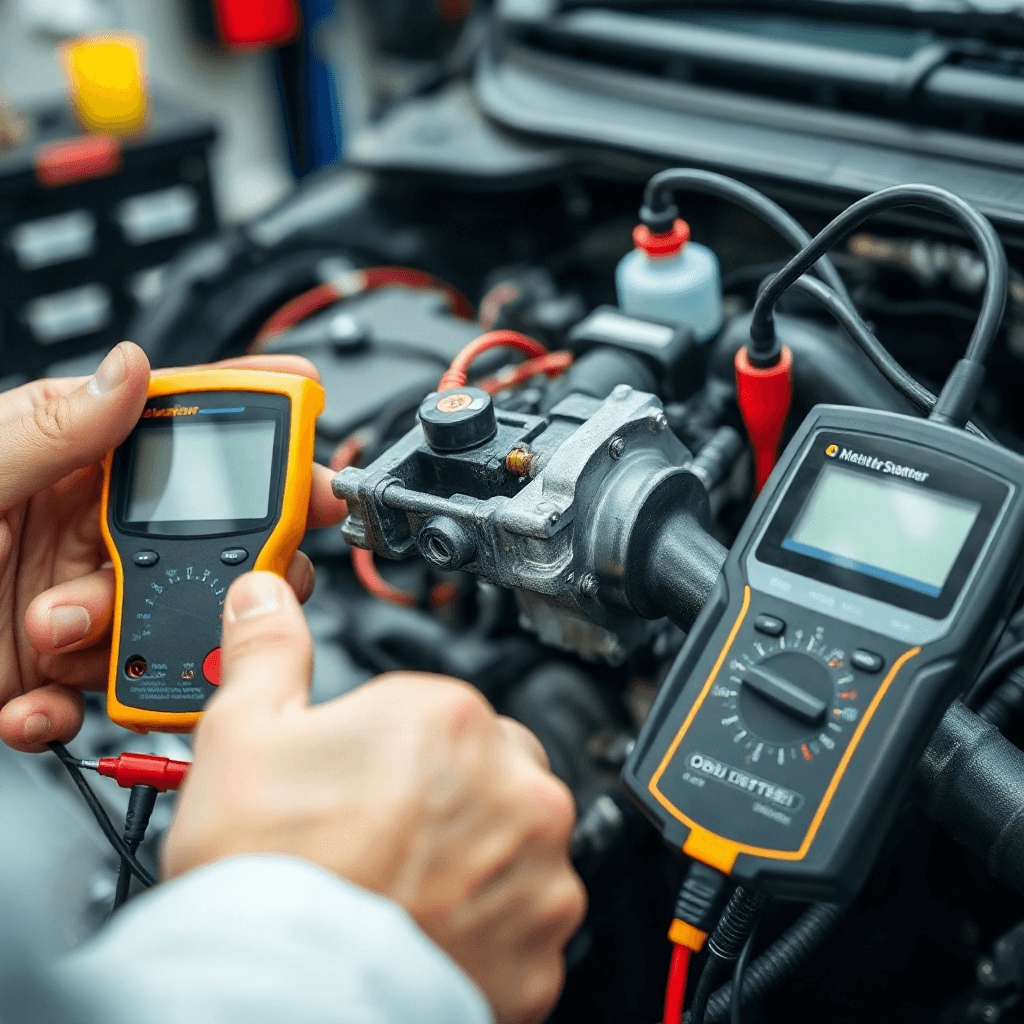
Relays play a vital role in a vehicle’s electrical system by controlling high-current circuits with low-current signals. To test relays using a bidirectional scan tool, they should first identify the specific relay they wish to test, as indicated in the service manual. Using the scan tool’s interface, they can send commands to activate or deactivate the relay, observing its response and any associated sound or movement. A functional relay will respond immediately, while a faulty one may exhibit delayed responses or fail to activate altogether. By systematically testing each relay, they can pinpoint issues that might be affecting the vehicle’s performance.
Diagnosing Actuators
Actuators are responsible for converting electrical signals into mechanical actions, such as opening a throttle or moving a window. To diagnose actuators with a bidirectional scan tool, they should select the specific actuator from the tool’s menu and run various tests to assess its operation. The tool can command the actuator to perform specific movements or positions, while they observe its accuracy and responsiveness. Any deviation from expected behavior may indicate a problem with the actuator or the electrical signals it receives. By thoroughly testing each actuator, they can ensure the vehicle’s mechanical systems are operating as intended.
Final Considerations and Maintenance
After completing the tests, they should review the results and make any necessary repairs or adjustments to the vehicle’s systems. It’s important to regularly maintain both the bidirectional scan tool and the vehicle to prevent future issues. They should update the tool’s software periodically to ensure compatibility with the latest vehicle models and features. Additionally, keeping the vehicle’s electrical system in good condition will enhance the tool’s effectiveness in diagnostics. By incorporating these practices into their routine maintenance, they can extend the life of their vehicle and ensure reliable performance.