C-Codes Explained: How Chassis Trouble Codes Differ from P-Codes
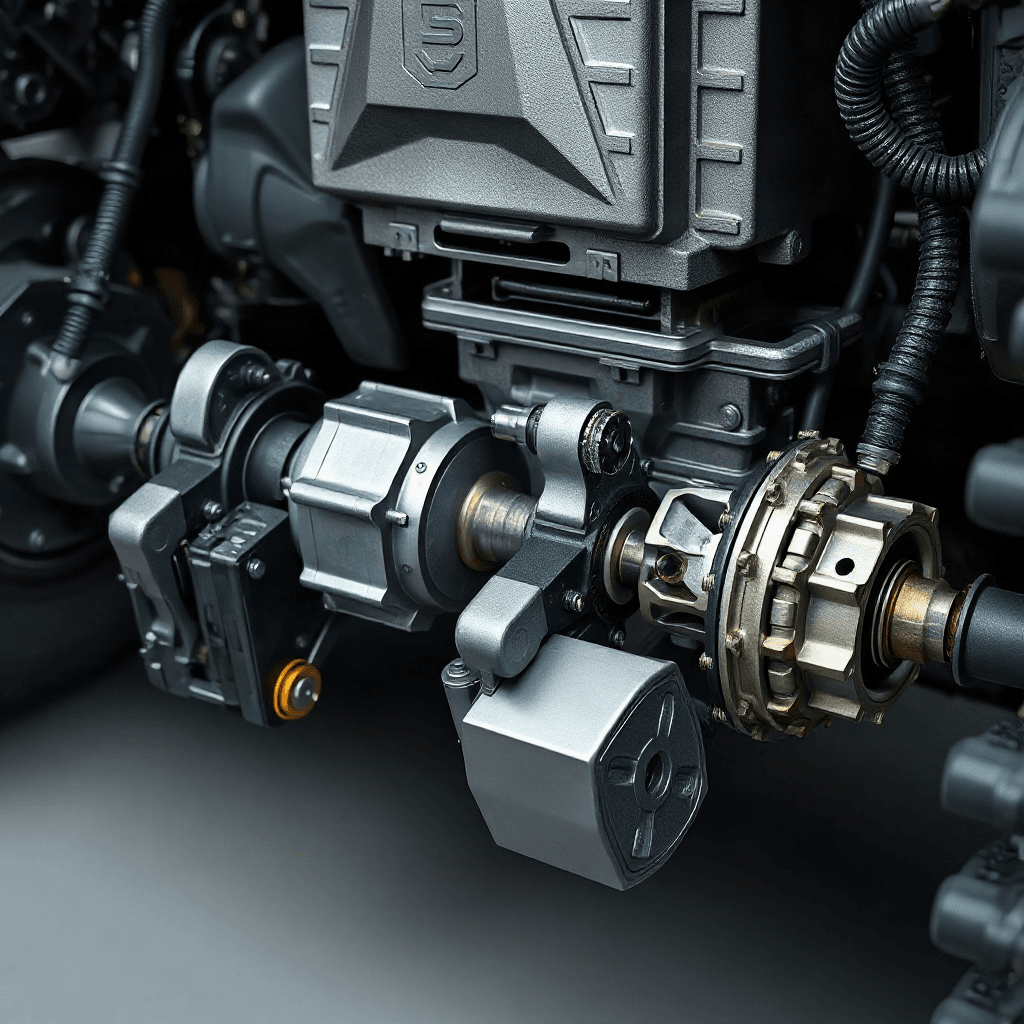
In the complex world of automotive diagnostics, understanding the nuances between different types of trouble codes is crucial for professionals and enthusiasts alike. Chassis trouble codes, commonly known as C-codes, play a pivotal role in identifying issues specifically related to a vehicle’s chassis system. Unlike P-codes, which are predominantly concerned with powertrain problems, C-codes focus on the structural and mechanical components of a vehicle, such as the suspension, steering, and brake systems. This article delves into the distinctions between C-codes and P-codes, emphasizing the significance of each in vehicle diagnostics, and highlights the importance of accurate interpretation for effective problem resolution.
Understanding Chassis Trouble Codes
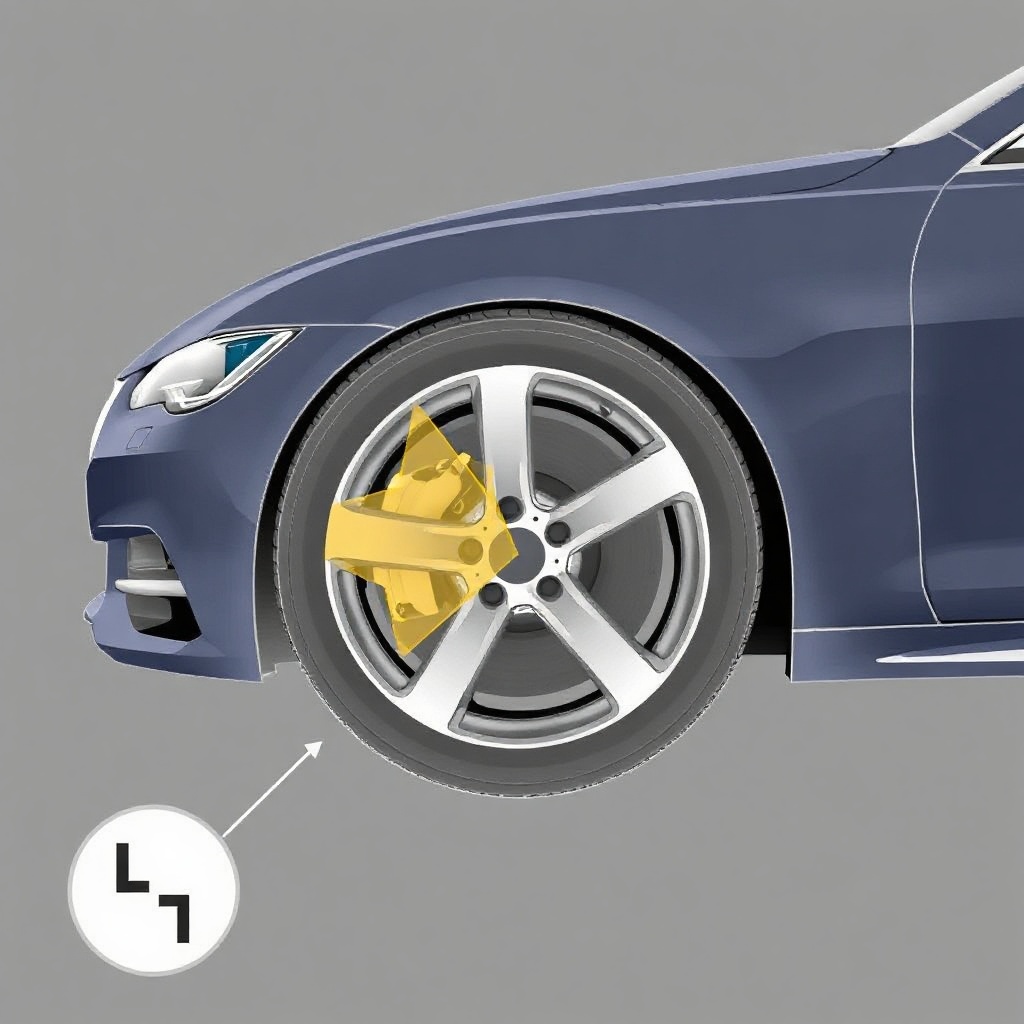
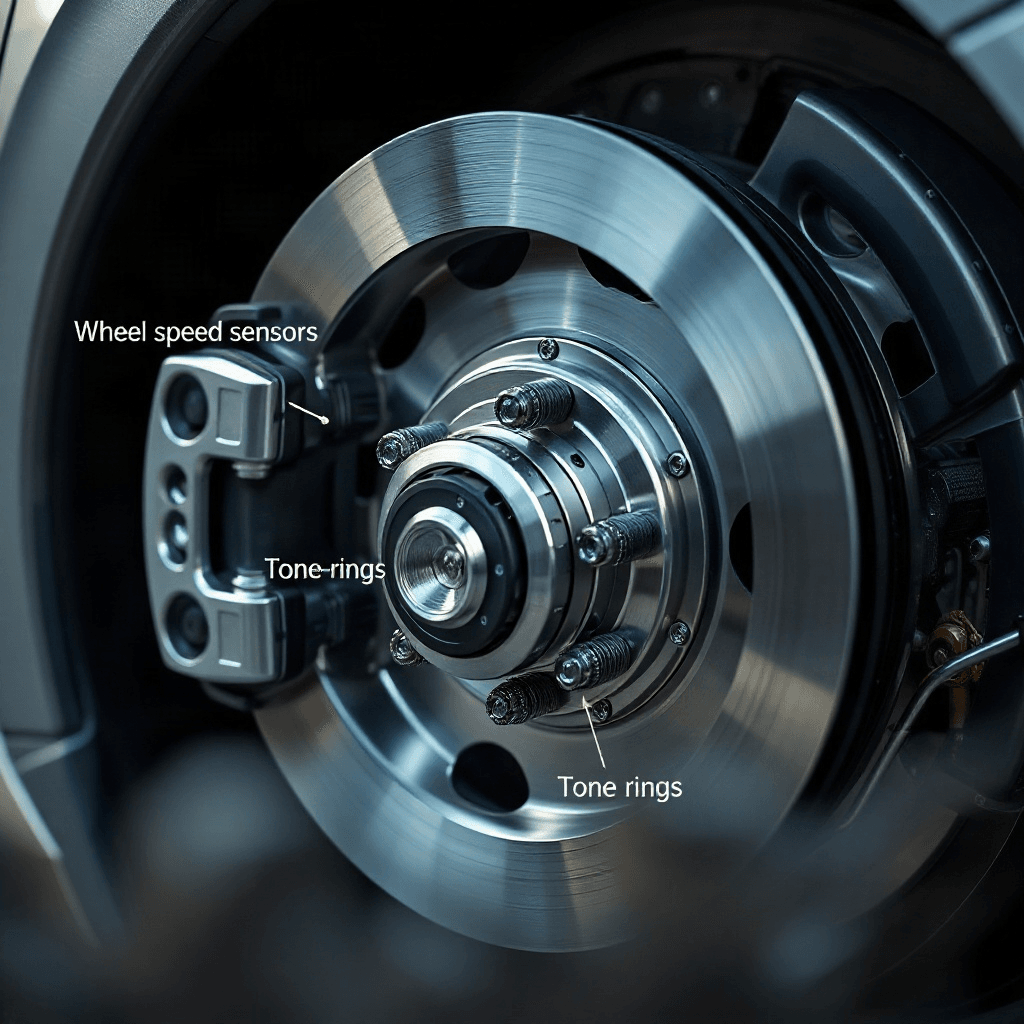
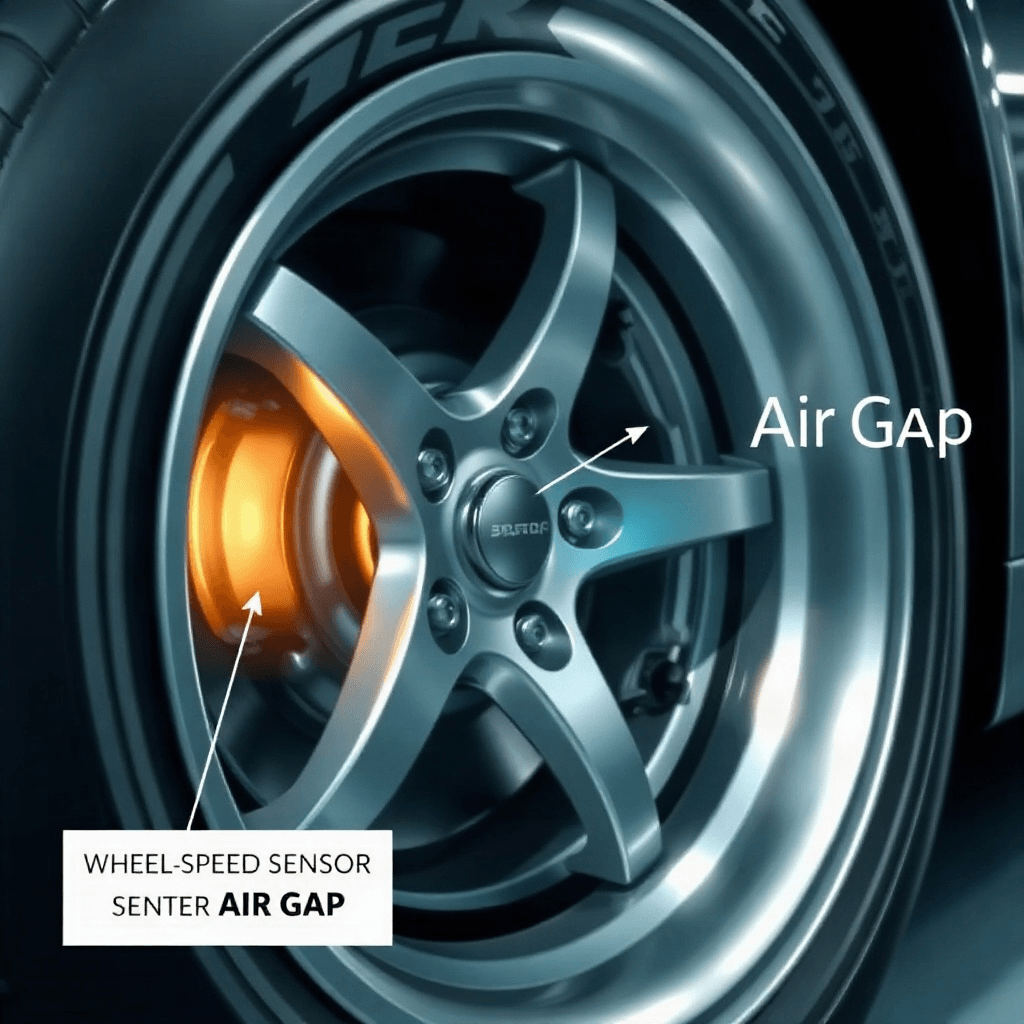
Chassis trouble codes, or C-codes, are integral to the diagnostic process for identifying issues within a vehicle’s chassis system. These codes are generated when a vehicle’s onboard diagnostics system detects a malfunction in components such as the suspension, steering, or braking systems. Unlike powertrain codes, which are often more prominently discussed, C-codes specifically address the health and performance of the vehicle’s structural elements. For example, a C-code might indicate an issue with the vehicle’s anti-lock braking system, which is crucial for safe operation. Understanding these codes requires a thorough knowledge of the vehicle’s mechanics and an ability to interpret the codes accurately to ensure effective repairs and maintenance.
The Role of P-Codes in Diagnostics
While C-codes focus on the chassis, P-codes are dedicated to the powertrain, encompassing the engine and transmission systems. These codes are typically more familiar to drivers and mechanics due to their frequent occurrence in diagnostics. P-codes can indicate a wide range of issues, from engine misfires to transmission failures. The primary distinction lies in their area of focus; while P-codes diagnose issues that affect the vehicle’s power and drivability, C-codes target the stability and control aspects. Understanding the interplay between P-codes and C-codes is essential for comprehensive vehicle diagnostics, as issues in one area can often lead to problems in the other, highlighting the interconnected nature of modern automotive systems.
Diagnostic Tools and Techniques
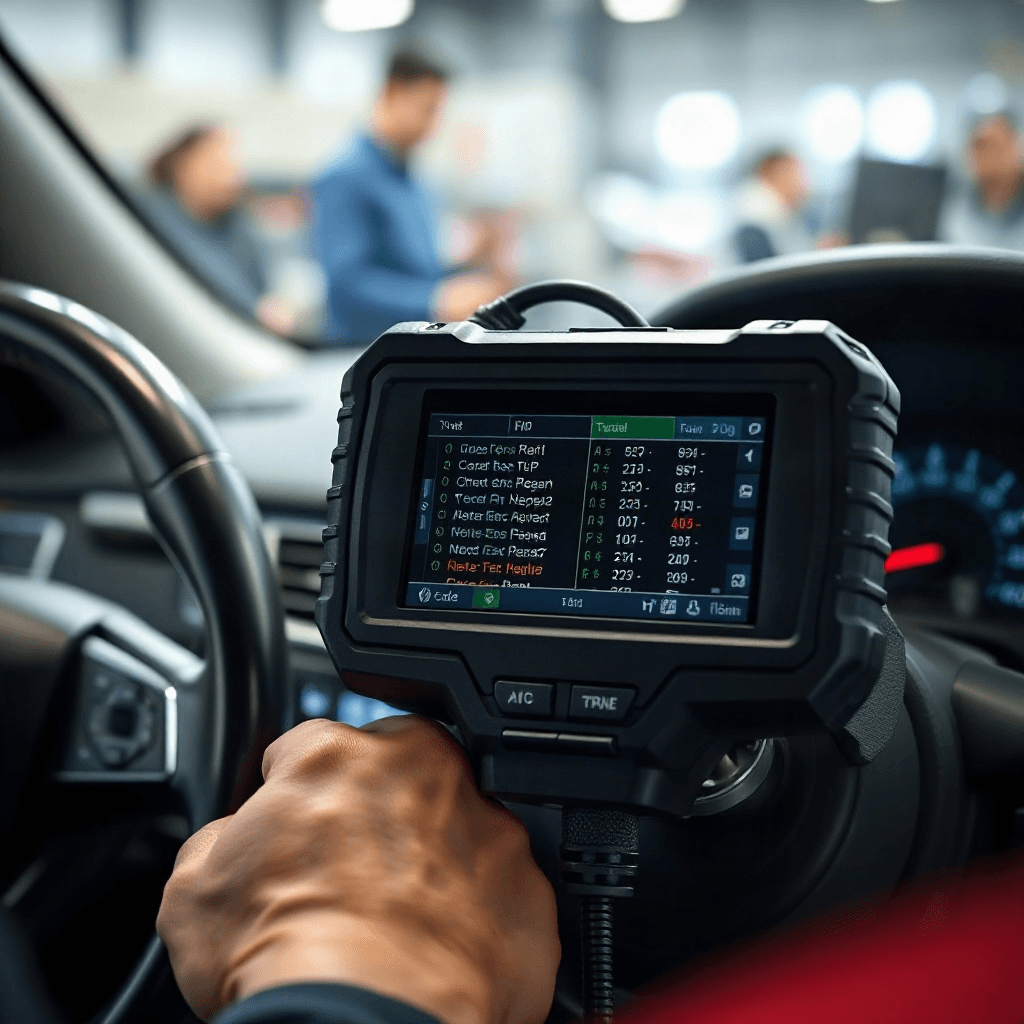
Effective diagnosis of chassis-related issues requires specialized tools and techniques. Automotive professionals utilize advanced diagnostic scanners capable of reading both C-codes and P-codes to provide a complete picture of the vehicle’s health. These scanners translate the codes into actionable insights, allowing mechanics to pinpoint and address specific issues. However, the complexity of modern vehicles necessitates more than just code reading; it requires an in-depth understanding of vehicle systems and the ability to interpret subtle symptoms that might not trigger a code. Therefore, continuous training and education are vital for professionals in the field to stay abreast of evolving technologies and diagnostic methods.
Interpreting C-Codes Accurately
Accurate interpretation of C-codes is crucial for effective repairs and ensuring vehicle safety. Misinterpretation can lead to unnecessary repairs or overlooked issues, potentially compromising vehicle performance. Mechanics must not only rely on the diagnostic codes but also consider the context in which they appear. For instance, a C-code related to a suspension issue might be accompanied by noticeable changes in vehicle handling or abnormal noises. By combining code analysis with empirical observations, technicians can make informed decisions and prioritize repairs appropriately. The ability to discern the severity and implications of a C-code is a skill that sets apart seasoned professionals from novices in the automotive repair industry.
The Importance of Comprehensive Diagnostics
In an era where vehicles are becoming increasingly sophisticated, comprehensive diagnostics are more important than ever. A holistic approach that considers both C-codes and P-codes ensures that all potential issues are addressed, thereby enhancing vehicle performance and safety. Ignoring chassis codes can lead to significant safety hazards, as issues with the suspension, steering, or brakes directly impact the vehicle’s control and stability. Therefore, integrating C-code diagnostics into regular maintenance routines is imperative for preventing accidents and prolonging the lifespan of the vehicle. This comprehensive approach not only benefits vehicle owners by reducing long-term costs but also contributes to safer road conditions for all users.
Future Trends in Automotive Diagnostics
The future of automotive diagnostics is poised for transformative changes with the advent of artificial intelligence and machine learning technologies. These advancements promise to revolutionize the way C-codes and P-codes are diagnosed and interpreted. AI-driven diagnostic tools will potentially offer real-time analysis and predictive maintenance capabilities, allowing for preemptive repairs before issues escalate. As vehicles continue to integrate more complex electronic systems, the ability to accurately and efficiently diagnose issues will become increasingly critical. Embracing these technological advancements will be essential for the automotive industry to meet the demands of modern drivers and ensure the continued safety and reliability of vehicles on the road.