How to Check a Bad Engine Ground Before Replacing Sensors or Modules

Maintaining a vehicle’s electrical system is crucial for its optimal performance and longevity. Many drivers mistakenly replace sensors or modules when faced with electrical problems, only to find that the issue persists. One often overlooked area is the engine ground, which plays a critical role in ensuring that electrical components function correctly. Before you spend time and money replacing expensive parts, it’s wise to check the engine ground—the critical link between your vehicle’s electrical system and the chassis. In this guide, we’ll explore how to effectively diagnose a bad engine ground, saving you from unnecessary repairs.
Understanding the Importance of Engine Ground
The engine ground is essentially the foundation of your vehicle’s electrical system. It provides a pathway for electrical current to return to the battery, completing the circuit needed for electronic components to operate. Without a proper engine ground, you may experience starting issues, dim lights, or erratic sensor readings. A poor ground can lead to resistance build-up, causing a voltage drop that affects the efficiency of your vehicle’s electronics. Recognizing the signs of a faulty ground is the first step in troubleshooting electrical issues that might otherwise lead you to replace functioning sensors or modules.
Symptoms of a Poor Engine Ground
Identifying the symptoms of a poor engine ground can be straightforward if you know what to look for. Common indicators include flickering headlights, intermittent dashboard warnings, and unexplained battery drain. You might also notice that your vehicle is hard to start or experiences frequent stalling. These symptoms occur because the electrical system is not receiving the power it needs to function correctly. Conducting a thorough inspection of your vehicle’s grounding points can highlight areas where the connection is weak or corroded, guiding you toward a solution that doesn’t involve unnecessary part replacements.
Tools Needed for Diagnosing Ground Issues
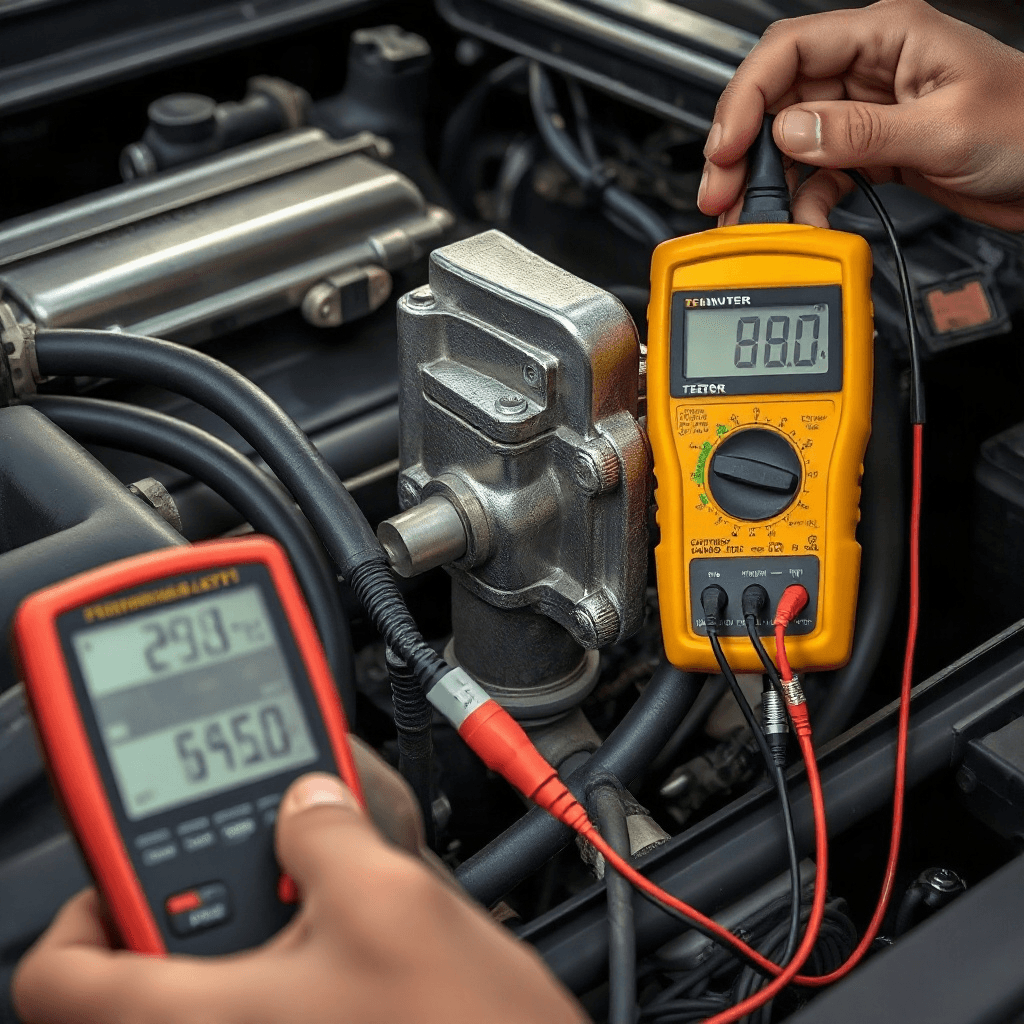
Before you begin diagnosing engine ground issues, it’s important to gather the right tools. A digital multimeter is essential for measuring voltage, resistance, and continuity, providing insight into the condition of your electrical connections. Additionally, a wire brush or sandpaper can help clean corroded terminals or connectors, ensuring a solid connection. Safety gear, such as gloves and goggles, should be worn to protect against accidental sparks or battery acid exposure. With these tools on hand, you’ll be well-equipped to carry out a thorough examination of your engine’s grounding system.
Performing a Visual Inspection
Start your diagnosis with a visual inspection of the engine ground connections. Locate the ground strap, typically a flat braided wire connecting the engine block to the chassis. Look for signs of wear, corrosion, or damage that could interfere with the connection. Check for loose bolts or frayed wires that might compromise the grounding. If you spot any issues, clean the connections using a wire brush to remove rust or corrosion. Tighten any loose connections to ensure a secure fit, which can often resolve electrical issues without further intervention.
Testing for Continuity and Resistance
Using a digital multimeter, you can test for continuity and resistance to confirm that the engine ground is functioning correctly. Set the multimeter to the resistance setting and connect one probe to the negative battery terminal and the other to the engine block. A reading near zero indicates a good ground, while a higher resistance value suggests a problem. Continuity tests can verify that the ground path is unbroken, helping you pinpoint where a failure might be occurring. Regular testing can prevent long-term electrical issues from developing, extending your vehicle’s lifespan.
Steps to Remedy a Bad Engine Ground
If your tests indicate a bad engine ground, addressing the issue promptly is essential. Begin by cleaning all corroded connections, replacing damaged wires, and securing loose ground straps. If the problem persists, consider adding additional grounding points to improve the overall electrical system. This process can enhance the reliability of your vehicle’s electronics, reducing the likelihood of future malfunctions. By maintaining a healthy engine ground, you can avoid costly repairs and ensure all sensors and modules operate as intended.
For those interested in learning more about vehicle diagnostics and maintenance, consider exploring our [automotive tips section], where you’ll find a wealth of information to keep your car running smoothly.