Wheel-Speed Sensor Connector Corrosion: Inspection and Repair Steps
In the world of automotive maintenance, few things can be as simultaneously mundane and critical as the inspection and repair of wheel-speed sensor connectors. These small, often overlooked components play a vital role in the proper functioning of a vehicle’s braking system. Corrosion, however, is a sneaky adversary that can lead to big problems if ignored. This article takes you through the journey of inspecting and repairing these connectors, with an eye for the unnoticed details that make all the difference.
Understanding the Role of Wheel-Speed Sensors
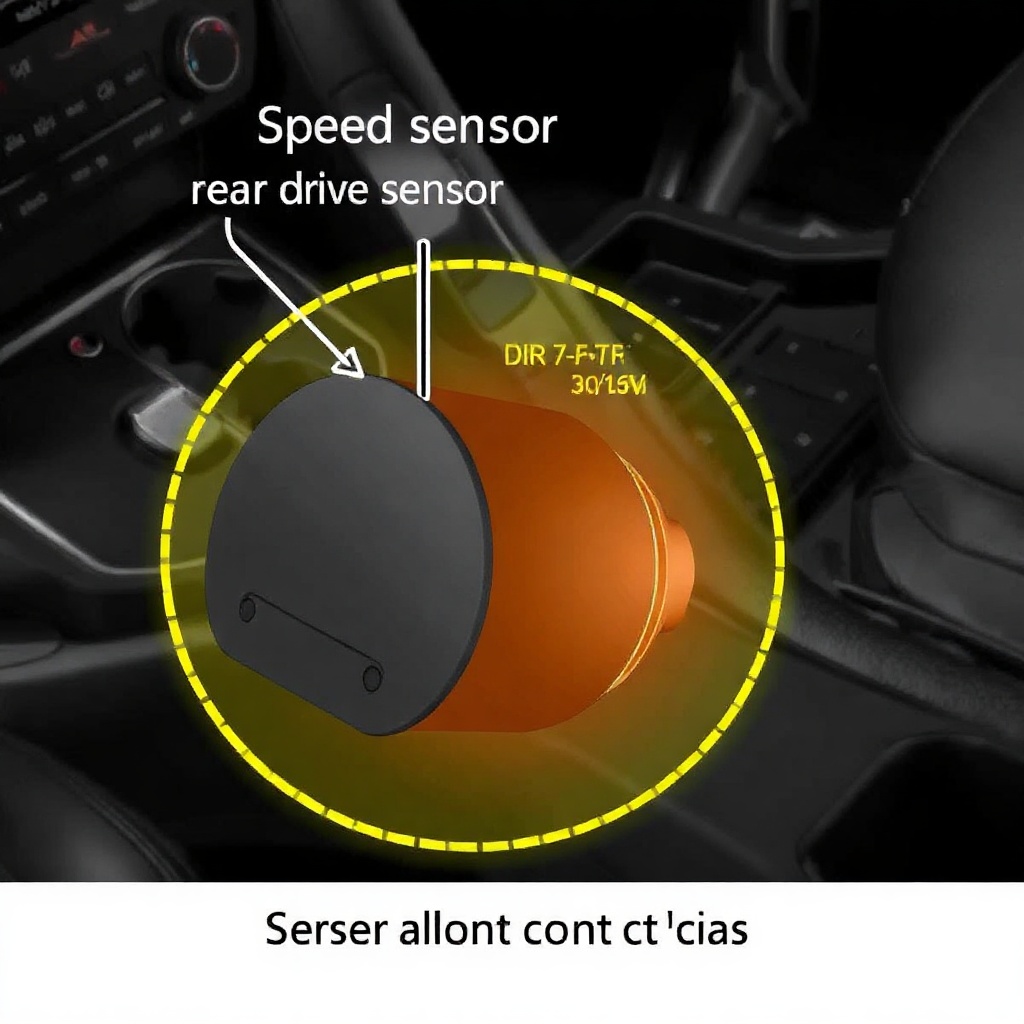
Wheel-speed sensors are akin to the sentinels of your vehicle’s braking system. They monitor the rotational speed of each wheel and relay this information to the Anti-lock Braking System (ABS) and Electronic Stability Control (ESC). Without these little gadgets keeping watch, your car would be at a higher risk of skidding or losing control during abrupt stops. But here’s the kicker: these sensors are only as good as their connectors. Corrosion can disrupt their function, leading to inaccurate readings and potentially hazardous situations.
Identifying the Signs of Corrosion
So, how do you know when corrosion has reared its ugly head? It’s not always as obvious as a bright orange patch of rust. Often, it starts with subtle signs such as intermittent ABS warning lights on your dashboard or unusual noises during braking. Sometimes, you might notice a drop in the overall performance of your braking system. The key here is not to dismiss these signs as mere quirks of your car. Instead, they should prompt a closer inspection of the sensor connectors.
The Inspection Process
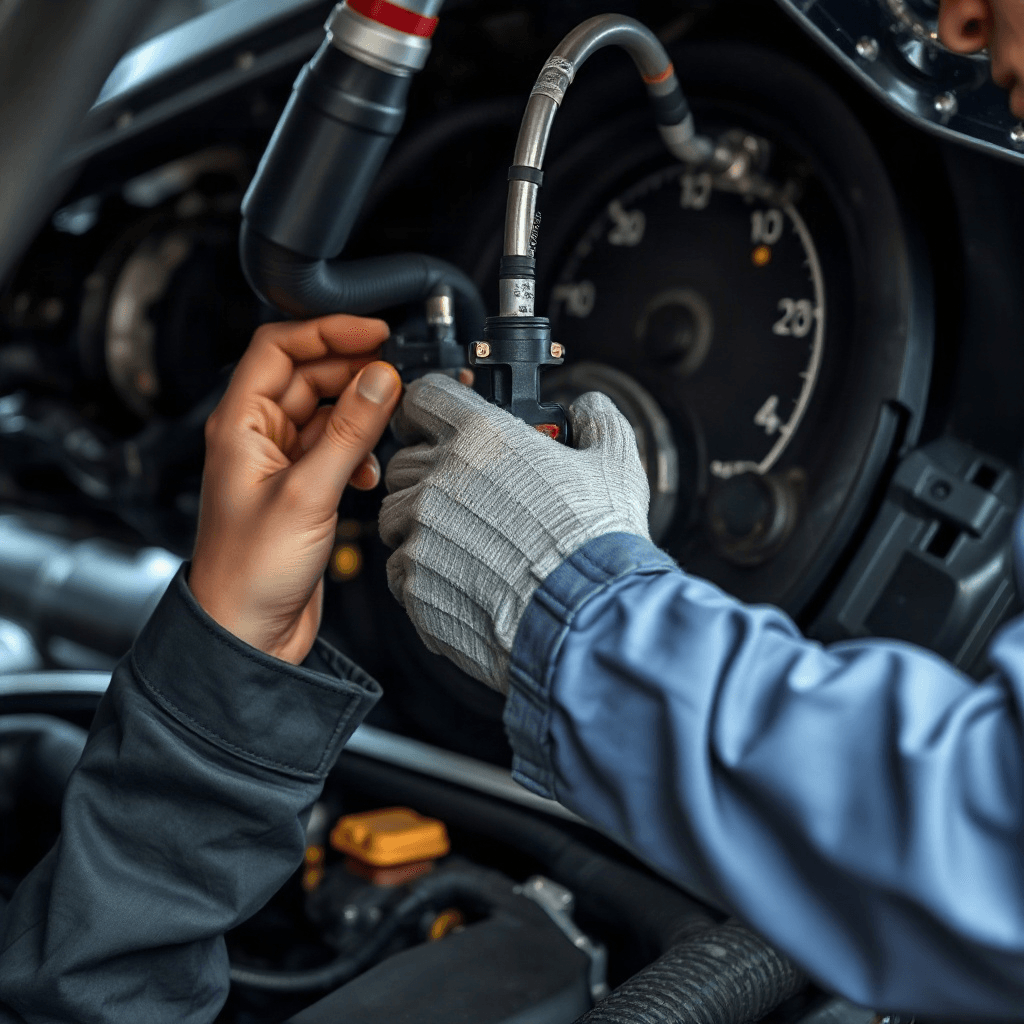
Inspection is where your detective skills come into play. Start by locating the wheel-speed sensors, usually found near the brake calipers. Carefully examine the connectors for any visible signs of corrosion, such as discoloration, rust, or a sticky residue. Don’t just rely on your eyes; your fingers can also detect irregularities by feeling for any roughness or damage. If you sense any hint of corrosion, it’s time to dive deeper.
Steps to Repair Corroded Connectors
Repairing corroded connectors is a task that demands both precision and patience. Begin by disconnecting the battery to avoid any electrical mishaps. Then, gently remove the connectors from the sensors. Use a suitable cleaning solution to remove any corrosion—something like a contact cleaner works wonders. Scrub gently with a small brush, ensuring you reach into all the nooks and crannies. After cleaning, apply a thin layer of dielectric grease to protect the connectors from future corrosion. Reconnect everything and test the system to ensure it’s functioning correctly.
Preventive Measures to Avoid Future Corrosion
Prevention, as they say, is better than cure. To avoid the hassle of dealing with corrosion in the future, consider taking some preventive steps. Regular inspections are a must; make it a part of your routine car maintenance. Also, keep your vehicle clean, especially during winter months when road salt can accelerate corrosion. Using protective sprays specifically designed for electrical components can also be a game-changer in maintaining the integrity of your wheel-speed sensor connectors.
The Broader Impact of Ignoring Corrosion
Ignoring connector corrosion doesn’t just affect your braking system. It can have broader implications on your vehicle’s overall safety and performance. Faulty readings from the wheel-speed sensors can lead to incorrect ABS and ESC responses, potentially putting you at risk during emergency maneuvers. Moreover, unchecked corrosion can spread to other components, leading to more costly repairs down the line. It’s a small issue that can snowball into a significant problem if left unattended.