Engine Dies When the Air Conditioner Turns On: What the Load Reveals
Understanding why an engine dies when the air conditioner is turned on requires a deep dive into the mechanics of vehicle operation and the unique demands placed on the engine by additional systems. As someone with extensive experience in automotive journalism, I am often confronted with questions about this peculiar phenomenon. At first glance, it may seem like a trivial issue, but in reality, it reveals much about engine load dynamics and the importance of regular vehicle maintenance. Let’s unpack the details and explore the intricacies of this problem.
The Role of Engine Load in Vehicle Performance
The engine load is a critical factor in determining how an engine performs under various conditions. When the air conditioner is turned on, it increases the load on the engine because it requires additional power to operate the compressor. This increased demand can cause an engine to struggle, especially if the vehicle is not well-maintained or if the engine is underpowered. Understanding engine load is essential for diagnosing why an engine might die when additional systems, like the air conditioner, are activated. By analyzing the engine’s power output and the demand placed on it, one can determine whether the engine is capable of handling the additional load or if there are underlying issues that need to be addressed.
Understanding Air Conditioner Mechanics
Air conditioning systems in vehicles are complex and demand significant power to function efficiently. The system works by compressing refrigerant and circulating it through the vehicle’s cooling system, which requires energy. This energy demand translates into additional load on the engine. When the air conditioner is activated, the engine must work harder to compensate for the power diverted to the air conditioning system. If the engine is unable to meet this demand, it might stall or die. Therefore, understanding the mechanics of the air conditioner and its impact on engine performance is vital for diagnosing problems related to engine stalling.
Identifying Common Causes of Engine Stalling
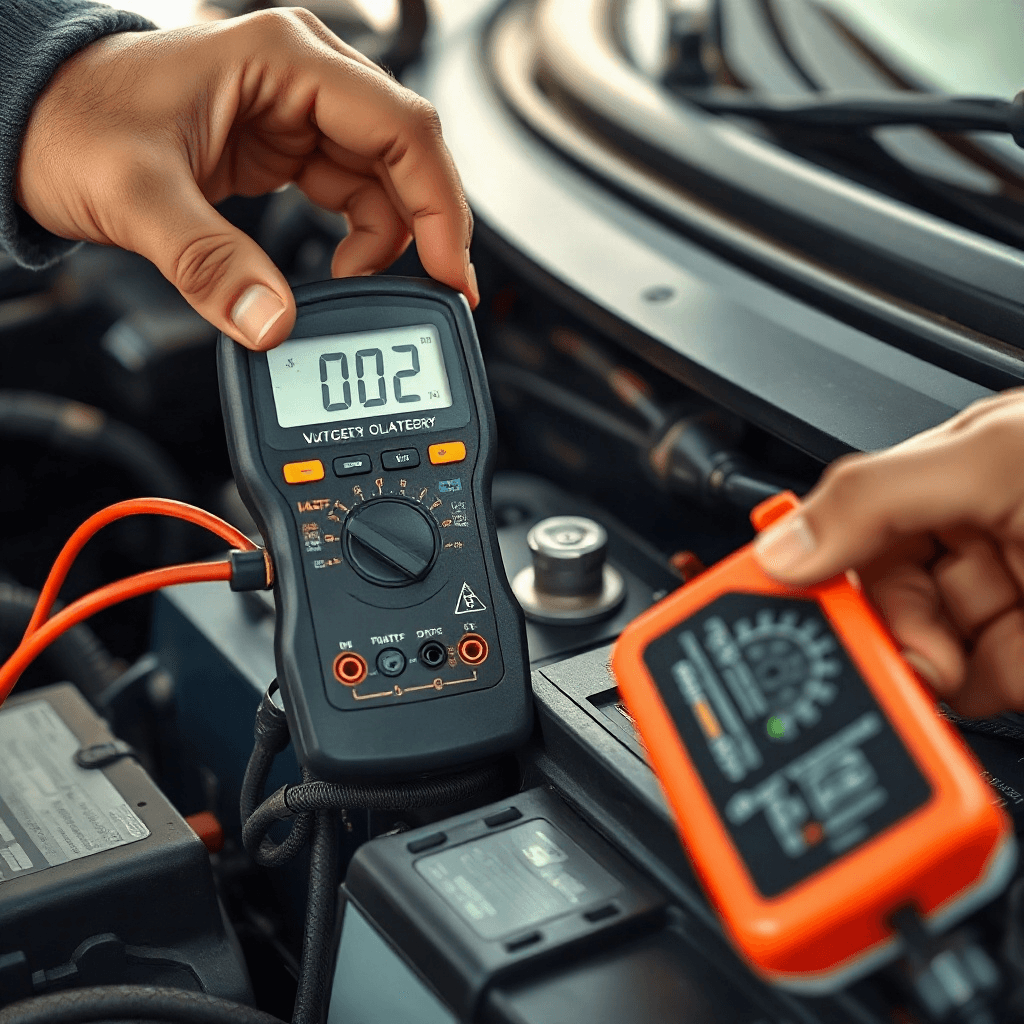
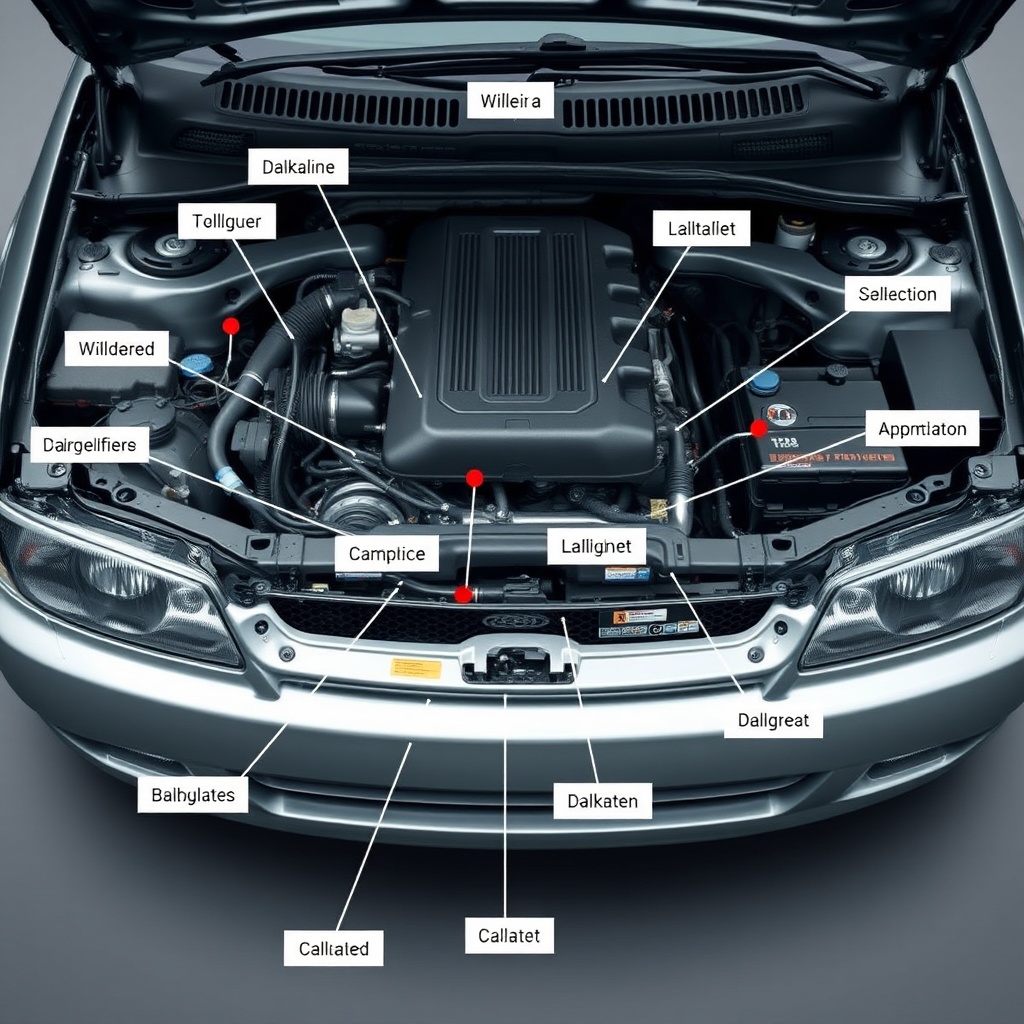
There are several reasons why an engine might stall when the air conditioner is turned on. These include inadequate engine power, faulty components such as the idle air control valve, or issues with the vehicle’s electrical system. Another common cause is a malfunctioning throttle position sensor, which can miscommunicate the necessary adjustments needed when the engine load changes. By identifying and addressing these common causes, one can prevent the engine from dying when the air conditioner is activated. Routine maintenance checks can often catch these issues before they lead to significant problems.
Evaluating the Impact of Regular Maintenance
Regular vehicle maintenance plays a pivotal role in preventing engine stalling. By keeping the engine and its components in optimal condition, the likelihood of the engine dying when additional systems are used is reduced. This includes regular oil changes, checking the condition of belts and hoses, and ensuring the air conditioning system is functioning correctly. Maintenance also involves inspecting the engine control unit (ECU) and ensuring that all sensors are working properly. Such proactive measures are key to maintaining vehicle performance and avoiding unexpected breakdowns.
Technological Solutions to Engine Load Management
Advancements in automotive technology have introduced solutions that help manage engine load more effectively. Modern vehicles often come equipped with sophisticated engine management systems that automatically adjust the engine’s performance based on the load requirements. These systems can compensate for the additional power needed when the air conditioner is turned on, preventing the engine from stalling. Understanding how these technological solutions work can provide insights into optimizing engine performance and ensuring that the vehicle operates smoothly even under increased load conditions.
The Importance of Expert Diagnosis
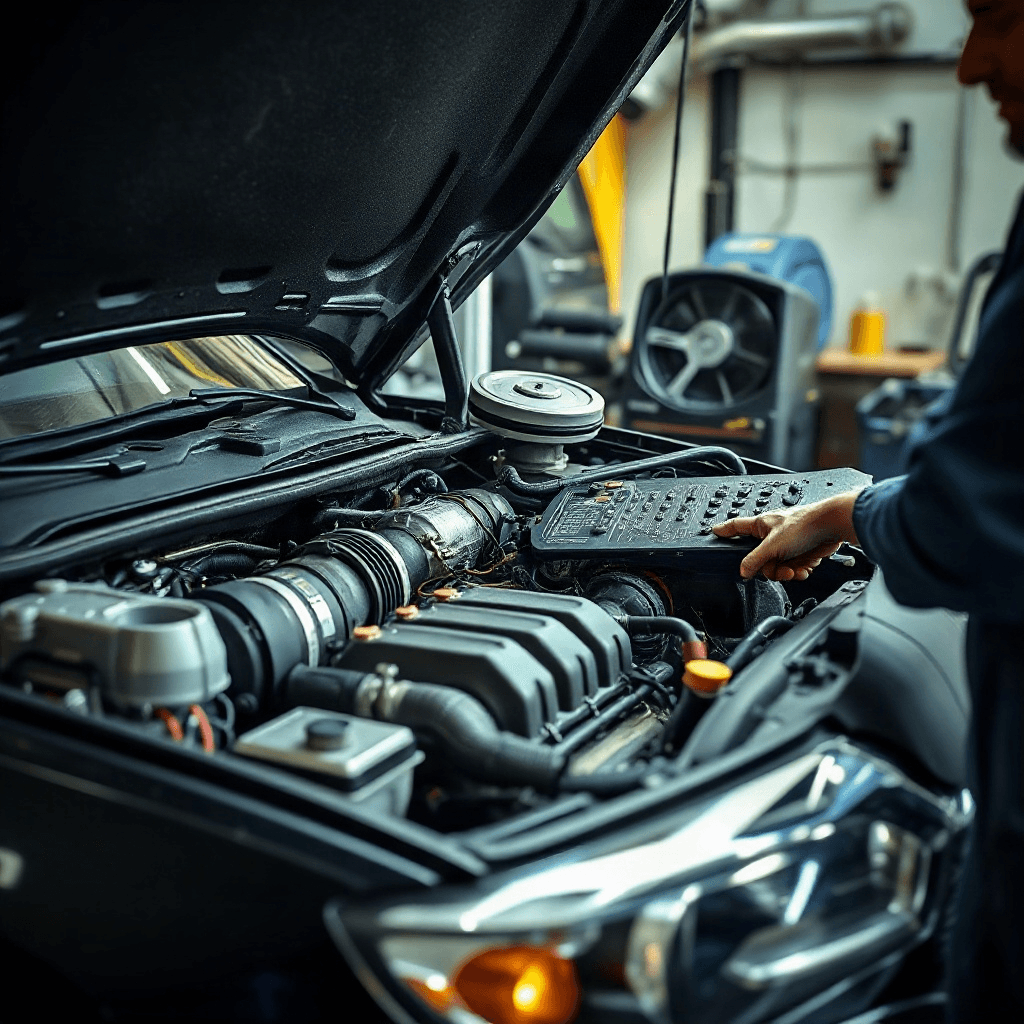
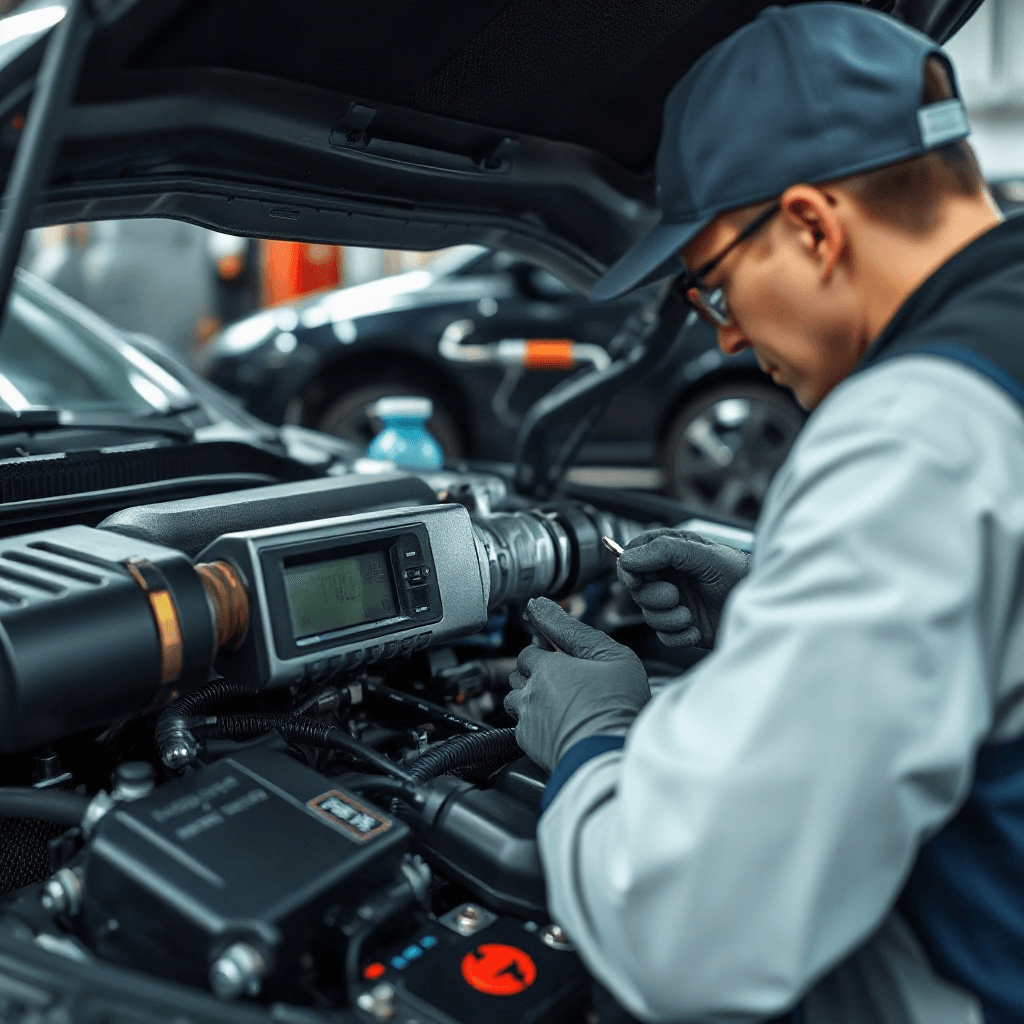
When faced with an engine that dies when the air conditioner is turned on, seeking expert diagnosis is crucial. Professional mechanics have the tools and knowledge to accurately diagnose and fix the issue. They can conduct comprehensive checks on the engine, air conditioning system, and related components to identify any faults. Their expertise ensures that the root cause of the problem is addressed, preventing further issues and ensuring the longevity of the vehicle. Trusting a qualified professional can save time, money, and frustration in the long run.
For more insights into maintaining your vehicle’s performance, consider exploring related topics such as [vehicle maintenance tips].